
Worn Garage Door Springs
Garage door springs eventually reach the end of their useful cycle life after years of repeated opening and closing.
Local garage door service · Tucson, AZ
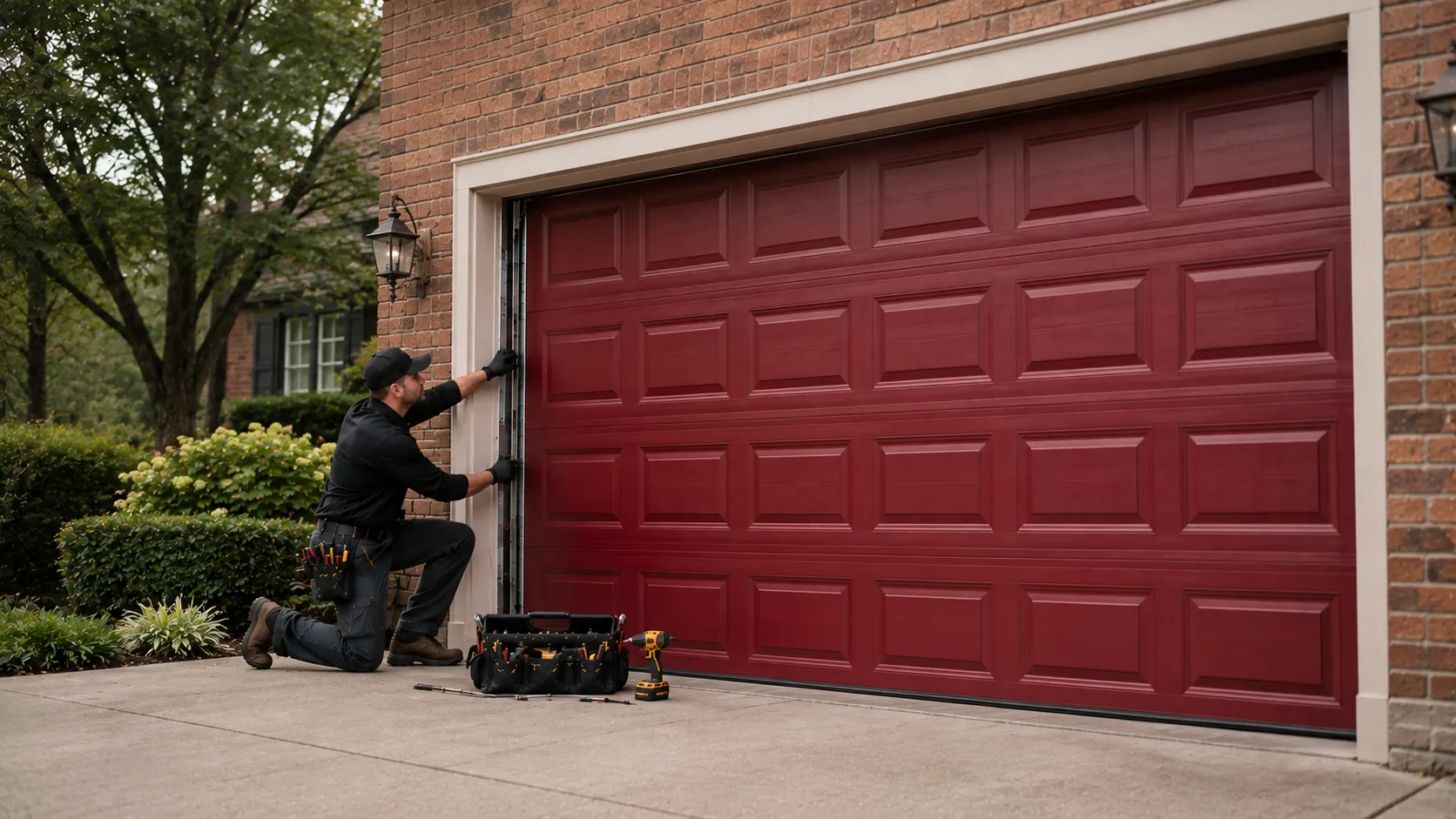
Garage door repair and installation for Tucson homes built mostly between 1980 and 2007, covering cable repair, emergency service, maintenance, off-track repair, panel replacement, and the systems common across the area's 1980s- and 90s-heavy housing stock.
Garage door services
From cable repair and emergency service to installation, maintenance, off-track repair, panel replacement, and general garage door service, the lineup is built around the systems common across Tucson's 1980s- and 90s-heavy housing stock.
Common Tucson garage door problems
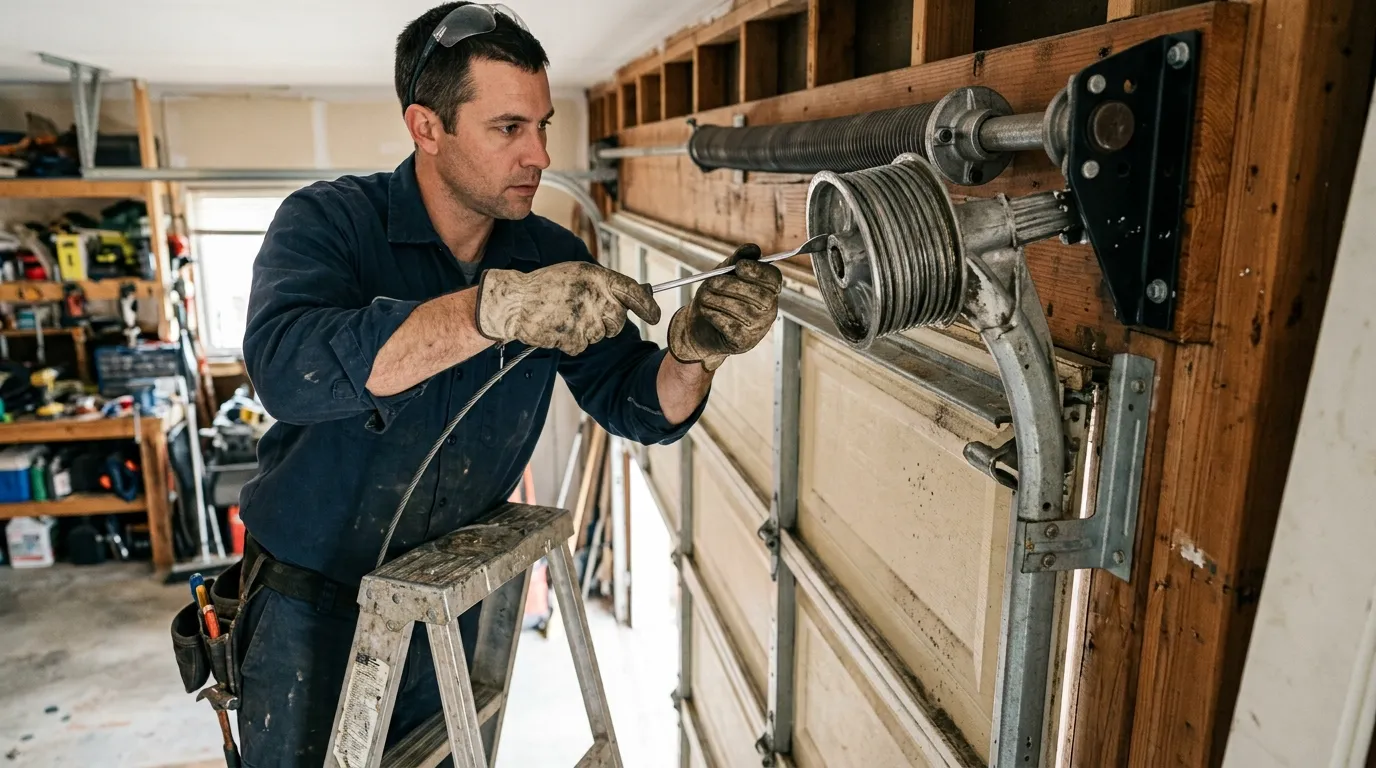
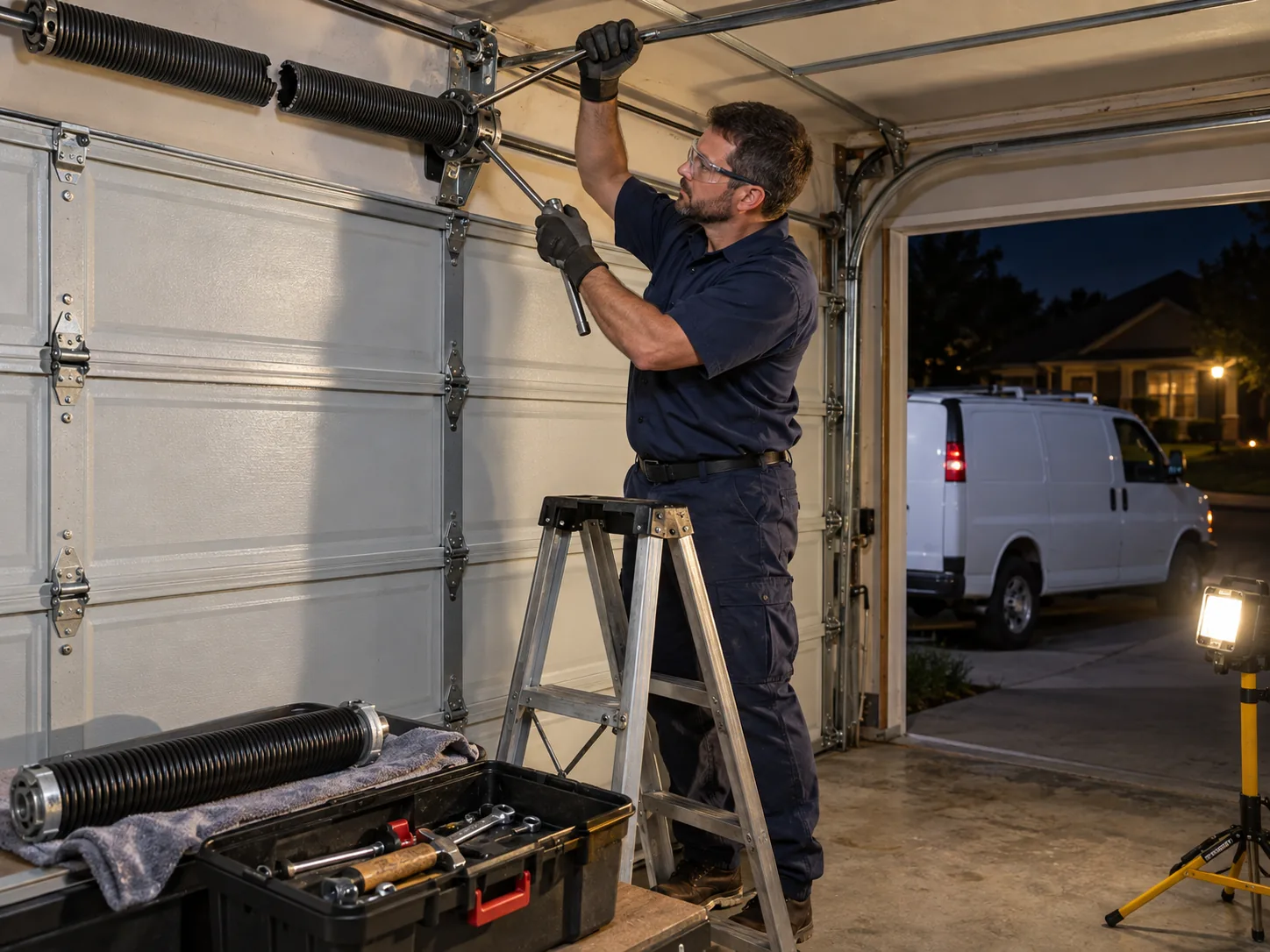
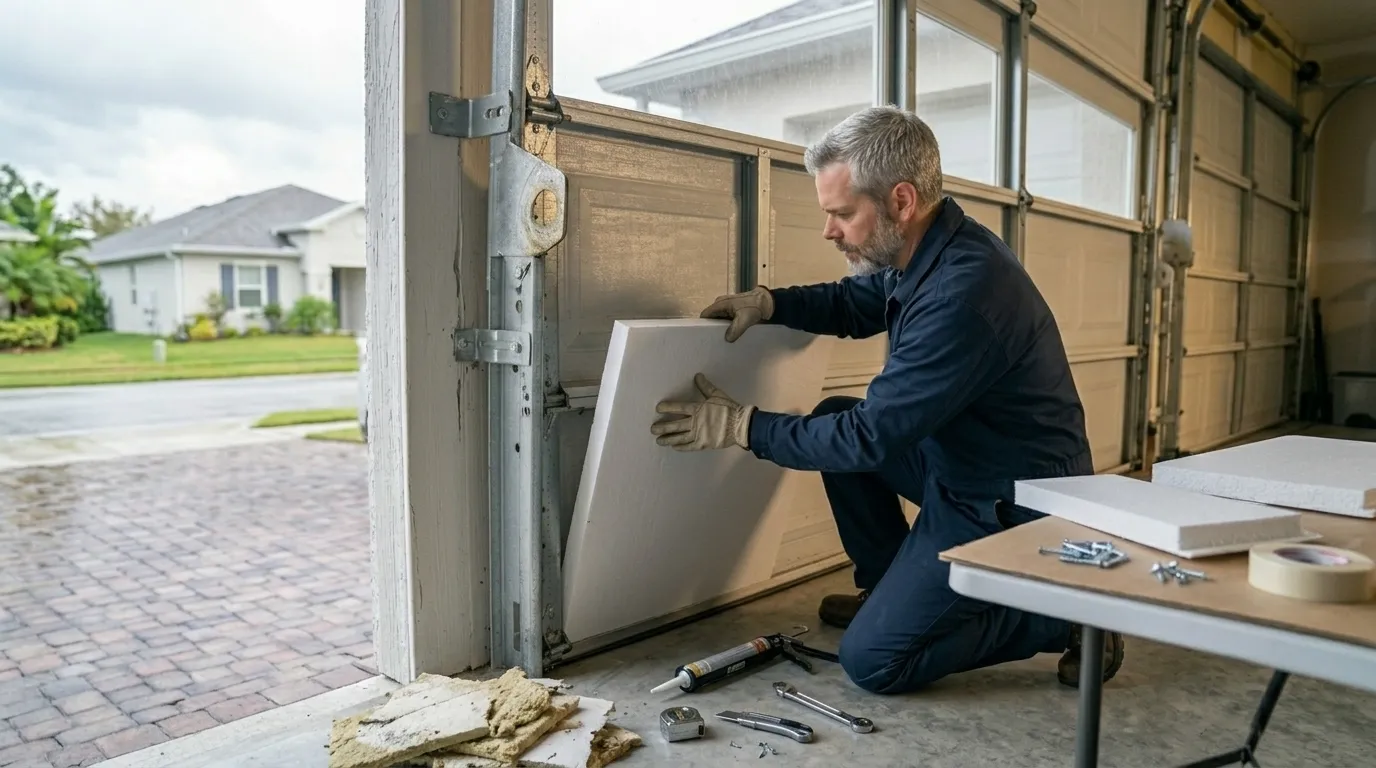
Worn springs, aging opener components, roller wear, cable problems, off-track doors, and panel damage make up much of the work across Tucson's housing stock. Torsion spring wear is a recurring need on doors that have accumulated years of regular cycling; older chain-drive openers develop worn gears, capacitor problems, logic-board issues, or sensor faults as components age; rollers and tracks develop rough travel or alignment problems while cables fray or slip after years of lifting; and panel cracking or hinge-point damage appears on older doors after long-term use — with Tucson's severe heat treated as one contributor to accelerated aging rather than the cause of every mechanical failure.
Garage door springs eventually reach the end of their useful cycle life after years of repeated opening and closing.
Older opener gears, capacitors, boards, sensors, controls, and drive components can eventually develop operating problems.
Rollers can become noisy, rough, cracked, damaged, or resistant after years of regular track travel.
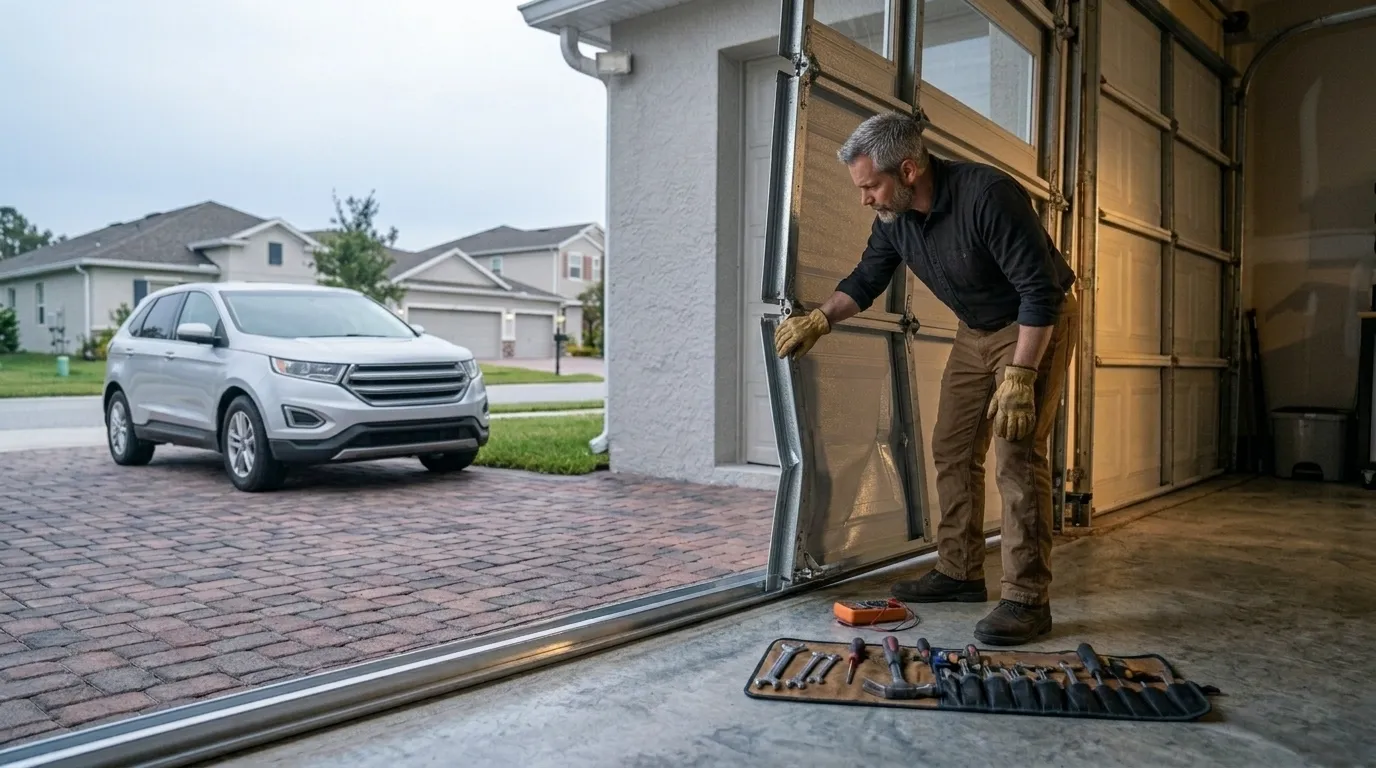
Cable wear, roller problems, impact, or alignment issues can affect how smoothly and safely a garage door travels.
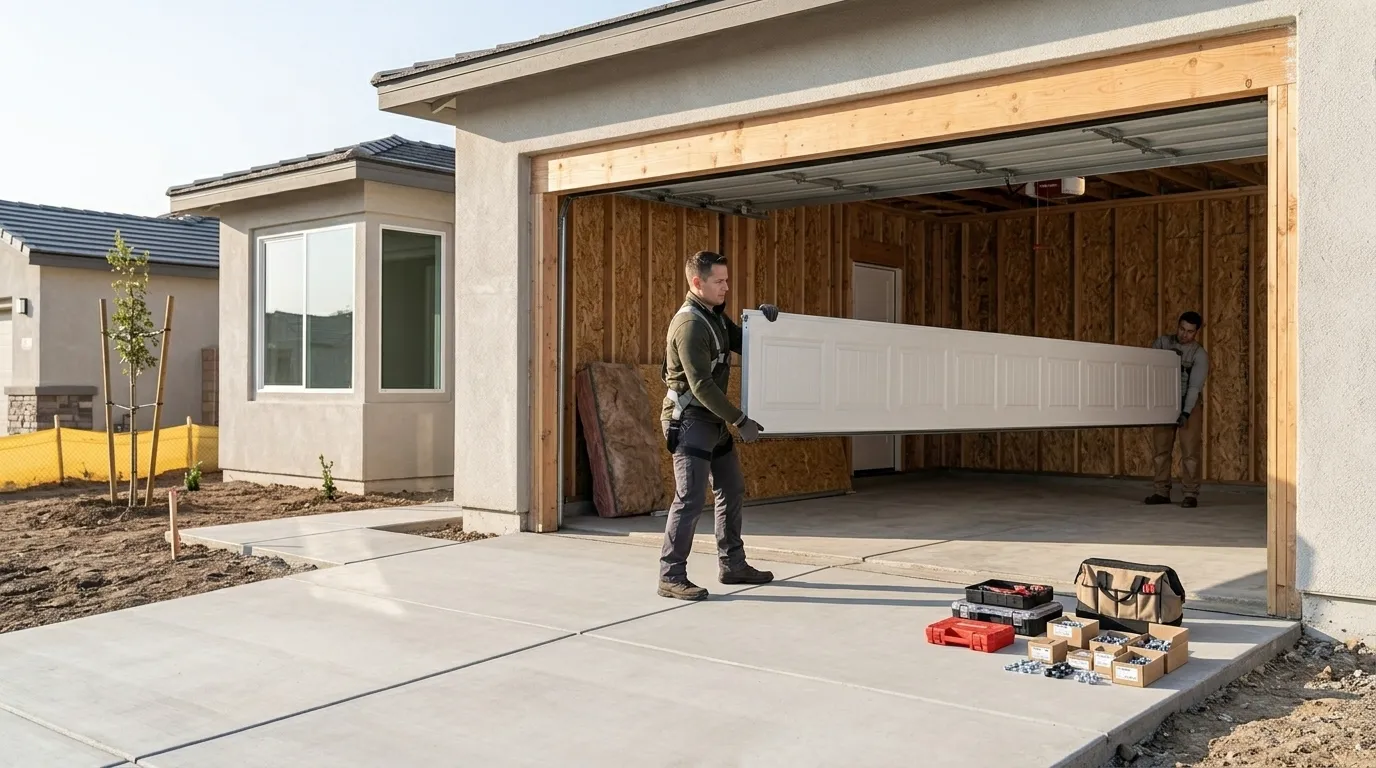
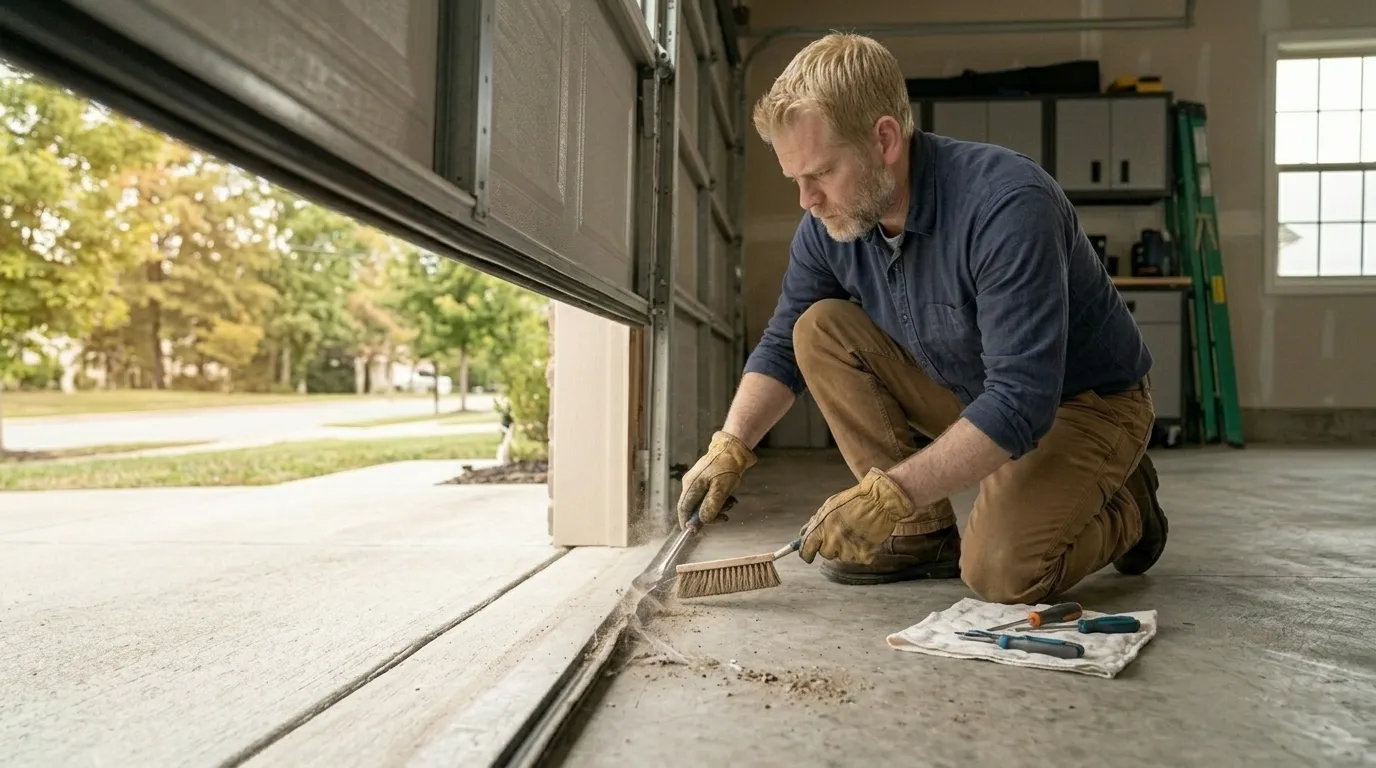
Older panels can develop cracking, warping, impact damage, or hinge-point wear that affects reliable operation.
What to expect
We start with what the door is actually doing, use the symptoms to point toward the likely cause, inspect the whole system, and set a clear parts expectation when older components need sourcing.
Tell us whether the door won't open, opens crooked, made a loud bang, or the opener runs without moving the door. That symptom is the starting point.
The symptoms can help point toward springs, cables, rollers, tracks, opener electronics, sensors, or another operating component.
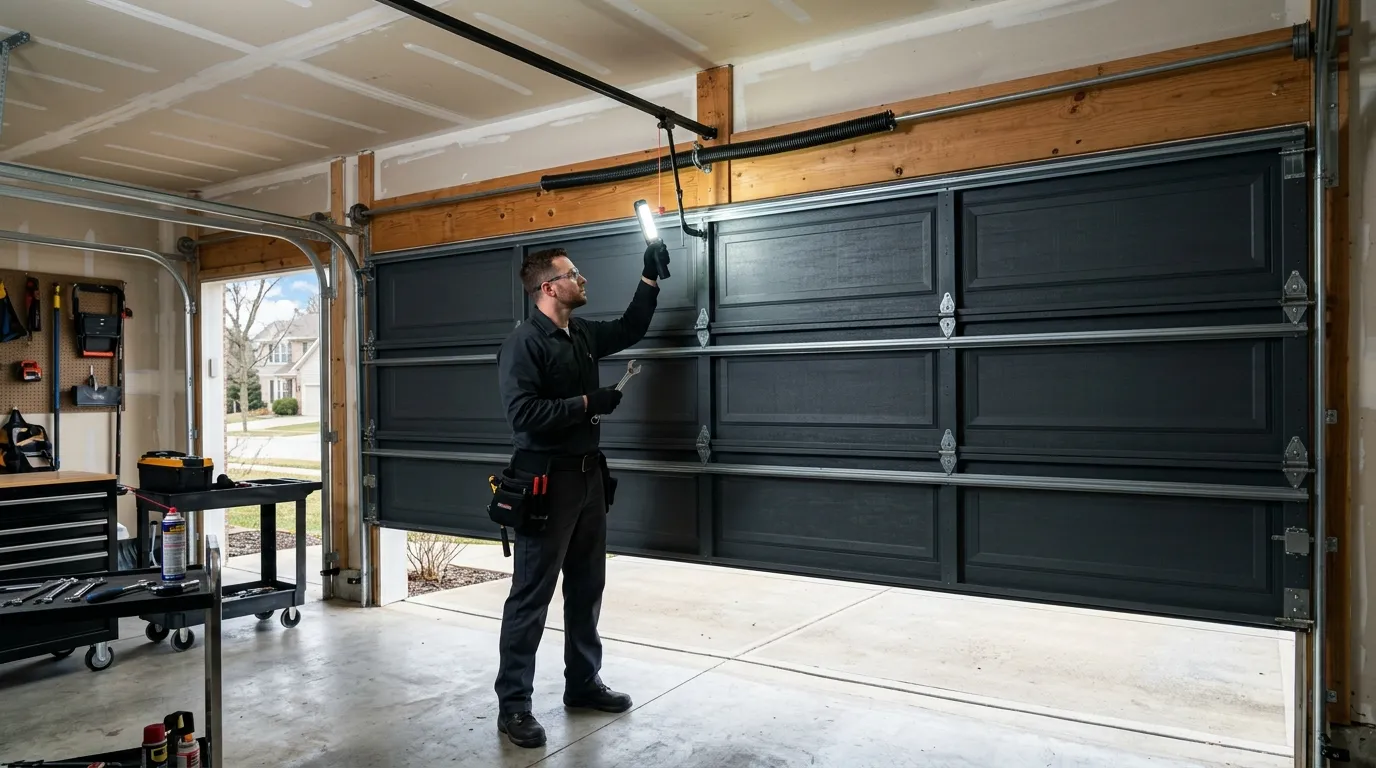
We check springs, cables, rollers, track alignment, opener force settings, and related hardware before making the repair.
Straightforward repairs may be completed during the visit, while discontinued opener boards or uncommon panel sizes can require additional sourcing.
Some Older Parts May Be Discontinued
Certain older opener logic boards and panel sizes may no longer be readily available, which can make replacement more practical than extended parts hunting.
Local housing matters
The broader source service area is dominated by homes built between 1980 and 2007, with a median build year around 1986 and much of the housing concentrated in the 1980s and 90s.
That creates a large number of garages with torsion systems, steel or aluminum sectional doors, chain-drive openers, rollers, cables, tracks, panels, and electronics from several generations.
The source references approximately 109,537 households across the broader area, including about 65,148 owner-occupied houses.
Many garages may still retain original springs, panels, tracks, or first-generation replacement openers from the home's original build period.
The build year provides useful context, but the correct repair depends on the hardware actually installed today.
1980s–90s garage door systems
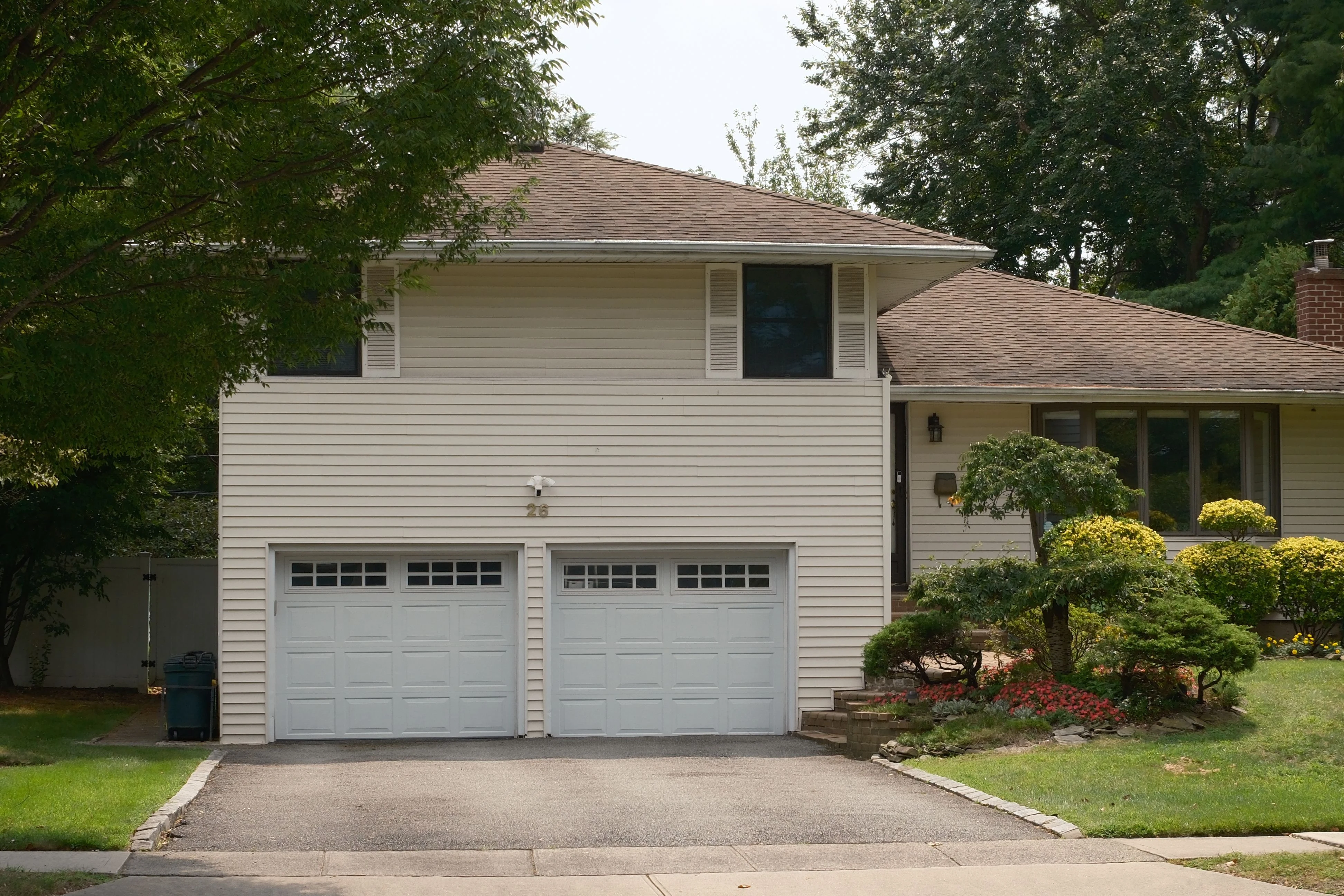
Homes concentrated around the 1980s and 90s can combine aging torsion hardware, original tracks, chain-drive openers, older panels, and several generations of service work.
Spring size and configuration should be matched directly to the actual weight and construction of the installed door.
Openers from this era can develop gear, capacitor, logic-board, control, or sensor problems as components age.
A garage may have a newer opener or panel while retaining older springs, tracks, cables, rollers, or brackets.
Some older panel sections can be difficult to match exactly when a manufacturer or style is no longer in production.
Severe-heat garage door wear
Tucson sits in a severe-heat climate band, so long-term heat exposure contributes to faster aging of lubricants, rollers, opener electronics, seals, and already-worn components rather than heat alone causing every failure.
Years of regular cycling in a hot garage can make existing spring fatigue more noticeable as components approach the end of their useful life.
Plastic, nylon, rubber, and weather-seal components can harden, dry, or deteriorate over long periods of heat exposure.
Older opener electronics mounted in hot garage environments can develop age-related reliability problems over time.
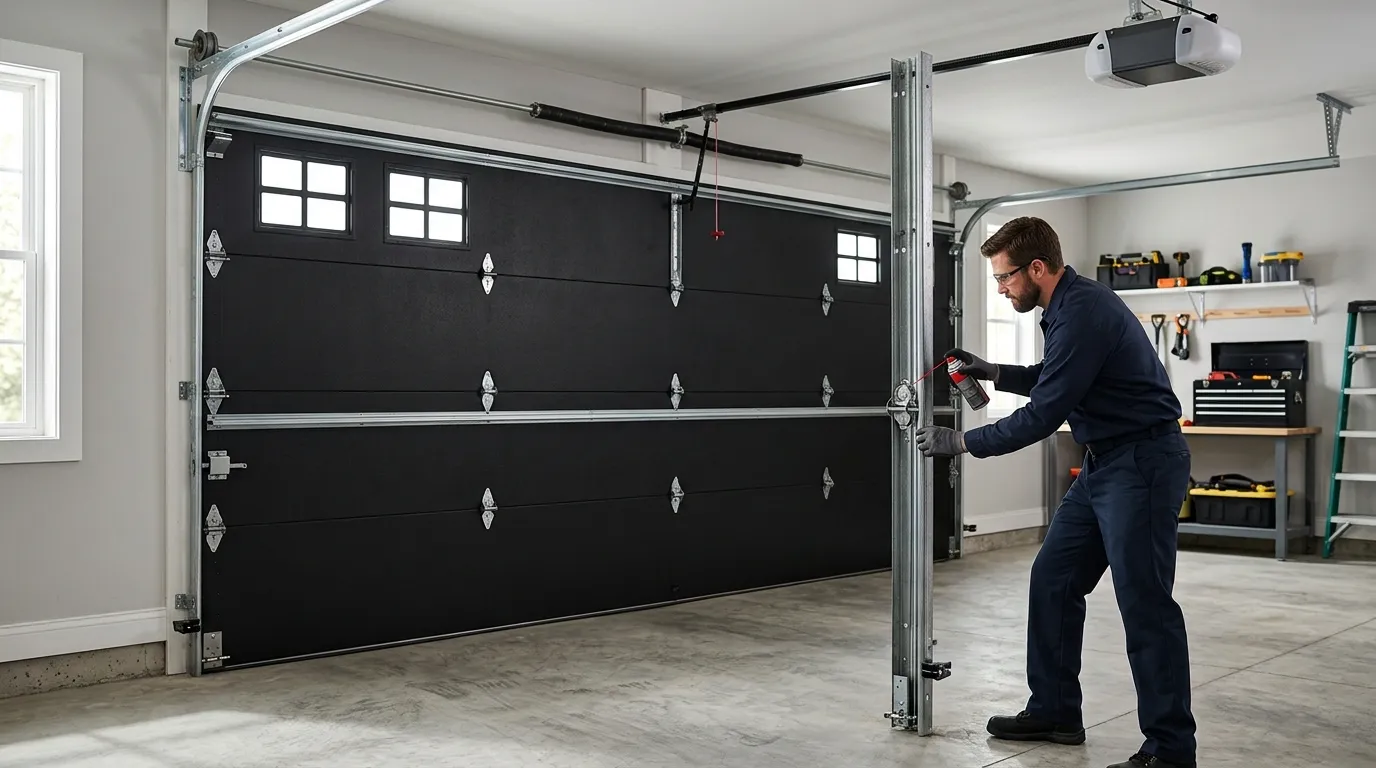
Routine lubrication and proper alignment remain important where moving components experience long periods of high garage temperatures.
Built around Tucson garage doors
We know the recurring spring, opener, panel, roller, cable, and track configurations found across Tucson's dominant 1980s- and 90s-era housing stock.
The spring, rollers, cables, tracks, opener, and panels should be evaluated together before deciding which component actually needs work.
Older opener problems can sometimes come from gears, capacitors, boards, or sensors rather than the motor itself.
If the surrounding door remains serviceable and one component is the actual failure, complete replacement isn't the default.
If the door needs full replacement, structural track work, or another larger repair, we explain why instead of pushing a temporary patch.
Clear repair guidance
There isn't one flat repair price, because cable repair, emergency service, maintenance, off-track repair, panel replacement, installation, and other jobs involve different parts and labor.
Spring type and size, opener condition, panel damage, track alignment, roller wear, cable condition, and parts availability can all change the repair scope.
Median household income across the broader service area runs around $90,758, but the price still comes from the door in front of us.
We inspect the actual system and give a real repair number after seeing the door rather than publishing an unsupported flat price.
Discontinued opener electronics or uncommon panel sizes can also add cost or sourcing time compared with a repair using common current parts.
Repair or replace?
Many Tucson garage doors remain practical repair candidates when the structure is sound. Replacement becomes more sensible when obsolete parts, structural track problems, damaged panels, or several aging components make another repair poor value.
A targeted repair can make sense when the panels, tracks, opener, springs, and surrounding structure remain serviceable.
An older sectional door can remain worth keeping when the panels, tracks, and supporting hardware are still structurally sound.
Replacement can become more practical when an older opener needs a control board or other component that is no longer reasonably available.
If panels or tracks can no longer hold reliable alignment, broader replacement can offer better long-term value than repeated repairs.
Service areas
Questions
Heat is the main driver. Severe summer temperatures dry out spring lubricant faster and add more expansion-contraction stress per cycle than a cooler climate would. A torsion spring rated for a certain number of cycles elsewhere often falls short here, especially if it's original to a house built in the 1980s or 90s.
It's common. Most homes across this service area were built between 1980 and 2007, median around 1986, and a lot of original chain-drive openers are still running. If yours is original, worn gears or a heat-damaged capacitor are the usual culprits when it starts acting up.
For common parts, yes. For some discontinued logic boards or older panel sizes, we may need to special-order, and we'll tell you that before starting work rather than stringing out the visit. Sometimes replacing the section or the opener outright makes more sense than hunting down a matching part.
Our coverage runs from close-in areas like Century Park and Los Reales out to Summit, Casas Adobes, Vail, and Sahuarita, roughly 15 to 16 miles out at the far edges, plus the areas in between like Tanque Verde, Flowing Wells, and Drexel Heights.
Ready when you are
Tell us what the door is doing and we'll help you figure out whether you're dealing with a cable, panel, off-track door, emergency problem, maintenance issue, installation need, or another aging component in the system.