Garage Door Panel Replacement in Tucson in Tucson

Tucson, AZ

Garage Door Panel Replacement in Tucson

Cracked, dented, or rusted panels are common on Tucson's 1980s-2007 tract homes. See why panels fail here, and what a real panel replacement job involves.

Serving Tucson, AZBackground-checked techsHonest, upfront pricingFast local response
1980–2007
Typical build years of local homes
1986
Median year homes were built
1 visit
Most repairs finished same visit
11
Named areas in our coverage

Local causes

What Causes It Around Here

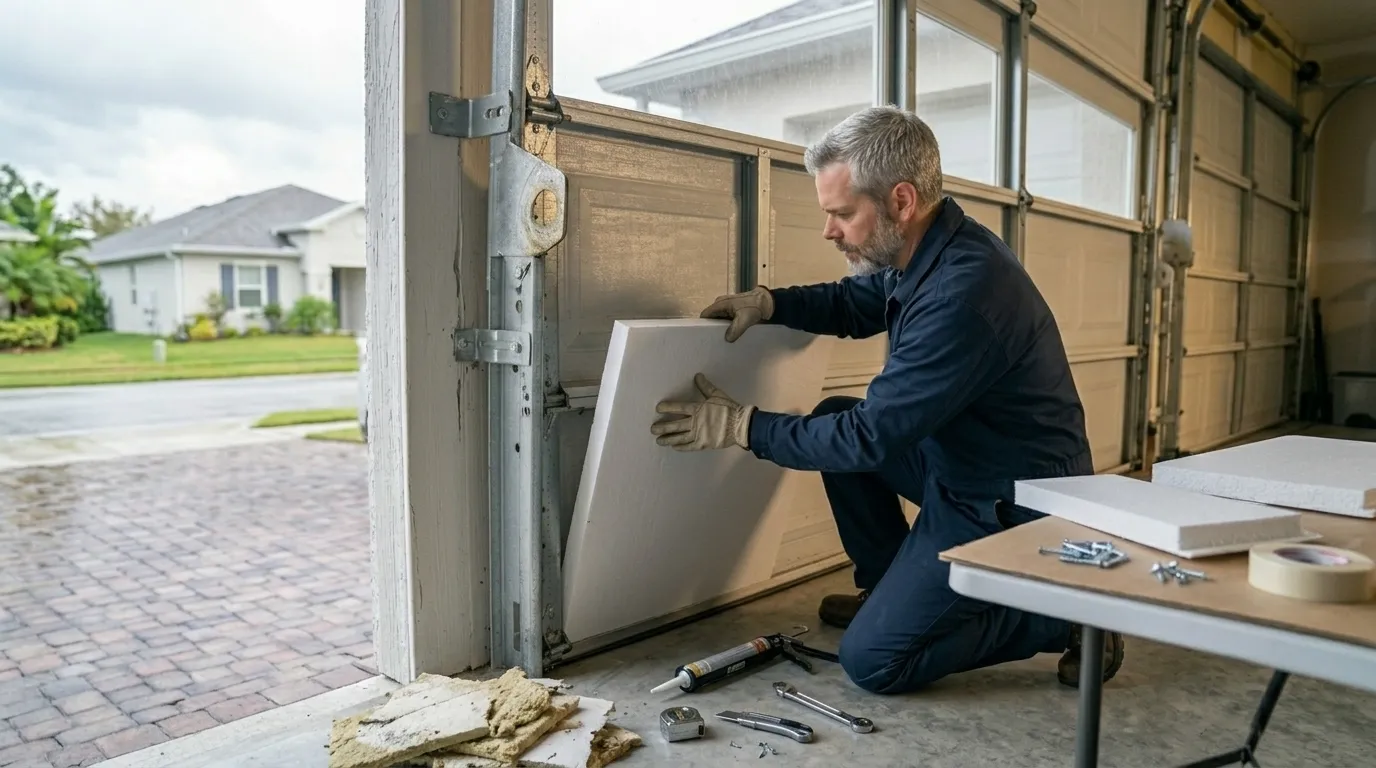
Most garage doors around Tucson went up on homes built between 1980 and 2007, with the median build year sitting at 1986. That stretch of construction covers the bulk of the 11 named areas we work across, and it means a lot of steel and aluminum sections have been sitting in the same carriage house openings for three or four decades now. Panels don't fail because they're old on paper - they fail because Tucson's climate is classified as severe heat, and that heat cycles the metal every single day. A steel skin expands in the afternoon sun and contracts overnight, and that constant flex works the foam-to-steel bond loose, cracks the paint, and eventually splits the panel seam. Add in UV breakdown on anything facing west or south, and you get chalky, brittle panels that dent instead of flexing back. Rust shows up too, usually starting at the bottom panel where sprinkler overspray or monsoon runoff sits against the steel edge longer than anywhere else on the door. None of this is a manufacturing defect. It's what happens to a factory-finish panel that's spent 30-plus summers in this heat band, and it's why panel failure here tracks the housing stock's age far more than it tracks brand or price point.

What Causes It Around Here

DIY or pro

Doing It Yourself

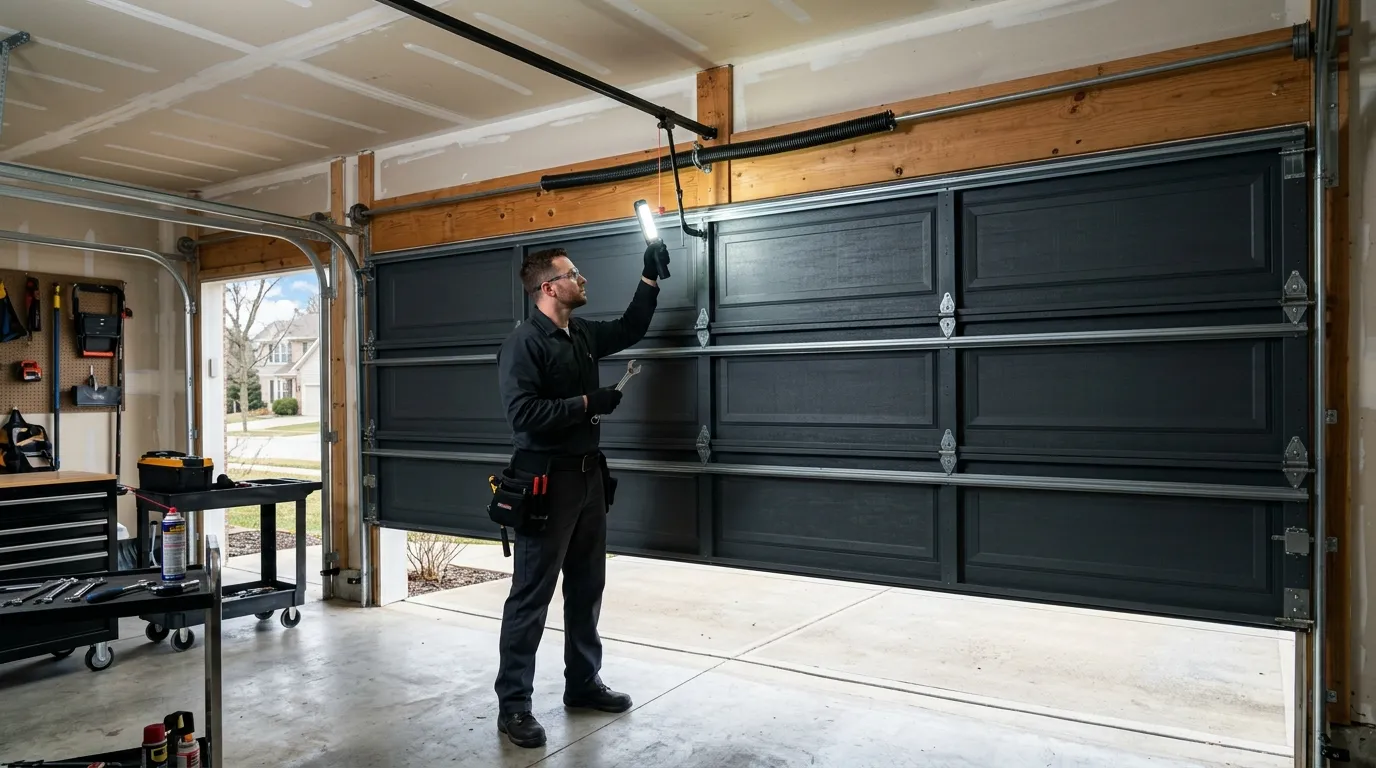
A single dented panel on a torsion-spring door looks like a bolt-off, bolt-on job, and sometimes it is. If the door is a common size and the panel is still made, ordering the exact match and swapping the hinges over a weekend is realistic for someone comfortable with basic tools.

Embossment pattern mismatch

Where it goes wrong is matching. Doors built in the 1980s and 90s used embossment patterns and panel heights that later manufacturers changed, so a panel that's the right width can still sit proud, ripple the seam, or throw the whole door out of square once it's under spring tension.

Panel verification principle

We won't sell you a panel we can't confirm matches your door's existing sections, and we'll say so up front rather than have you install something that doesn't sit flush. The other honest limit: if your door is old enough that the panel profile is discontinued, a single-section swap isn't worth chasing.

Custom versus replacement

At that point full door replacement usually costs less than a custom-fabricated match, and we'll tell you that instead of billing for a search that won't end well. DIY makes sense on common, in-production panels. It doesn't make sense once you're hunting for a profile nobody's made in twenty years.

Warning signs

How It Shows Up

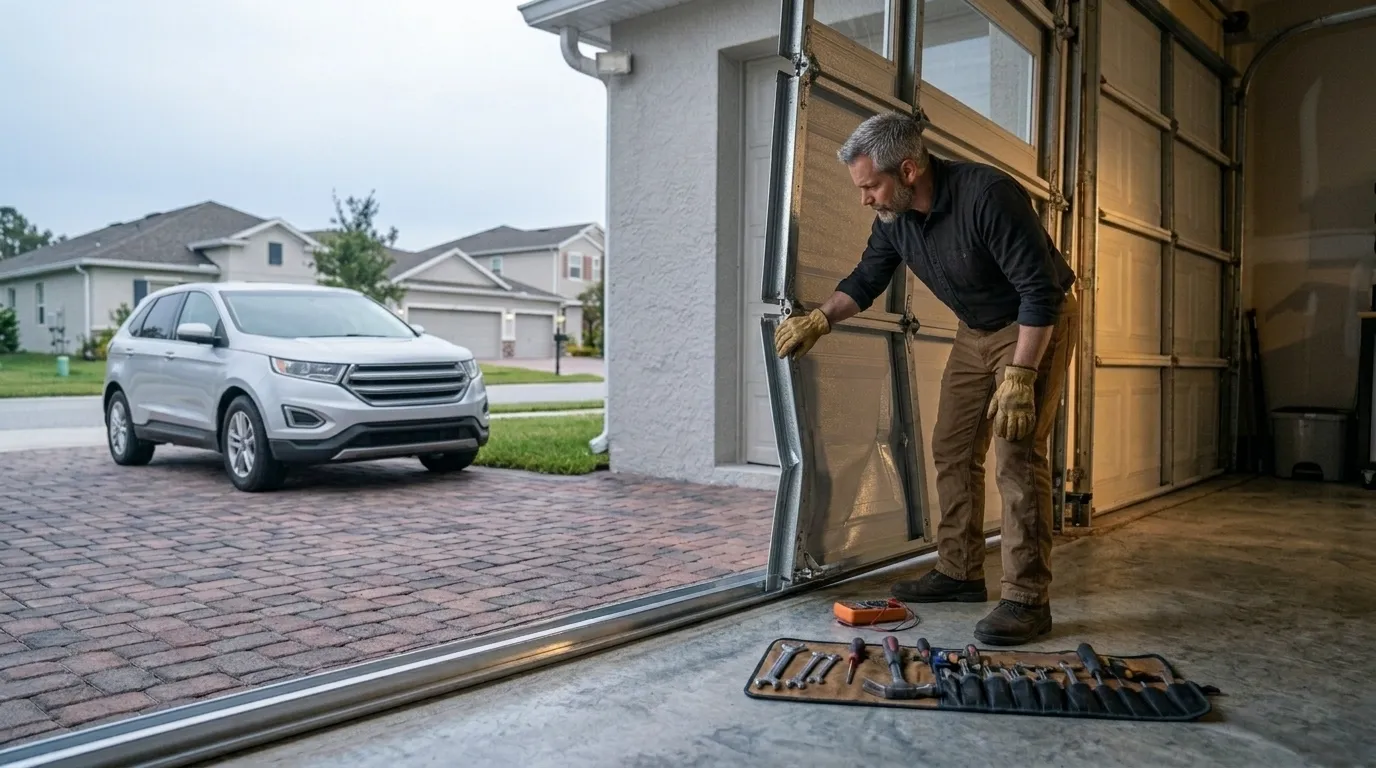
The most common call starts with a visible dent - a car mirror clip, a bike, a trash can lid caught by wind - on one section, usually the bottom or second-from-bottom panel where daily contact happens.

Bottom rust initiation

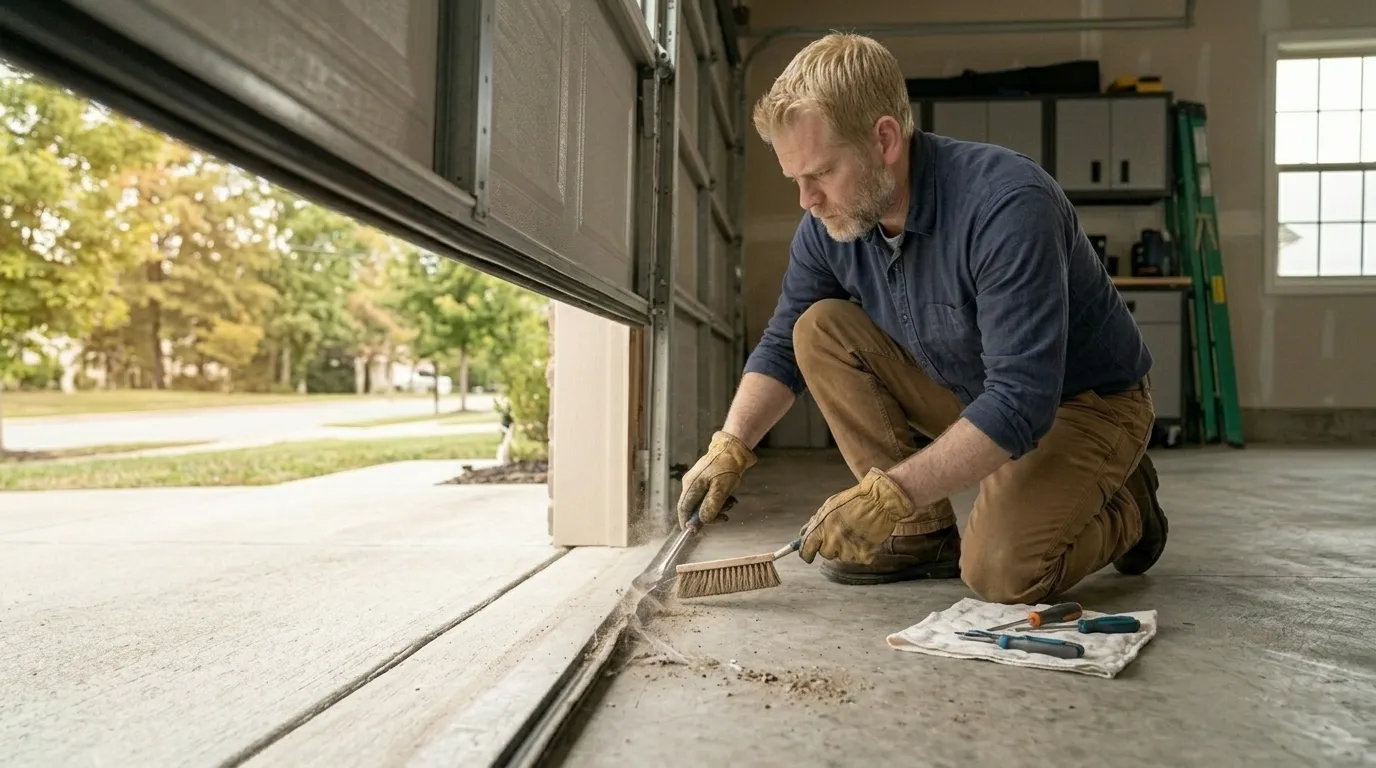
Rust shows up as bubbling paint along the bottom edge first, since that panel sits closest to irrigation overspray and monsoon runoff. Heat damage looks different: chalky, faded color on the sun-facing side of the door, foam backing that's separated enough that the panel sounds hollow when you knock on it, or a seam that's started to gap at the hinge line.

Heat damage progression

Sometimes it's not damage at all but mismatch - a homeowner who bought a house with a door that already had one replaced panel from a prior owner, in a slightly different shade or texture, and wants the rest to match instead of living with the patchwork look.

Mixed-era panels

Across the owner-occupied houses in this service area, most of that stock dates to the 1980s and 90s, so this mismatch call is common: the original panel run is long out of production, and getting a full-door color and texture match takes priority over saving the old sections.

Timing

How Long It Takes

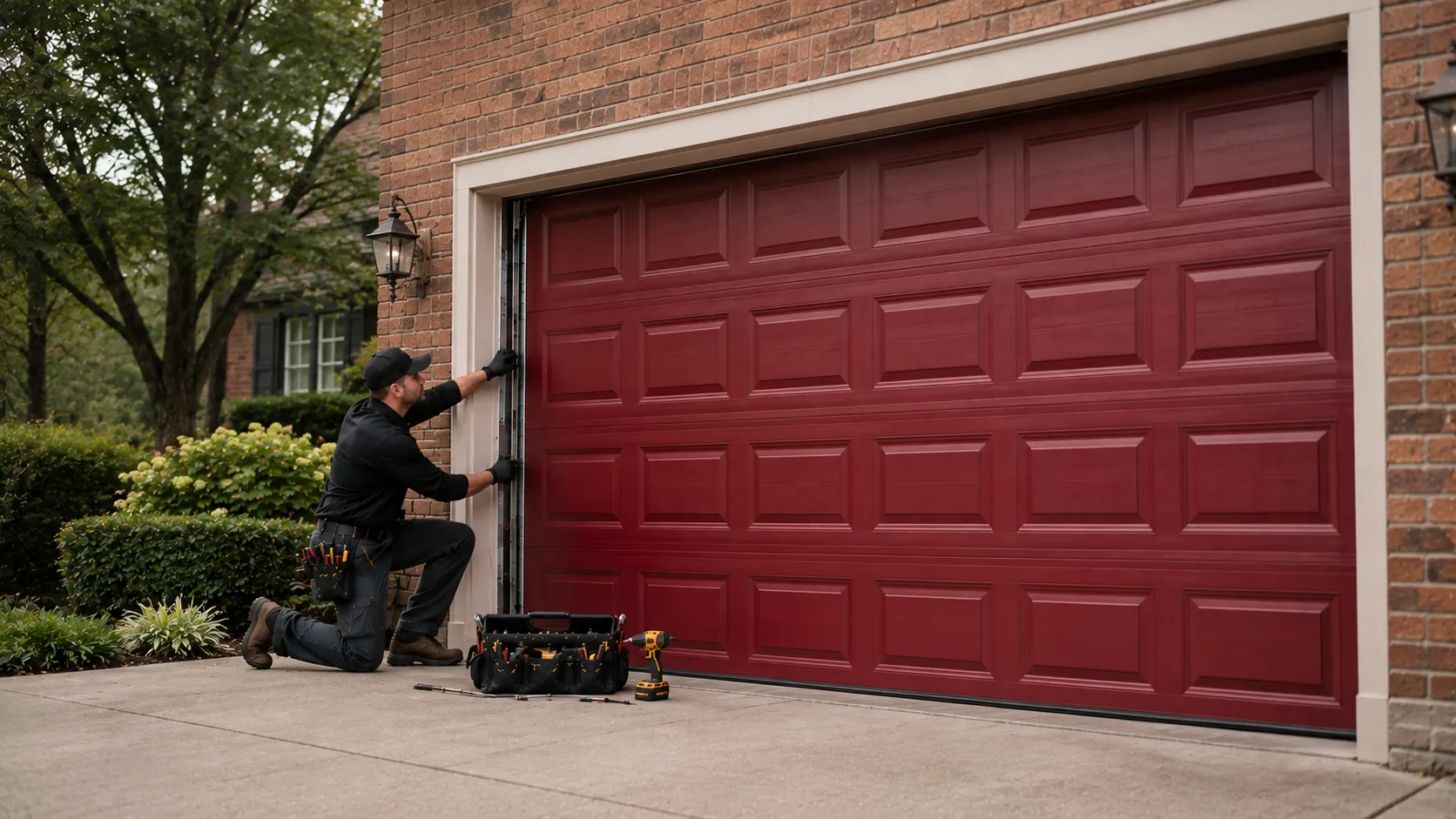
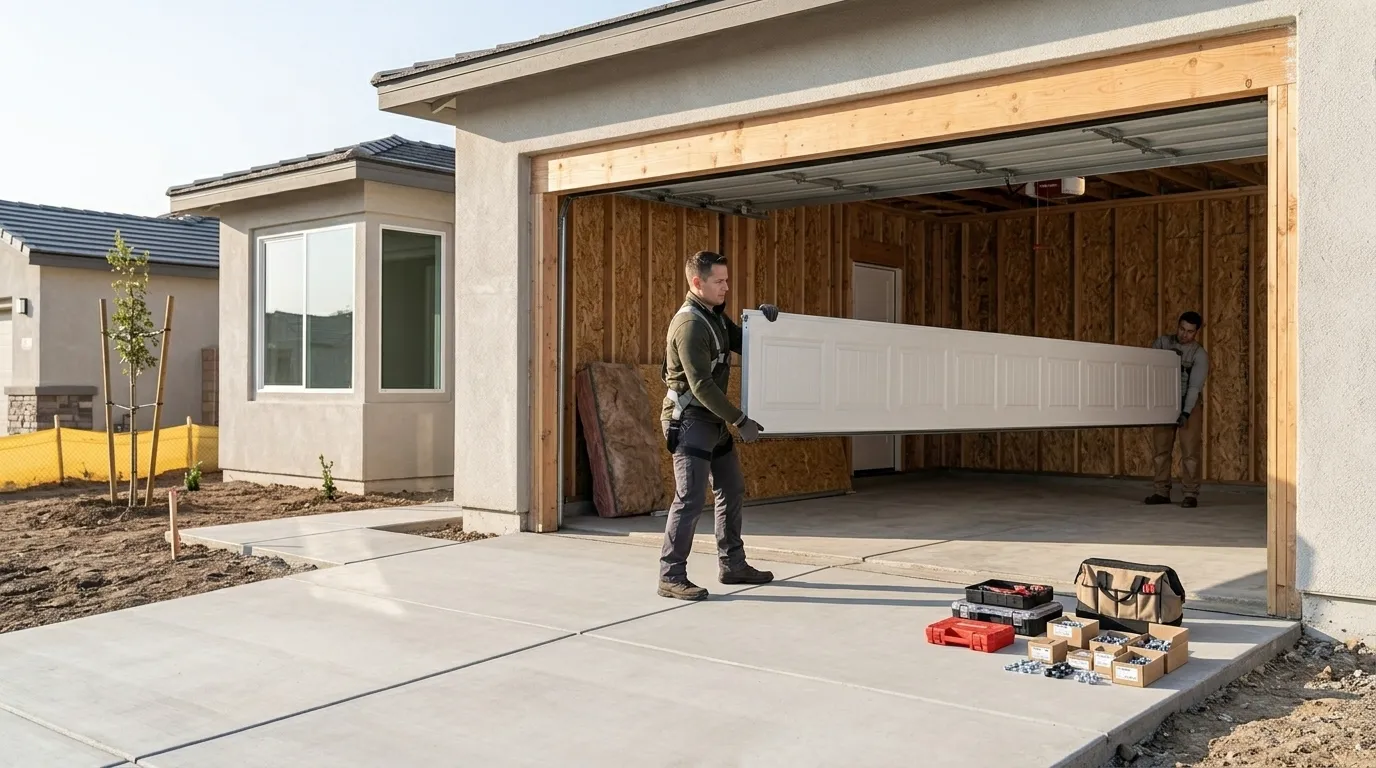
A single panel swap on a common, currently-produced door style is a same-visit job once the correct panel is on the truck - remove the damaged section, transfer hardware, reinstall, and balance-check the door under spring tension.

Multi-section replacement

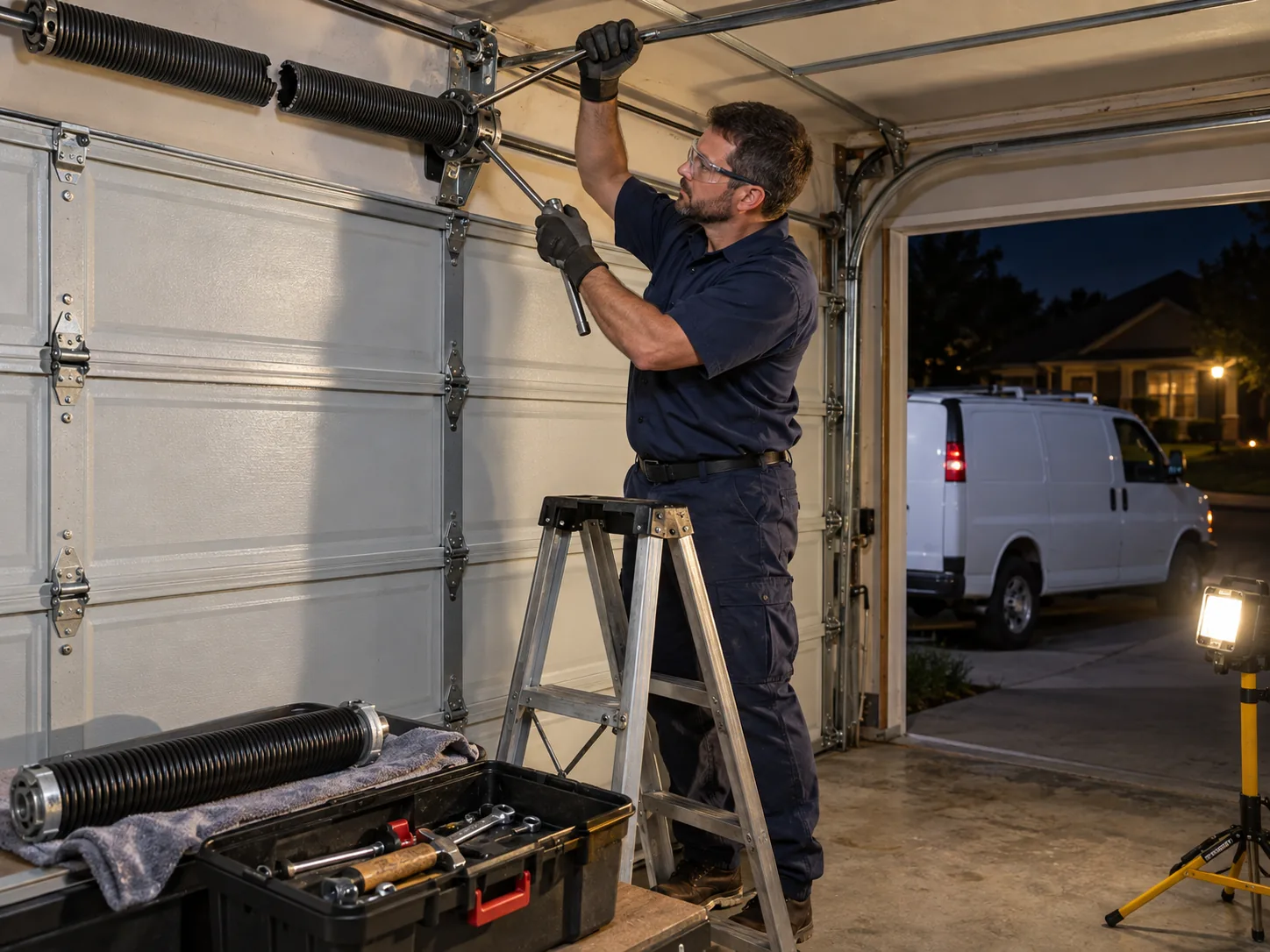
Multi-panel jobs, or doors where two or three sections took heat and UV damage together, take longer because each section has to be fit and the spring tension rechecked as panels come off and go back on.

Sourcing timeline

The variable that actually controls the schedule isn't labor, it's the panel itself. If your door's profile is still made, we can usually get it ordered and installed inside a normal work week.

Discontinued profile search

If it's an older embossment pattern common in the 1980s-built subdivisions across this area, sourcing a match can add real time before we ever touch the door, and that's the honest bottleneck on jobs like this - not the install, the part.

Questions

Common questions

Why do garage door panels dent and crack more here than in other climates?

Tucson sits in a severe-heat band, and that daily heat cycling flexes steel panels more than milder climates do. Over years, that flex loosens the foam-to-steel bond and makes the panel skin brittle, so a hit that would just dent a newer, more flexible panel instead cracks or splits an older one outright.

Can you match a panel on an older door instead of replacing the whole thing?

Sometimes. If the panel profile is still in production, a single-section swap is usually the cheaper route. Many doors from the 1980s and 90s used embossment patterns that are now discontinued, and in those cases matching a color and texture reliably means replacing the full door rather than chasing an obsolete panel.

Is a rusted bottom panel a sign the whole door needs replacing?

Not always. If it's isolated to the bottom section and the rest of the door is sound, a panel swap handles it. If rust has spread along the bottom track or into adjacent seams, that's usually a sign the whole door's been sitting in moisture longer than a single panel replacement will fix.

How do I know if it's a panel problem or a spring problem?

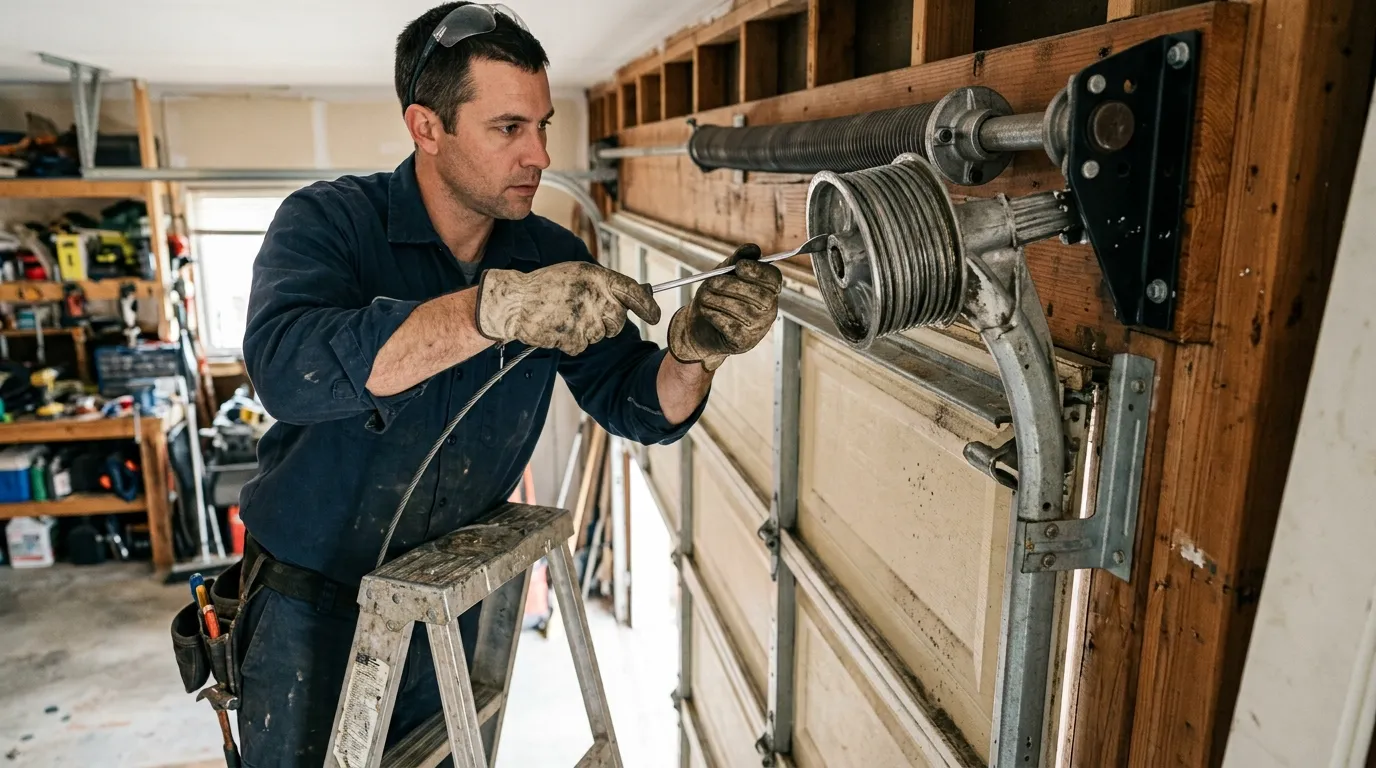
A panel problem is visible - a dent, crack, split seam, or faded and hollow-sounding section. A spring problem shows up as the door feeling heavy, uneven, or refusing to stay open partway. If the door looks fine but behaves wrong, that's spring or hardware, not panel.

Ready when you are

Need a garage door sorted in Tucson?

Tucson Garage Door Pros repairs and installs garage doors, springs and openers in Tucson, AZ and the surrounding area.

Call Now(520) 277-5762