
Tucson, AZ
Garage Door Installation for Tucson Homes
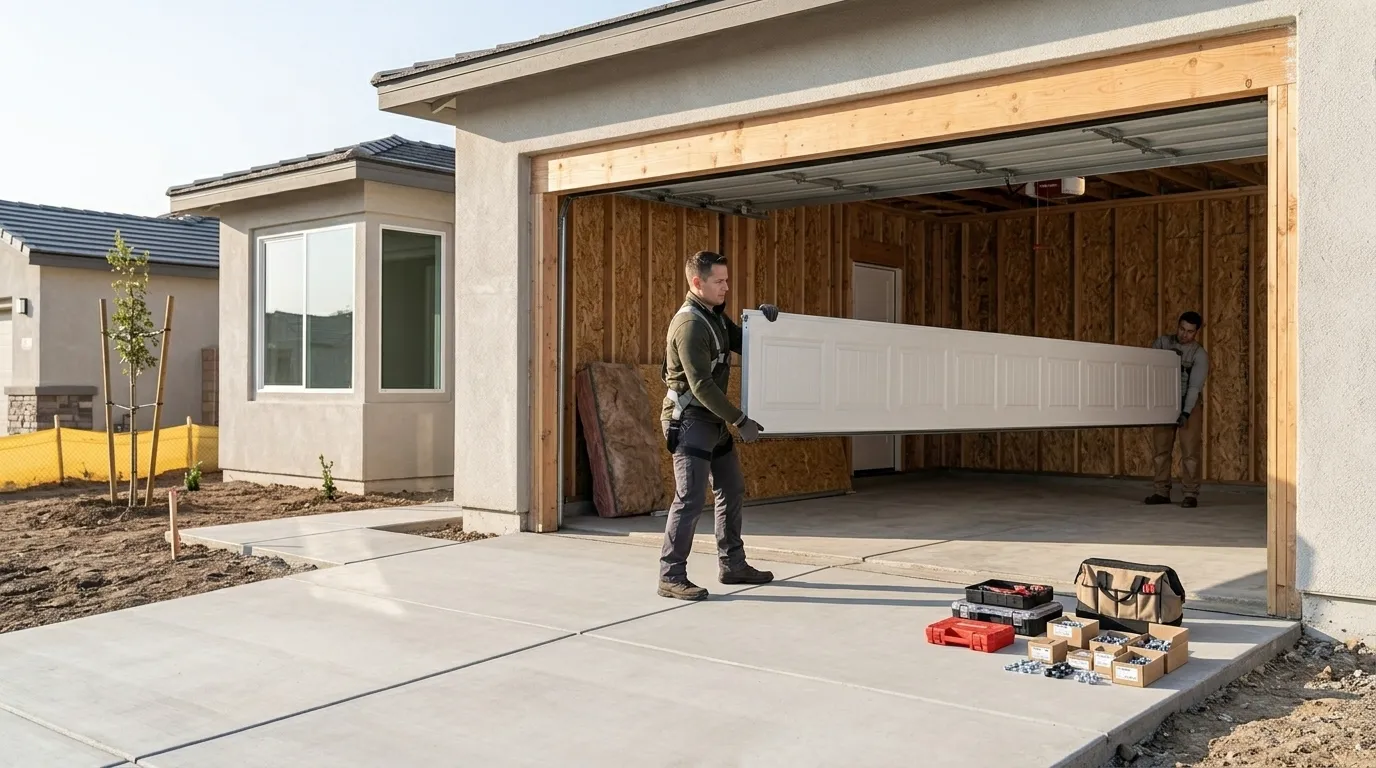
New garage door installation in Tucson, AZ, sized for the pre-2007 housing stock and built for triple-digit desert heat. Straight talk on timing and cost.
What we do
Garage door work in Tucson
Garage Door Repair Built Around Tucson's Heat and Housing Stock
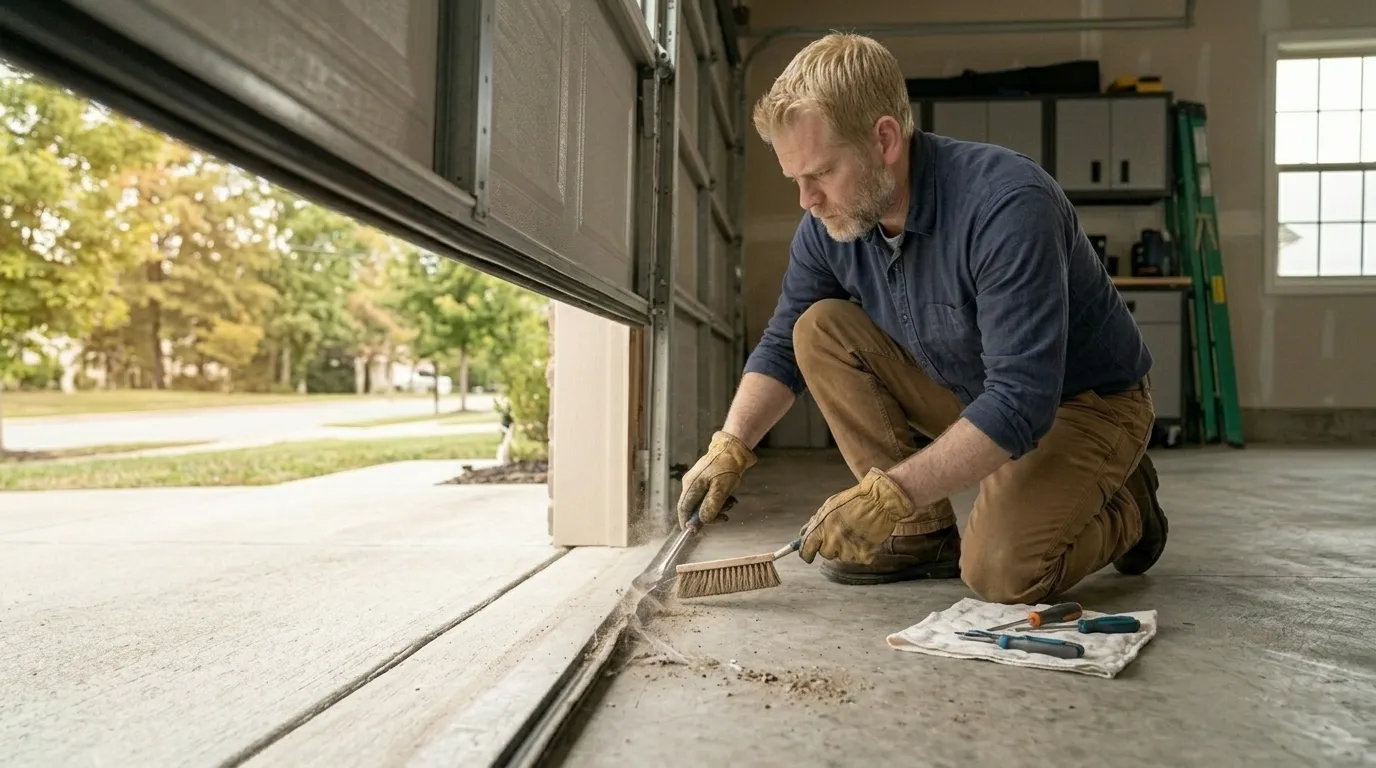
Garage door repair for Tucson homes built 1980-2007, where summer heat wears out openers and springs faster than cooler climates. Learn more →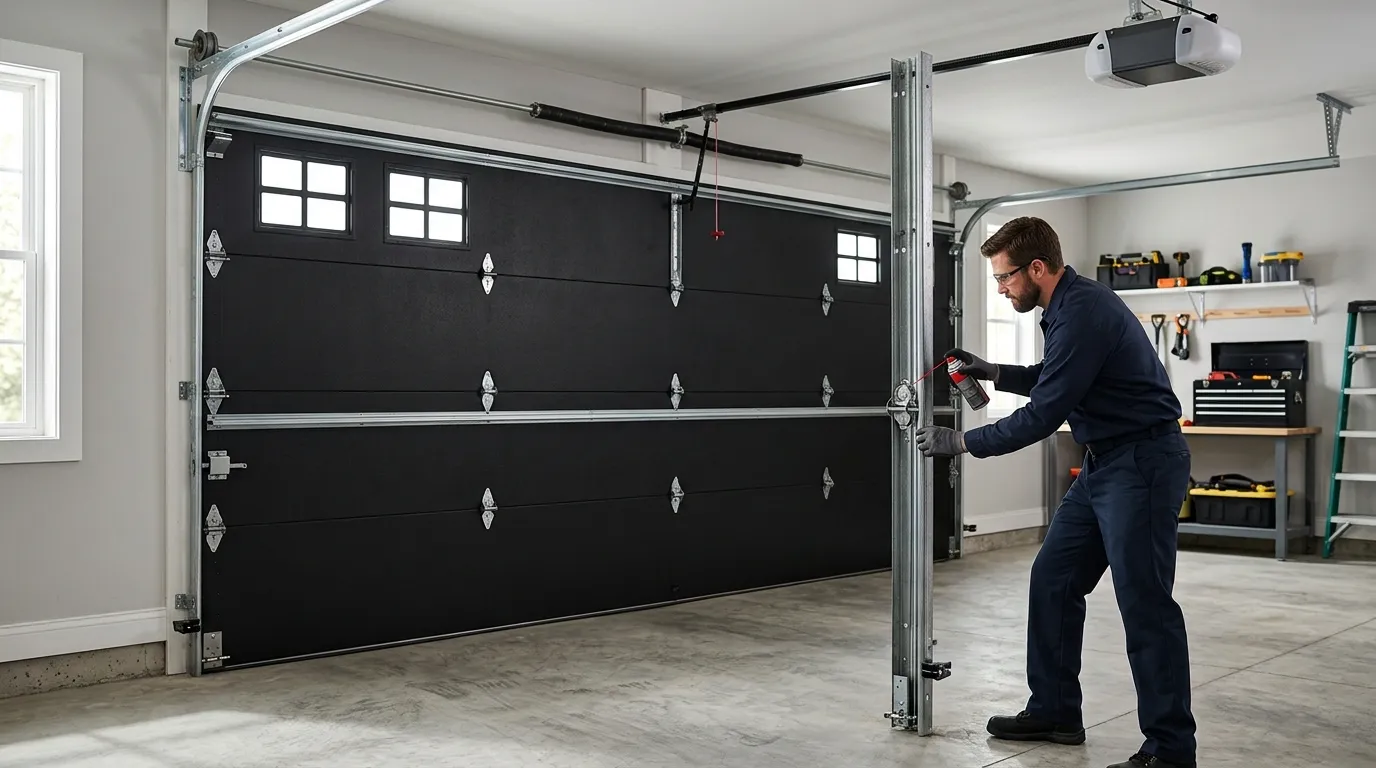
Garage Door Service for Tucson's Heat-Worn Housing Stock
Tucson's severe summer heat and 1980s-2000s housing stock wear out garage door springs and openers fast. Learn more →Local detail
What Causes It Around Here
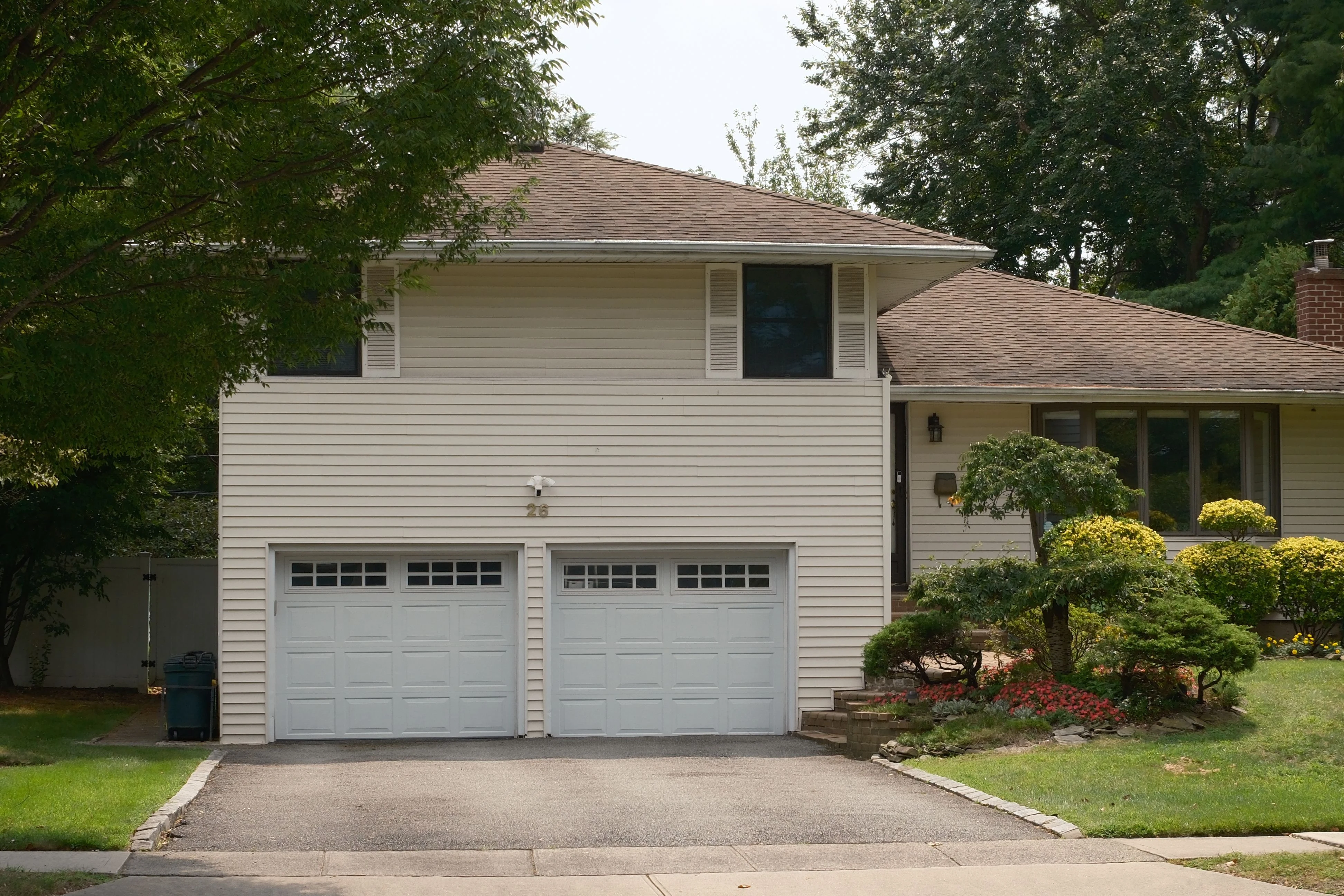
Most of the doors we're replacing here went in on houses built between 1980 and 2007, with the bulk of that stock dating to the mid-1980s. That's not a coincidence - it's when whole stretches of this city got built out, and it means a lot of garage doors on the road right now are original or close to it. In neighborhoods like Vail, Sahuarita, and Casas Adobes, that 1980s-90s stock means original steel doors with foam cores that have baked apart after three decades of Tucson summers.
The foam separates from the steel skin, the panel goes soft in the middle, and the door starts racking in the track instead of running straight. Tucson's severe summer heat turns a slightly warped panel into a jammed track by August, because steel expands unevenly when one side of the door sits in full sun and the other doesn't. Add in original torsion springs that were never rated for today's heavier insulated replacement doors, and you get an opener straining against hardware it wasn't built to lift.
None of this is a defect in any one door - it's what happens to a fixed piece of steel and foam left in a desert for thirty-plus years. New installation, done with the right spring weight and a door built for this climate, fixes the actual cause instead of patching the symptom again.
The area
Doing It Yourself
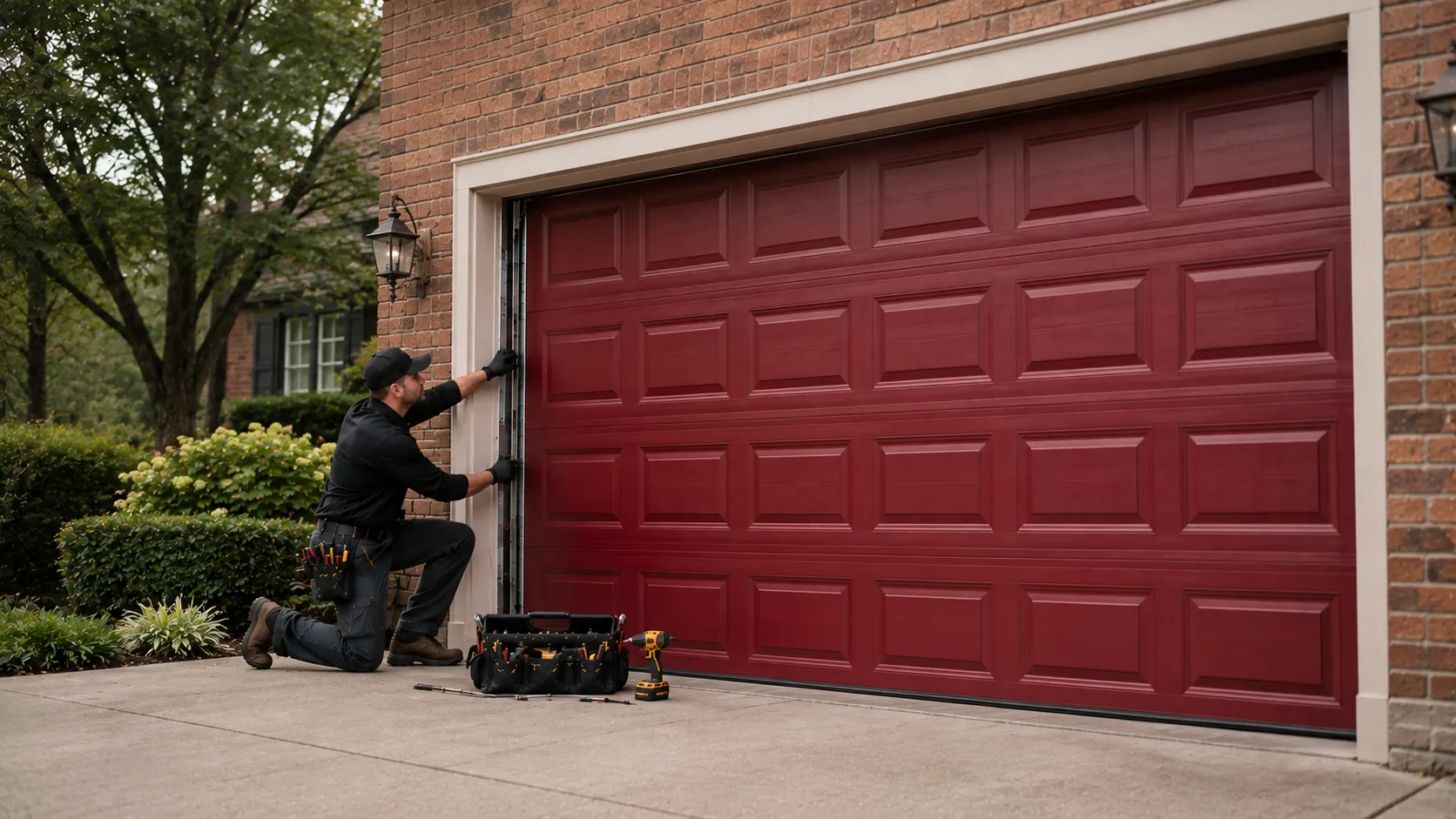
A torsion spring on a standard double door is under enough tension to break a hand or worse if it lets go while you're working near it, and that risk doesn't change because you're handy with tools. Swapping a full door - not just a panel - means pulling old track off a jamb that's often been holding the same hardware since the house was built in the 1980s or 90s, and those lag points don't always come out clean. If the jamb has shifted even a little over that many years, a new door won't sit square against old shims, and you'll be fighting air gaps and a door that won't seal at the bottom.
Wiring a new opener in correctly, setting travel limits, and balancing spring tension so the door doesn't slam or stick are all things that go wrong quietly - the door looks fine for a few weeks, then a cable frays or a bracket pulls loose. We'll say plainly: a straightforward panel swap on a door you already know is fine to DIY if you've done mechanical work before. A full torsion-spring installation on an aging jamb is where we see the most emergency calls from homeowners who started the job themselves.
What we find
How It Shows Up
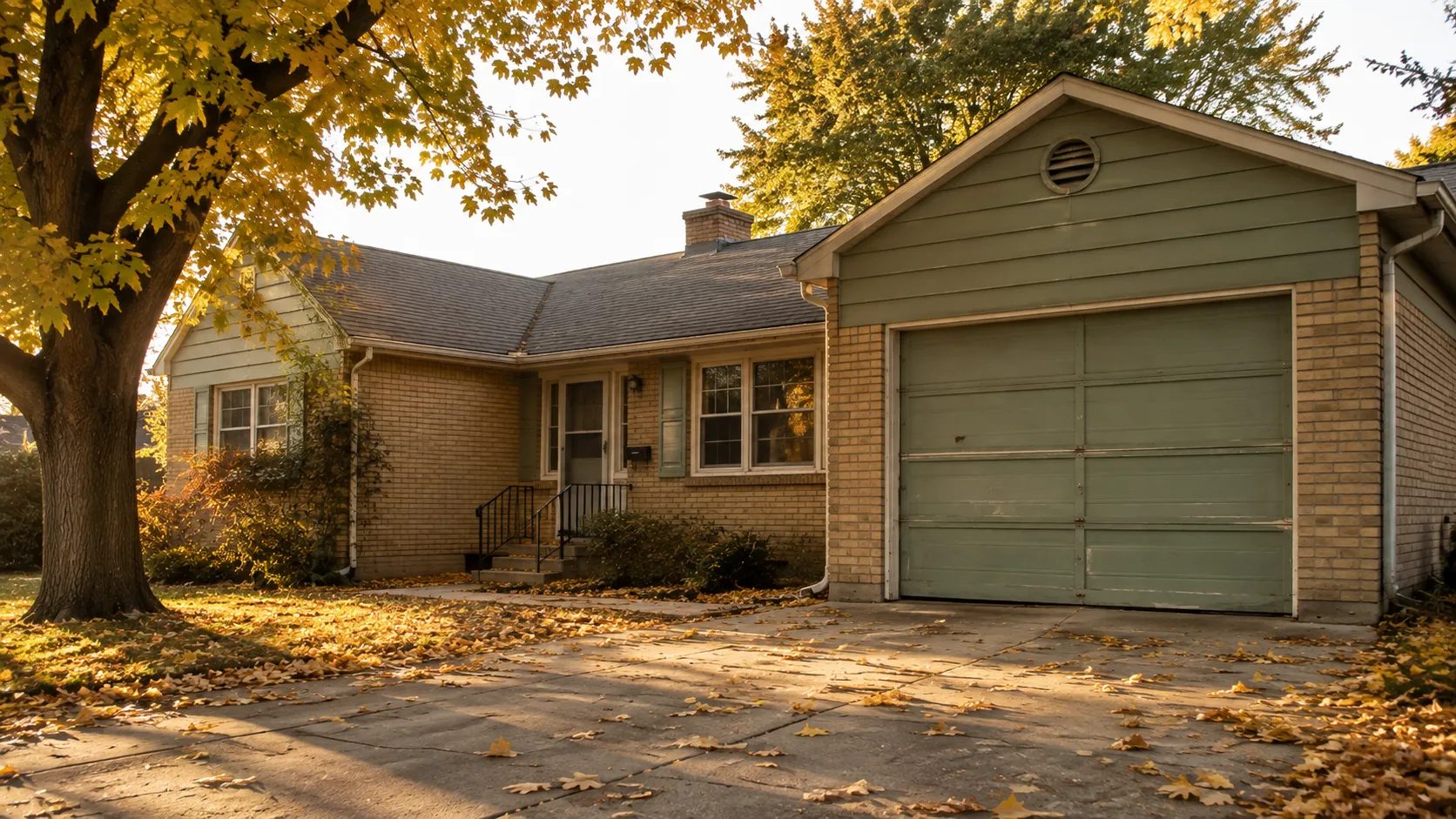
The most common first sign isn't a broken door - it's a door that runs rough. You'll hear the opener working harder than it used to, or notice the door hesitates partway up before catching again. On older steel doors from that 1980s-2007 building wave, look for a slight bow across the middle panel when the door's down; that's the foam core separating from the skin, and it only gets worse with more summers of heat. Daylight showing under the bottom seal, especially on the side that gets more sun, usually means the door has warped enough that it's no longer sitting flat on the slab.
Sometimes it shows up as dust - a lot more of it than usual getting into the garage, which in this climate means the bottom seal has hardened and cracked instead of flexing. If the opener starts reversing on its own partway through closing, that's often the safety sensors reacting to a door that's no longer traveling straight in the track, not a sensor problem itself. Any of these are reasons to have someone look at whether this is a repair or whether the door's simply worn out from its climate and its age.
How we work
How Long It Takes
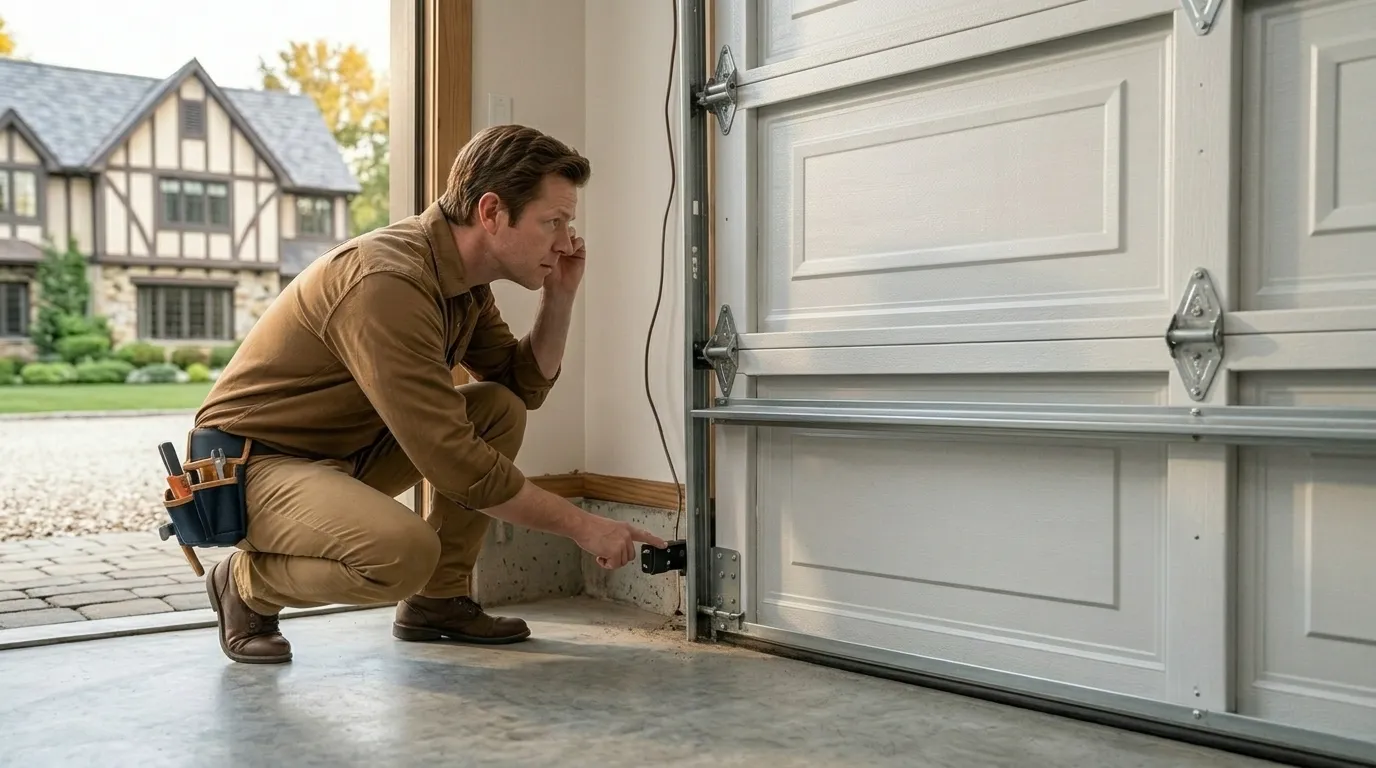
A single-car door swap on a house with straightforward track and a jamb that's still square is usually a same-day job once the new door's on site. A double door, or a door where the opener's being replaced too, adds time for wiring and balancing the new spring set correctly - rushing that step is how doors come back out of balance within months. Houses from that 1980-2007 building wave sometimes need extra time at the jamb itself, because thirty-plus years of monsoon humidity swings and summer heat can shift wood framing just enough that the new door needs shimming to sit flush.
With 65,148 owner-occupied houses across the service area sharing that same building era, we see the same worn-out spring size and jamb width on call after call, which helps us carry the right stock instead of guessing on-site. What we won't do is rush a spring installation to hit a shorter number - that's the one part of this job where taking the extra time is what keeps the door safe to use for the next few decades, not just the next few months.
Questions
Common questions
How do I know if I need a new door or just a repair in Tucson?
If the panel itself is warped, delaminated, or the foam core has separated from the steel skin - common on doors from the 1980s-2007 era after years of Tucson heat - replacement usually makes more sense than repair. If the problem is a broken spring, cable, or roller on an otherwise straight door, that's typically a repair, not a full installation.
Does Tucson's heat actually affect the installation itself?
Yes. Severe summer heat affects how steel and foam-core panels are installed and sealed - hardware is set slightly differently to allow for thermal expansion than it would be in a milder climate, and bottom seals need to handle both heat and dust rather than snow or ice.
Can you install a new door on an older jamb without rebuilding it?
Often, yes - most jambs from the 1980s-2007 building period are still sound and just need shimming to get a new door sitting flush and square. If framing has shifted enough to need real carpentry, we'll tell you before starting rather than forcing a door onto a jamb that isn't ready for it.
Do you serve areas outside central Tucson, like Vail or Sahuarita?
We cover the wider service area, including places like Vail, Sahuarita, Casas Adobes, and Corona de Tucson. Distance from our base affects scheduling more than it affects the work itself - the same door and installation approach applies across the area.
Ready when you are
Need a garage door sorted in Tucson?
Tucson Garage Door Pros repairs and installs garage doors, springs and openers in Tucson, AZ and the surrounding area.