
Guide
Is Your Old Tucson Garage Door Worth Fixing, or Is It Done
Tucson's housing stock dates mostly to 1980-2007. Here's how to tell if your original door and opener are worth repairing or if the heat has already won.
Local detail
Doing Nothing For Now
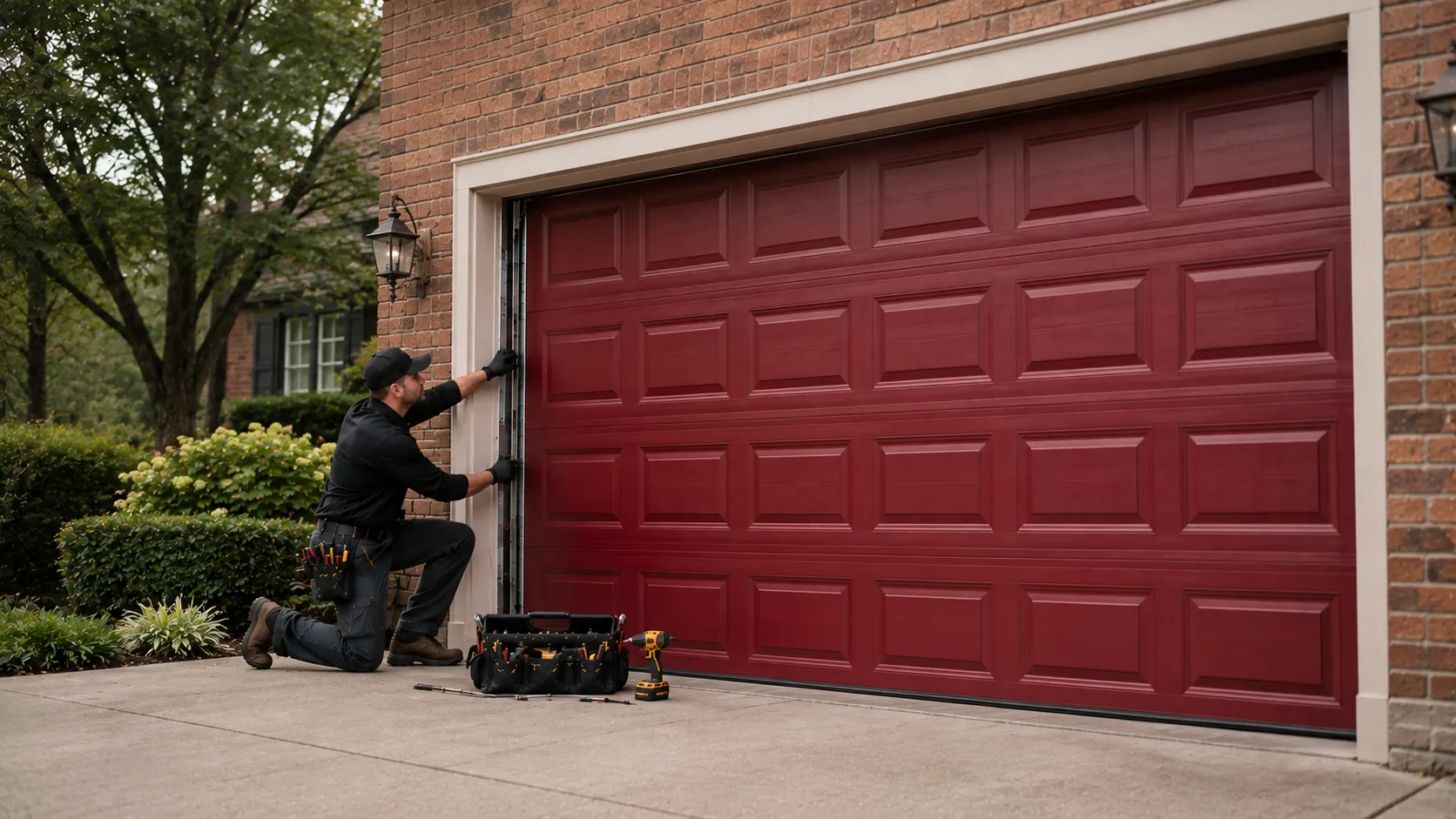
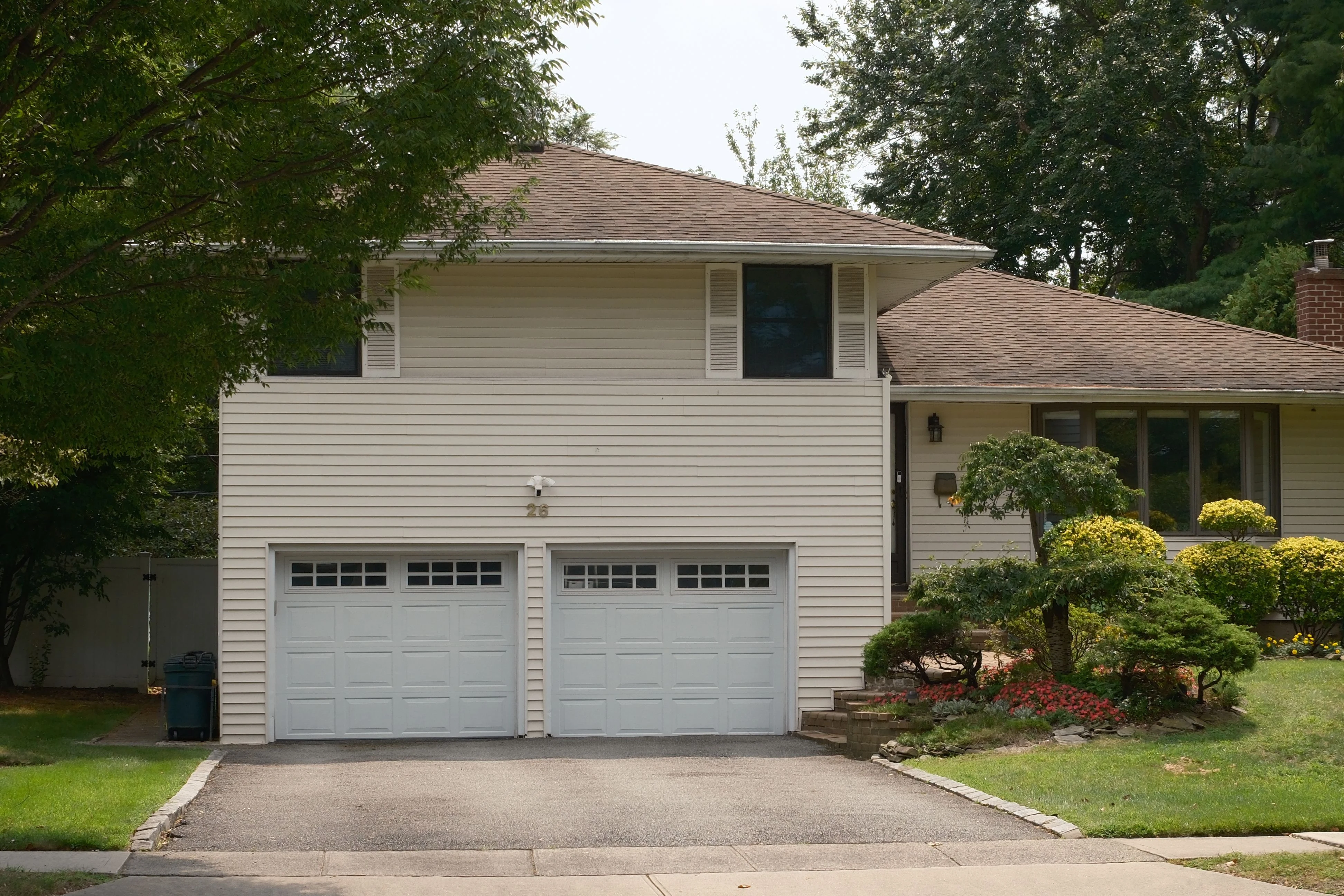
If your door still opens, closes, and seals without grinding or dropping, there's a real case for leaving it alone. Across Tucson's service area, most homes were built between 1980 and 2007, with a median build year of 1986 - from Summit and Catalina Foothills down to Drexel Heights and Vail. That means a lot of original hardware out there is somewhere between 20 and 40 years old, and plenty of it is still doing its job.
A door that opens smooth, closes level, and has springs that aren't visibly rusted or gapped doesn't need a truck out for a look. Lubricating hinges and rollers twice a year, checking the weatherstrip for cracking, and listening for new noises costs nothing and buys time. The honest limitation here: we can't tell you a door is fine from a phone call.
If it's working today, the smart move is watching it, not replacing it on a hunch. Panic-replacing a door that still functions is money you didn't need to spend.
The area
The Situation
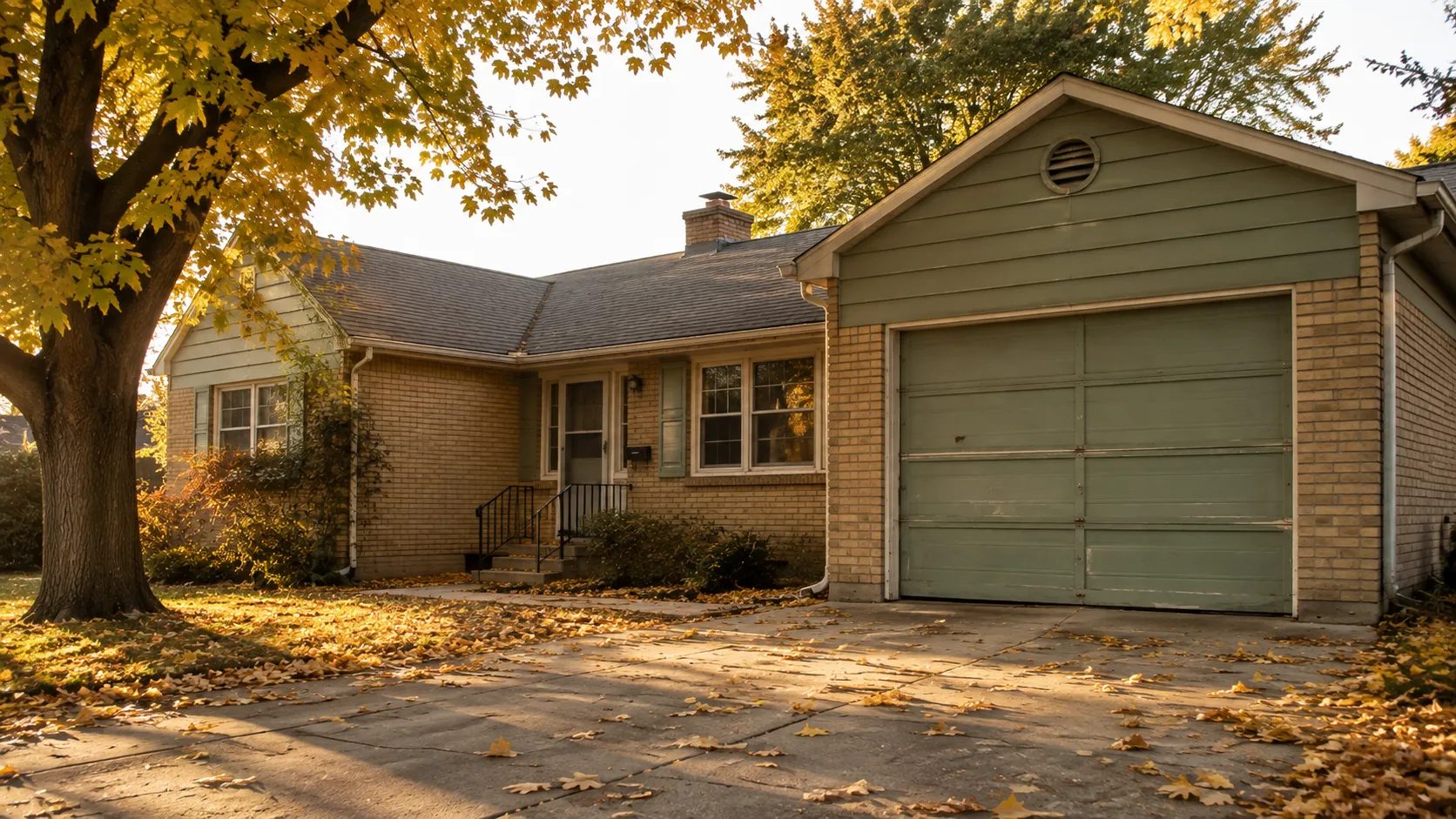
The stock we see most often falls into two camps. Homes built in the 1980s and 90s - which covers most of the 11 named areas in this service territory, including Flowing Wells, Casas Adobes, and Tanque Verde - commonly still have their original torsion springs and steel doors, sometimes with the first-generation chain-drive opener never swapped out. Homes toward the later end of that 1980-2007 window, closer to Sahuarita and Corona de Tucson, tend to have slightly newer galvanized hardware but the same style of insulation, or none at all.
Either way, springs in this age range are well past a normal cycle life, and steel panels from that era don't have the thermal breaks or foam-fill you'd get in a door built today. None of that means replace on sight. It means know what you're looking at before you decide whether a repair buys you five more years or five more months.
What we find
What Local Conditions Do
Tucson sits in a severe heat band, and that changes the math on repair versus replace more than age alone does. Summer surface temperatures on a west- or south-facing steel door push plastic idler bearings and nylon rollers through expansion and contraction cycles that doors in milder climates never see. That's why a door that closed fine in March starts binding on the track by August - the hardware is a fraction of a millimeter looser or tighter than it was, and torsion springs lose tension faster under sustained heat load.
On an uninsulated door from the 1980s-2007 build era common here, the garage itself can run 20-plus degrees over ambient, which shortens the working life of the opener's gears and belt too. A door that's already showing wear going into a Tucson summer is a different repair calculation than the same door in a temperate climate - the heat doesn't pause the clock, it speeds it up.
How we work
When It Stops Being a DIY Job
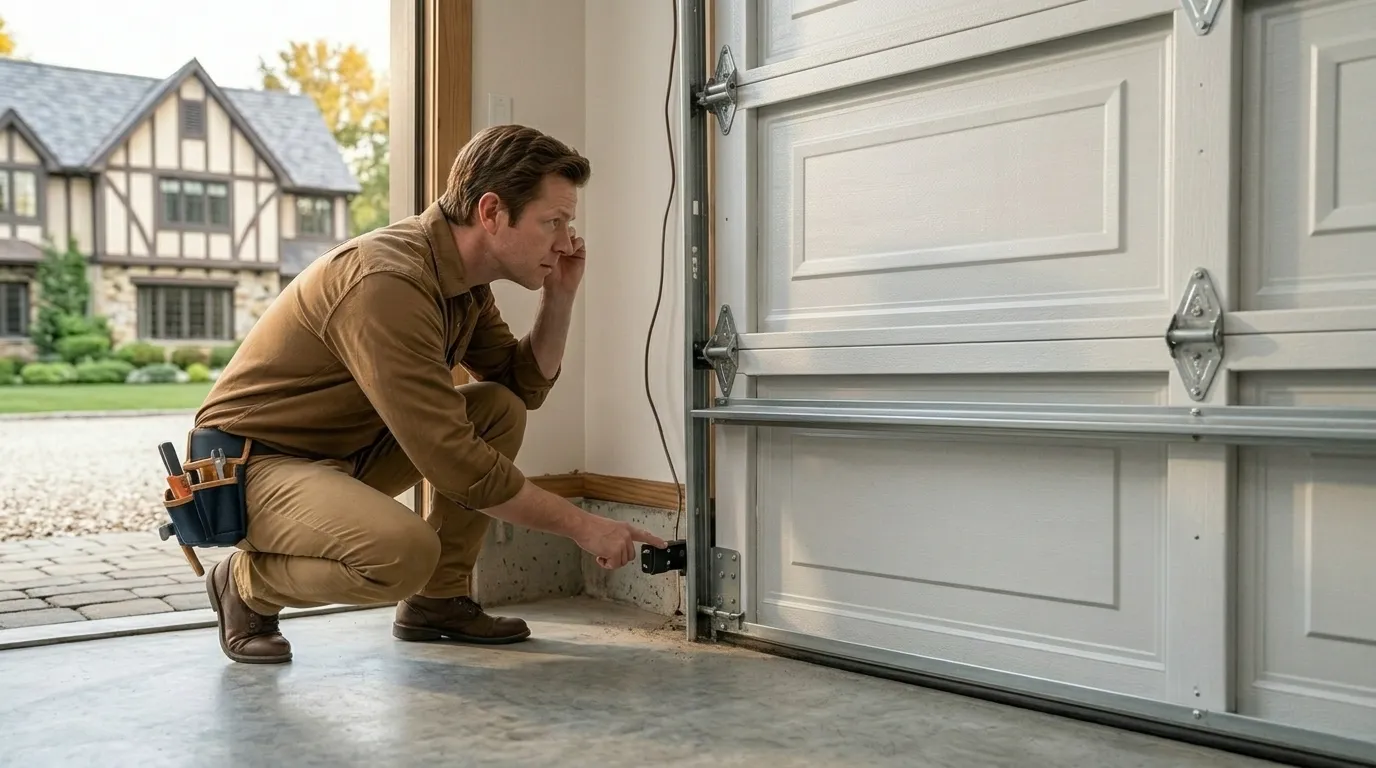
Rollers and hinges are fair game for an owner with a ladder and patience. Torsion springs are not - they're under enough load to break a hand or worse, and that's true no matter how old or new the door is. Here's where the age and climate specifics change the call: if your door dates to the earlier end of Tucson's 1980-2007 building window and you're seeing rust at the spring coils, a cable fraying at the drum, or a panel bowing from years of heat cycling, that's a structural problem, not a lubrication problem.
With a median household income of $90,758 and 65,148 owner-occupied houses across this service area, most owners here are choosing between a $200-400 spring job and a full replacement - and that choice should hinge on the door's actual condition, not its birth year alone. Call for an inspection before the spring lets go on its own; a door that fails mid-cycle in July heat is a worse day than a scheduled repair.
Questions
Common questions
How do I know if my garage door is too old to repair?
Age alone doesn't decide it. Check for rust at the spring coils, a bowed or dented panel, and whether the door binds or drags on the track. In Tucson's heat, doors from the 1980s-2007 building era often show wear at the rollers and bearings first - that's usually still a repair, not a replacement.
Does Tucson's heat actually shorten garage door life?
Yes. Sustained high temperatures push plastic rollers and idler bearings through more expansion and contraction than milder climates cause, and torsion springs lose tension faster under heat load. A door that's fine in spring can start sticking by mid-summer even with no other damage.
Is it worth replacing an opener from the 1980s or 90s instead of repairing it?
Depends on what's failing. A worn gear or belt is a repair. But an opener from that era running on original bearings in a hot, uninsulated garage has likely already outlived its expected duty cycle - at that point a repair may only buy a few months before something else on it fails.
Ready when you are
Need a garage door sorted in Tucson?
Tucson Garage Door Pros repairs and installs garage doors, springs and openers in Tucson, AZ and the surrounding area.