
Tucson, AZ
Garage Door Repair Built Around Tucson's Heat and Housing Stock
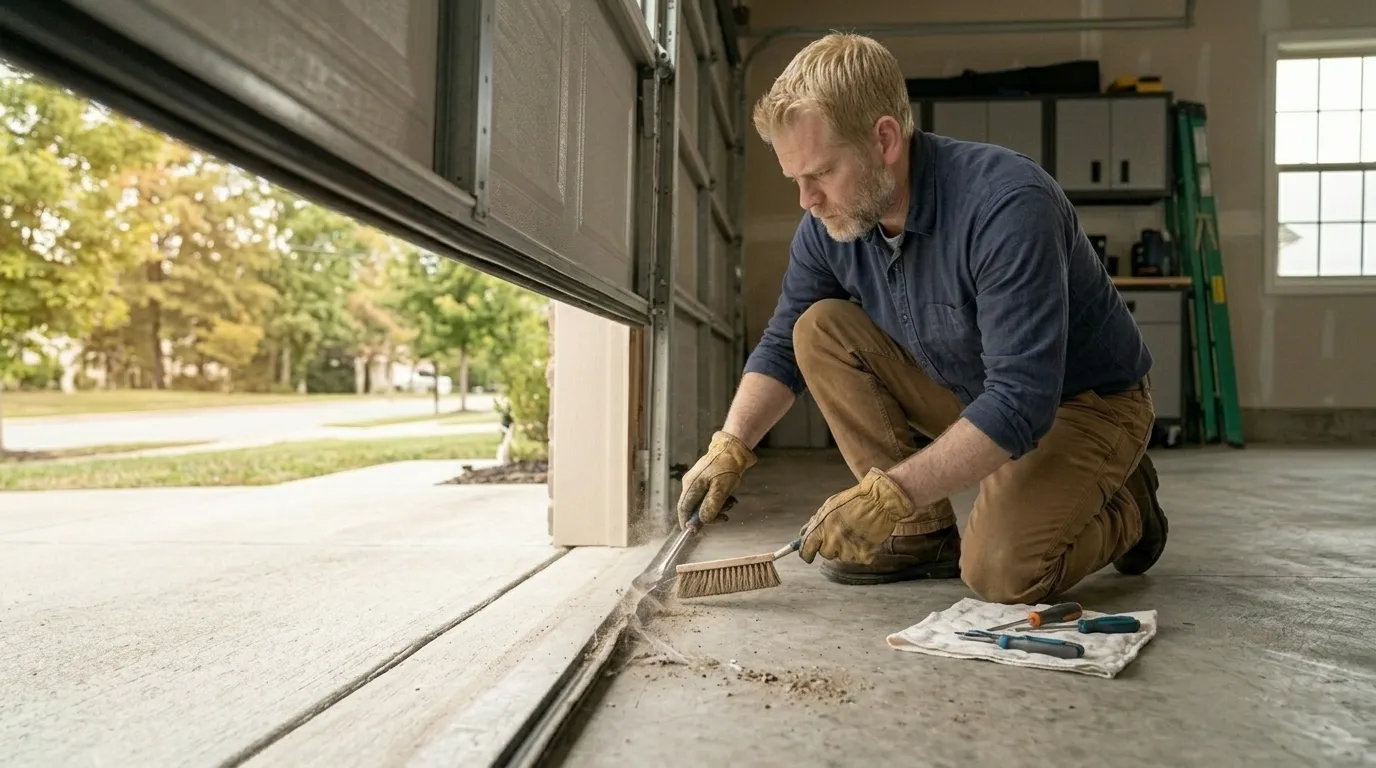
Garage door repair for Tucson homes built 1980-2007, where summer heat wears out openers and springs faster than cooler climates. Same-day service across the valley.
What we do
Garage door work in Tucson
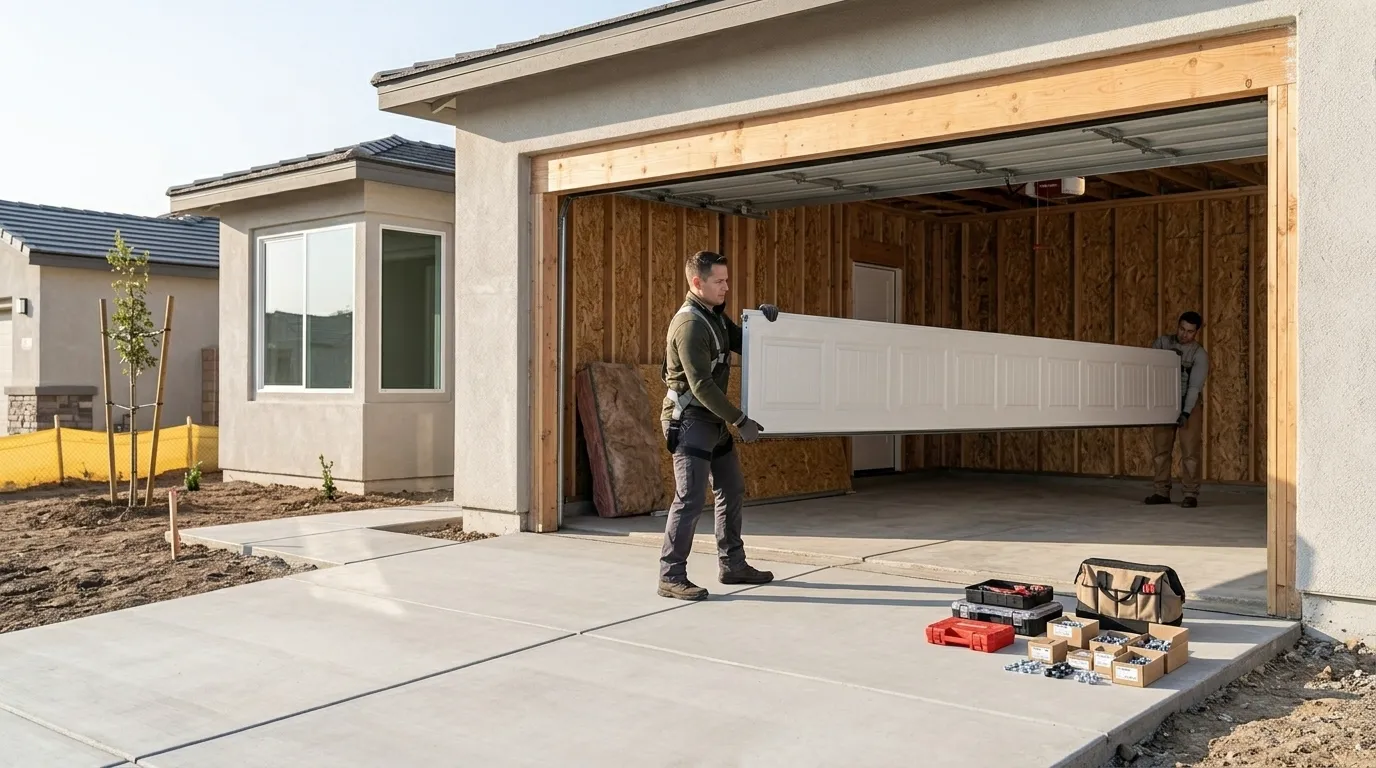
Garage Door Installation for Tucson Homes
New garage door installation in Tucson, AZ, sized for the pre-2007 housing stock and built for triple-digit desert heat. Learn more →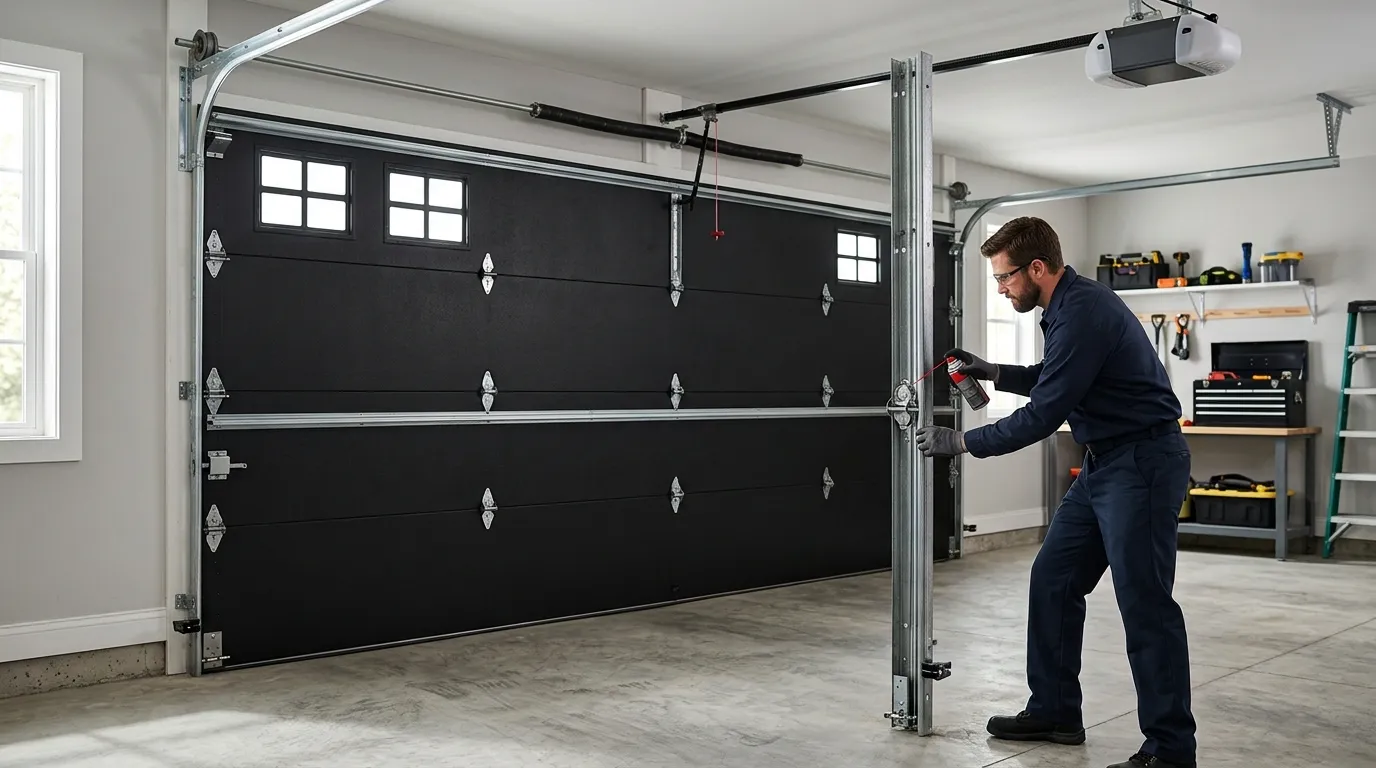
Garage Door Service for Tucson's Heat-Worn Housing Stock
Tucson's severe summer heat and 1980s-2000s housing stock wear out garage door springs and openers fast. Learn more →Local detail
What Causes It Around Here
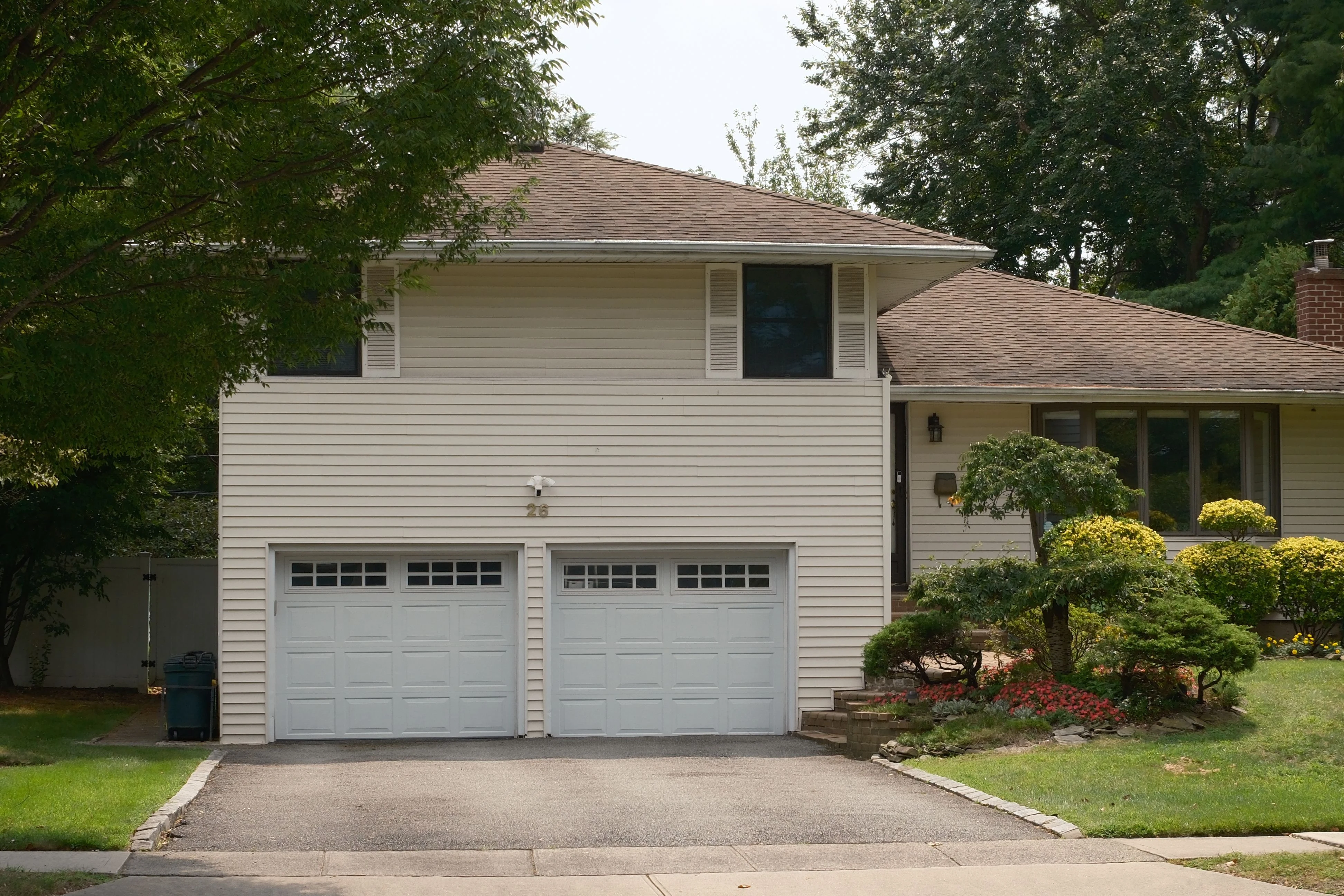
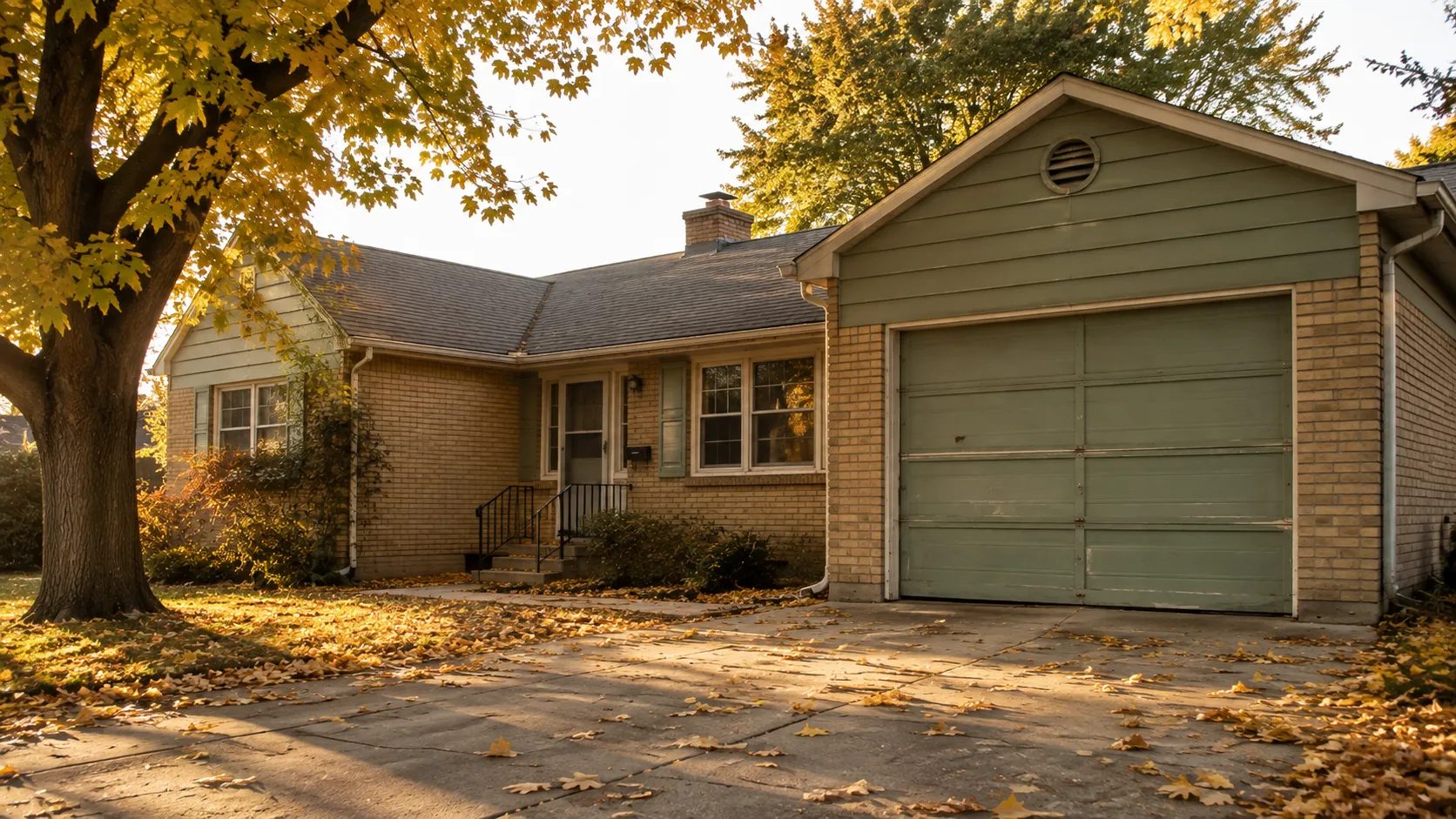
Most of the houses we get called to sit in neighborhoods built between 1980 and 2007, with the bulk of that stock going up in the 1980s and 90s across the eleven areas we work most - places like Century Park, Los Reales, and the Civano side of town. That means a lot of doors and openers are original or on their second unit, and they were never built for what Tucson summer does to them.
Heat is the real driver of failure here, and this region sits in the severe end of that band. Torsion springs live on the wall right above the door, baking in a closed garage that can sit well over 130 degrees by mid-afternoon. Steel fatigues faster under repeated heat-cool cycles than it would in a mild climate, so springs rated for a certain number of cycles hit that number years sooner. Nylon gears inside chain-drive openers get brittle and crack. Circuit boards in openers from the 80s and 90s stock weren't built with today's heat tolerances, and they fail at the solder joints first.
We also see a lot of dry-rotted weatherstripping and cracked bottom seals - not a safety issue by itself, but it lets in dust and heat that shortens the life of everything else on the door.
The area
Doing It Yourself
There's a short list of things worth doing on your own. Wipe down and lightly lubricate the rollers and hinges with a silicone-based product, not WD-40, which attracts grit in a dusty climate. Check that the bottom seal isn't cracked and letting in blowing dust. Look at the torsion spring for a visible gap - if you see one, stop, because that spring is under enough stored tension to break bones or worse if you touch it.
What we don't recommend you do yourself: touching the torsion spring, disconnecting the cables, or working on anything with the door in the up position and unsupported. Given how many of these houses have the original 1980s-era hardware, the spring sizing and drum setup can be inconsistent from what you'd find in a newer build, and guessing wrong on a replacement spring is how people get hurt or blow out a second panel.
One honest limitation: if your opener board is failing intermittently rather than dead, we can't always diagnose it over the phone or with a five-minute look. Heat-related board failures are sometimes the kind that only show up once the garage has baked all afternoon, so sometimes the right call is watching it fail in front of us rather than guessing.
What we find
How It Shows Up
The most common call we get is a door that won't open at all, and it's almost always one of two things: a torsion spring that finally gave out after years of heat cycling, or an opener board that cooked itself on a 115-degree afternoon. You'll usually hear a loud bang from the garage if it's the spring - that's the sound of it letting go.
The second most common pattern is a door that opens partway and reverses, or that runs but sounds like it's grinding. That's often a nylon gear inside an older chain-drive opener that's gone brittle from the heat and started to strip. It doesn't fail instantly - you'll usually notice it getting slower or noisier for a week or two before it stops moving the door at all.
A third pattern, more cosmetic but still a real complaint in a household income area where people keep their homes up, is a door that looks fine but rattles hard on hot afternoons - loose rollers and dry hinges expanding and contracting with the heat swings between a 130-degree garage and a cool evening.
How we work
How Long It Takes
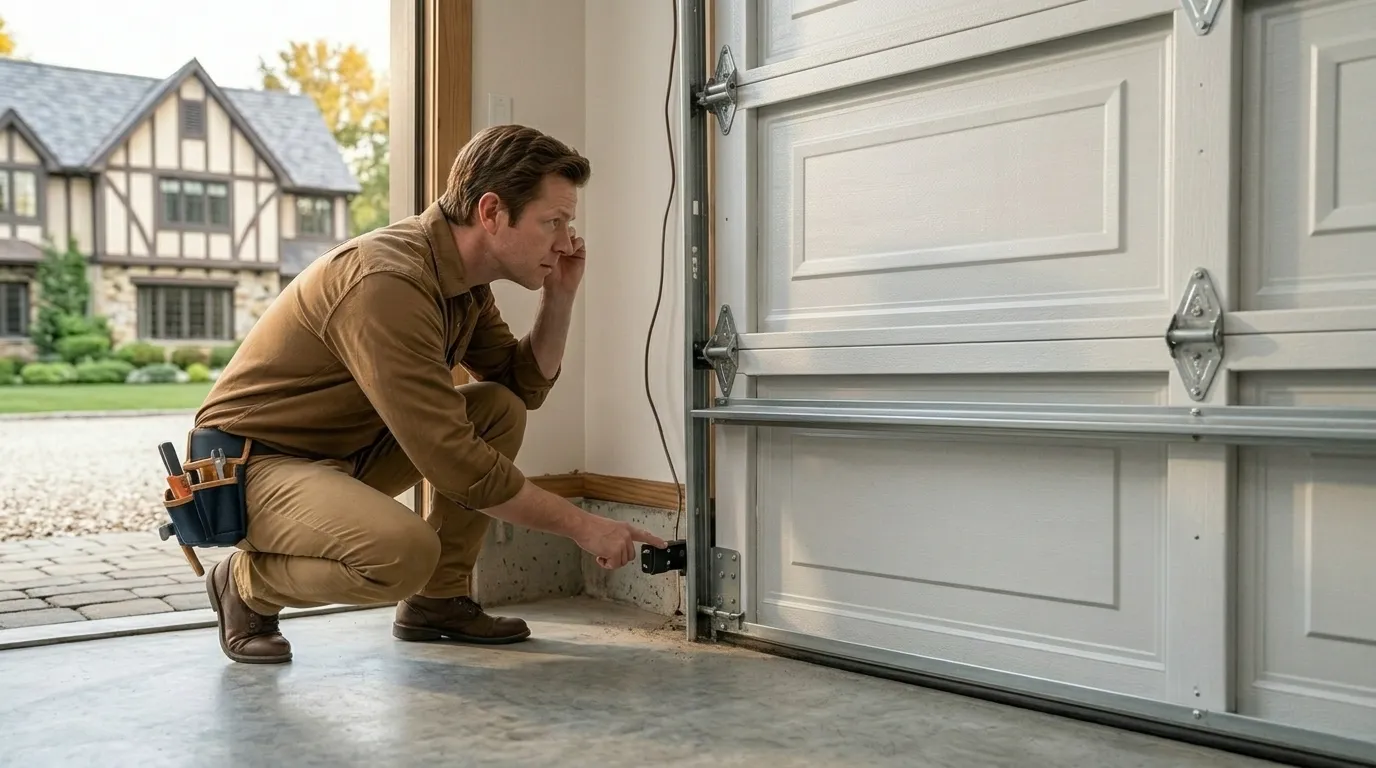
A straightforward torsion spring replacement on a standard double door is usually a same-visit job - we carry common spring sizes on the truck because it's the single most frequent call across the area, including the 65,148 owner-occupied houses we could be serving on any given week. Opener board failures take longer to pin down since we sometimes need to watch the unit under load, and if a specific board isn't something we stock, that part can be a lead-time item rather than same-day.
Cable and drum issues on the older 1980s and 90s hardware are usually same-visit too, though matching drum sizing to non-standard track setups from that era occasionally takes an extra trip to get the right part. We won't put a new panel on old, mismatched track and call it done - if the track itself has warped from years of heat expansion, replacing it is part of the job, not an upsell.
Questions
Common questions
Why do garage door springs break so often in Tucson?
Torsion springs sit in the garage where summer heat routinely pushes past 130 degrees. That heat-cool cycling fatigues the steel faster than it would in a milder climate, so a spring rated for a set number of open-close cycles reaches that limit years earlier here than it would somewhere without Tucson's severe heat band.
Is it worth repairing an opener from the 1980s or 90s?
Depends on the failure. A stripped nylon gear or a bad capacitor is usually a cheap fix. A cooked circuit board on an opener that old often costs close to a new unit once you add the labor, and newer openers handle heat cycling better, so we'll tell you honestly when replacement makes more sense than repair.
Do you carry parts for older torsion spring setups?
We stock the common spring sizes that fit the 1980s-2007 housing stock across the areas we work, which covers most calls same-visit. Less common drum or shaft configurations sometimes require an extra trip to match the part correctly rather than force a fit that won't hold up.
How fast does heat actually damage a garage door?
It's gradual, not sudden. A garage door here goes through daily swings from a hot afternoon interior back down at night, and that repeated expansion and contraction is what dry-rots seals, cracks nylon gears, and fatigues spring steel over years rather than causing a single failure event.
Ready when you are
Need a garage door sorted in Tucson?
Tucson Garage Door Pros repairs and installs garage doors, springs and openers in Tucson, AZ and the surrounding area.