
Guide
When the Opener Quits and the Power Goes With It
Tucson's 1980s-2000s housing stock and severe summer heat push garage door openers to fail early. Here's what breaks first and when to call a pro.
Local detail
Doing Nothing For Now
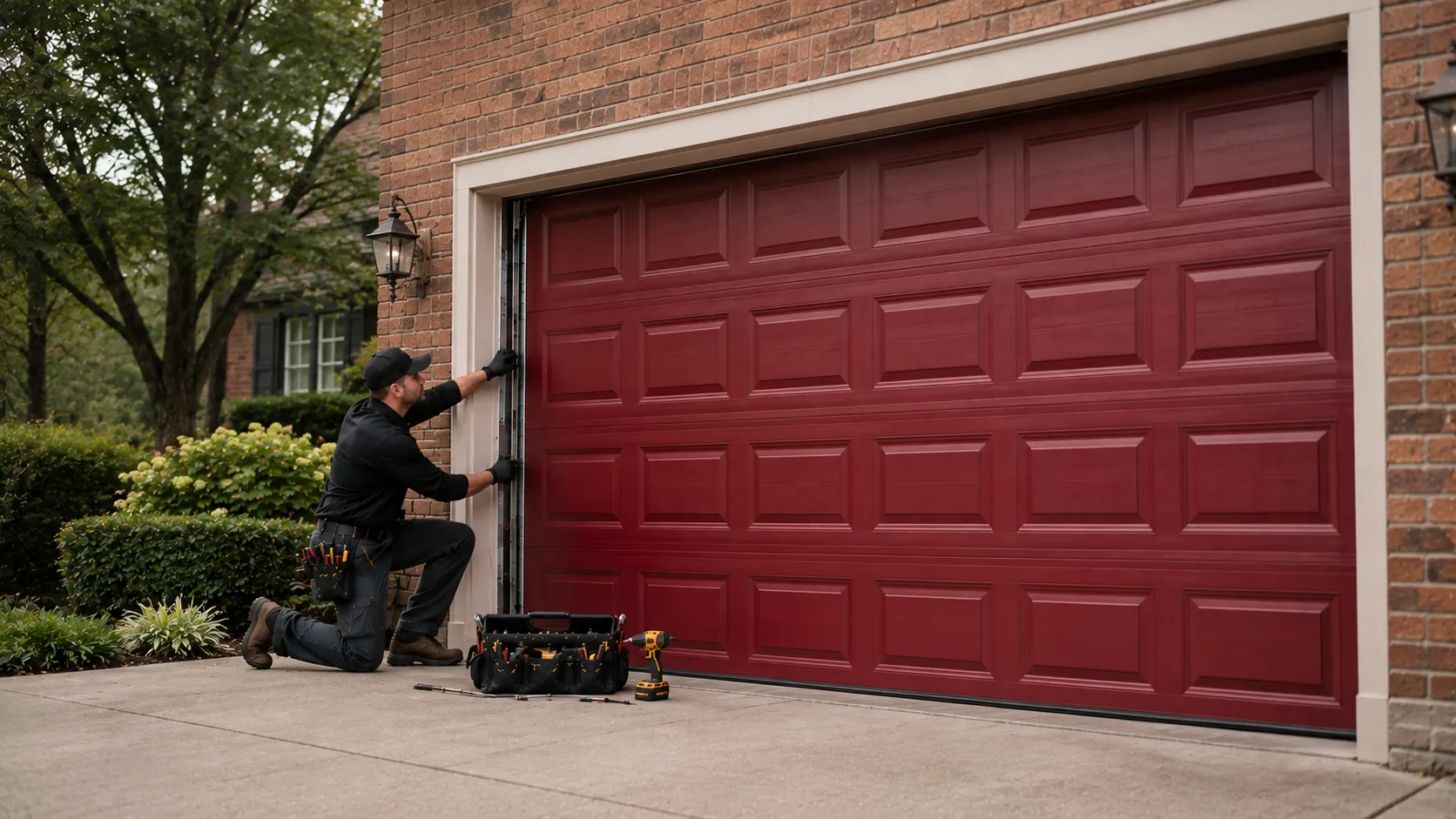
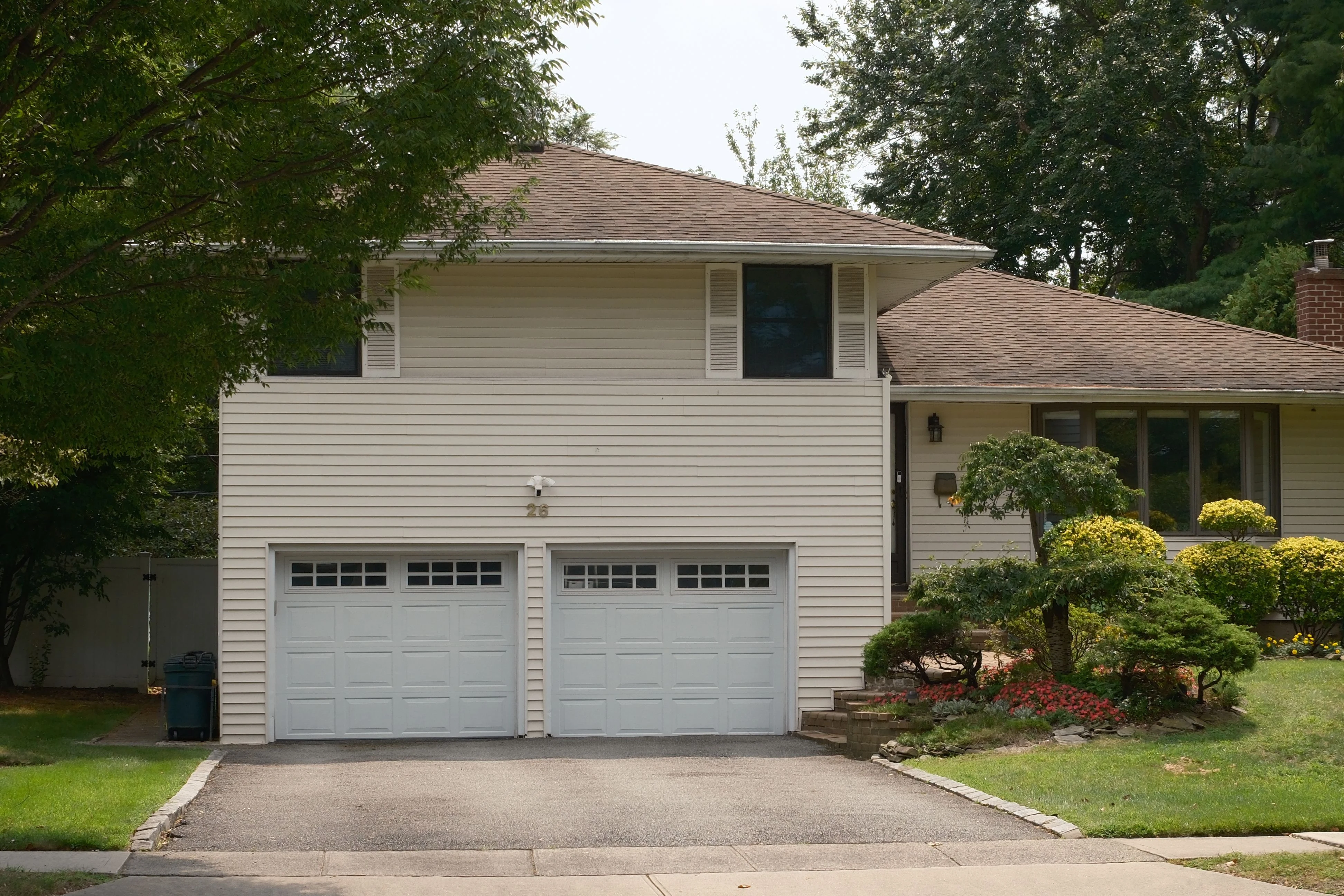
If your opener still lifts the door smoothly, closes all the way, and reverses when something's underneath it, there's no reason to touch it. A lot of the openers in this part of town were installed in houses built between 1980 and 2007 - most of that stock dates to the mid-80s - and plenty of those original units are still chugging along on their second or third remote battery. Waiting is the right call when the motor sounds normal, the chain or belt isn't slapping, and the door doesn't hang or drift once it's open. Where waiting stops being smart is once you notice the opener straining on a door that used to move quiet, or the light flickers when the motor kicks in.
That's a sign the capacitor or the gear set is on its way out, and in a house with a decades-old unit, that failure tends to arrive without warning during a heat spike, not on a mild afternoon when it's convenient. We're not going to tell you to replace something that works. We are going to tell you that in this housing stock, an opener past 20 years old is running on borrowed time, and that's just the math of the parts.
The area
The Situation
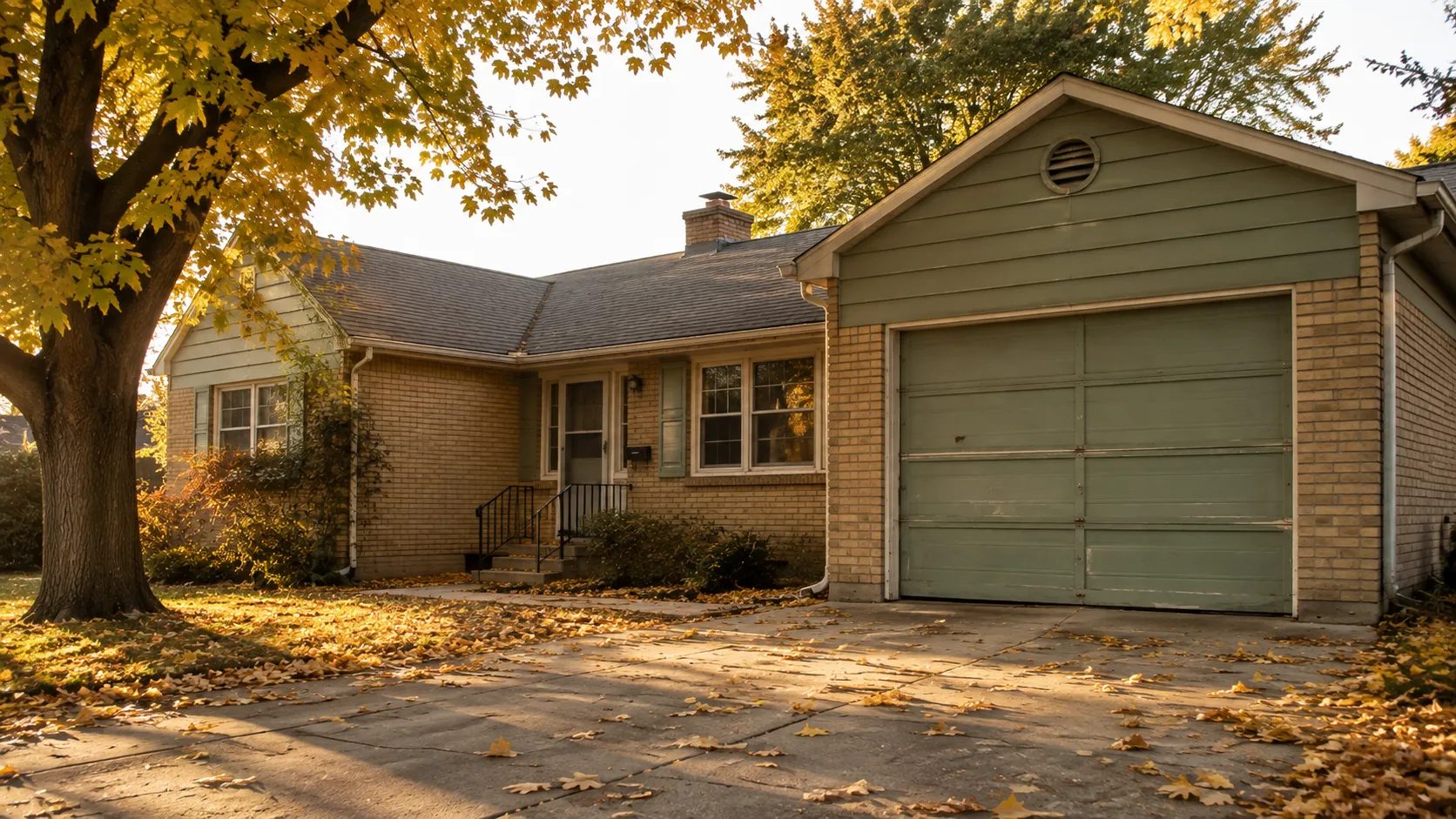
Most of the roughly 65,148 owner-occupied houses in this service area were built during that same 1980-2007 stretch, which means a huge share of garage door openers out there are chain-drive units from an era before battery backup was standard equipment. When the power goes out - and it does, on the monsoon days when the grid gets stressed hardest - those openers stop cold, full charge or not, because there's nothing storing power in the unit itself. The manual release cord still works, but plenty of homeowners have never pulled it and don't know where the door will stop once it's disconnected from the trolley.
The other half of the situation is wiring: houses from the 80s and 90s often run the opener off a single outlet on a circuit that predates the demands of newer door hardware, so a spring upgrade or heavier door sometimes trips a breaker the old wiring wasn't sized for. None of this is exotic. It's just what happens when a fixed piece of 1980s electrical planning meets a garage door market that's changed under it.
What we find
What Local Conditions Do
Tucson sits in a severe-heat band, and heat is hard on the parts inside an opener housing before it's hard on anything else in the garage. Circuit boards and capacitors degrade faster at sustained high temperatures - a board rated for a normal climate ages quicker sealed inside a garage that regularly sits well above 100 degrees for months at a stretch. Plastic gears inside the opener head, the kind found in most residential units built in the 80s and 90s, get brittle under that heat cycling and are a common point of failure in this area specifically. Metal expands too: torsion springs and track brackets shift slightly with the heat, which is why a door that ran quiet in April can start binding or grinding by July without anyone touching it.
None of this is a defect in the door. It's the climate doing what severe heat does to mechanical parts that were never built with air conditioning in mind. If your opener is original to a house from that 1980-2007 build window, the heat has already been working on it longer than most owners realize.
How we work
When It Stops Being a DIY Job
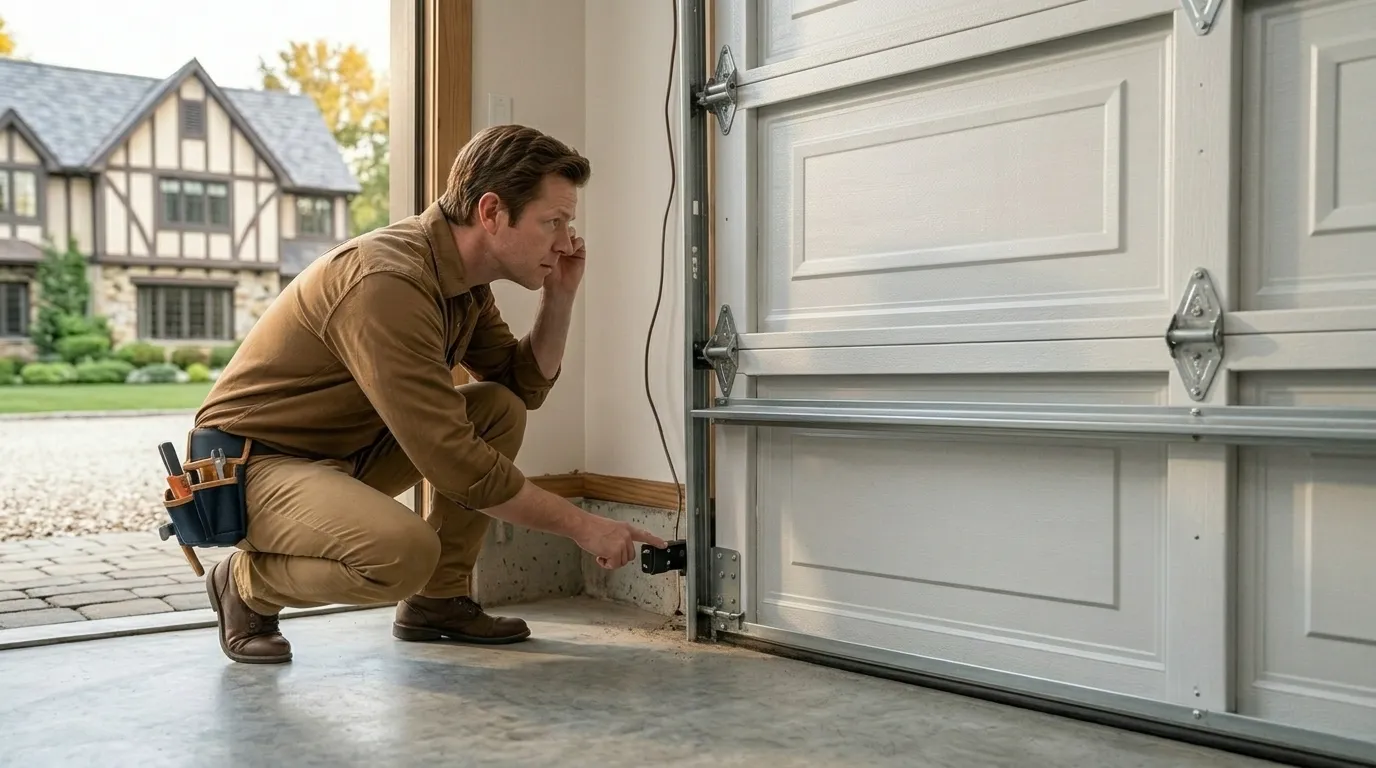
Pulling the manual release and lifting the door by hand during an outage is fine for one night. It's not a long-term fix, and if the door won't stay up on its own once disconnected from the opener, that's a spring problem, not an opener problem, and springs under tension aren't a homeowner repair - that's the honest limit here. If the opener trips a breaker repeatedly, don't keep resetting it; that's the circuit telling you it's undersized for the load, and it needs an electrician's eye before a garage fire becomes the actual emergency.
Swap in a new opener with battery backup and you solve the outage problem going forward, but if the door itself is original to a house from the 80s or 90s, matching a new opener to old track and hardware sometimes uncovers a second problem you didn't know you had. We'd rather tell you that upfront than have you pay twice.
Questions
Common questions
Will my garage door opener work during a power outage?
Only if it has a battery backup, and most openers original to houses built in this area's 1980-2007 window don't. Without backup, the opener won't respond at all until power's restored. You can still open the door manually using the release cord - just know where it stops once disconnected from the trolley.
Why does my opener struggle more in summer?
Severe heat is hard on the circuit board, capacitor, and plastic gear sets inside the opener housing. In a garage that regularly runs well above 100 degrees, those parts age faster than they would in a milder climate, which is why summer is when a lot of older units finally fail.
My breaker trips when the opener runs. Is that the opener's fault?
Not usually. Houses from the 1980s and 90s often have the garage circuit sized for the older, lighter equipment of that era. A newer opener or heavier door can exceed that, and a tripping breaker is the wiring telling you it's undersized, not a sign the opener itself is broken.
Is it worth replacing an opener that still works?
If it's running quiet, closing fully, and reversing correctly, no. But if it's original to a house built in the 1980-2007 stretch that makes up most of this area's stock, it's already well past the point where heat-related parts failure becomes likely, and replacing it before it strands you is a reasonable call.
Ready when you are
Need a garage door sorted in Tucson?
Tucson Garage Door Pros repairs and installs garage doors, springs and openers in Tucson, AZ and the surrounding area.