
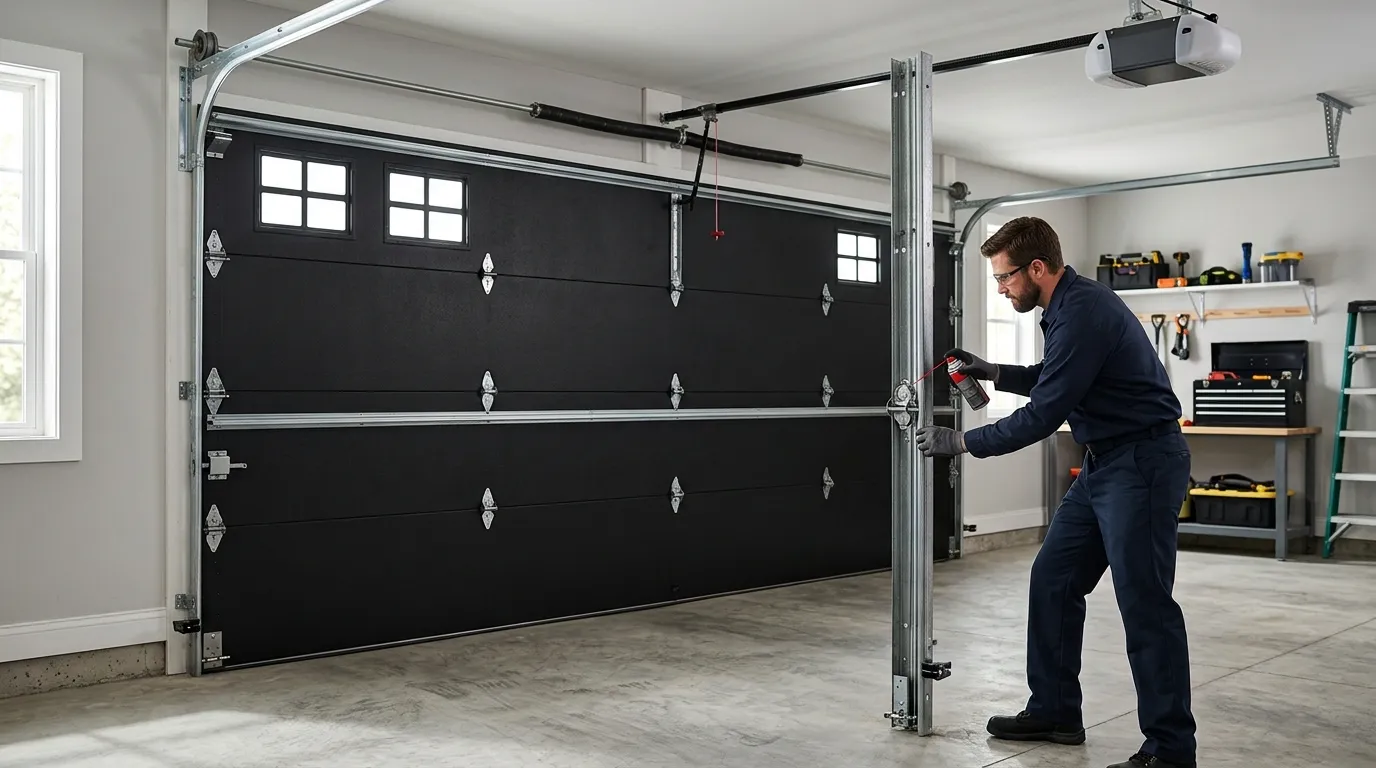
Tucson, AZ
Garage Door Service for Tucson's Heat-Worn Housing Stock
Tucson's severe summer heat and 1980s-2000s housing stock wear out garage door springs and openers fast. We service and repair both, across the Tucson area.
What we do
Garage door work in Tucson
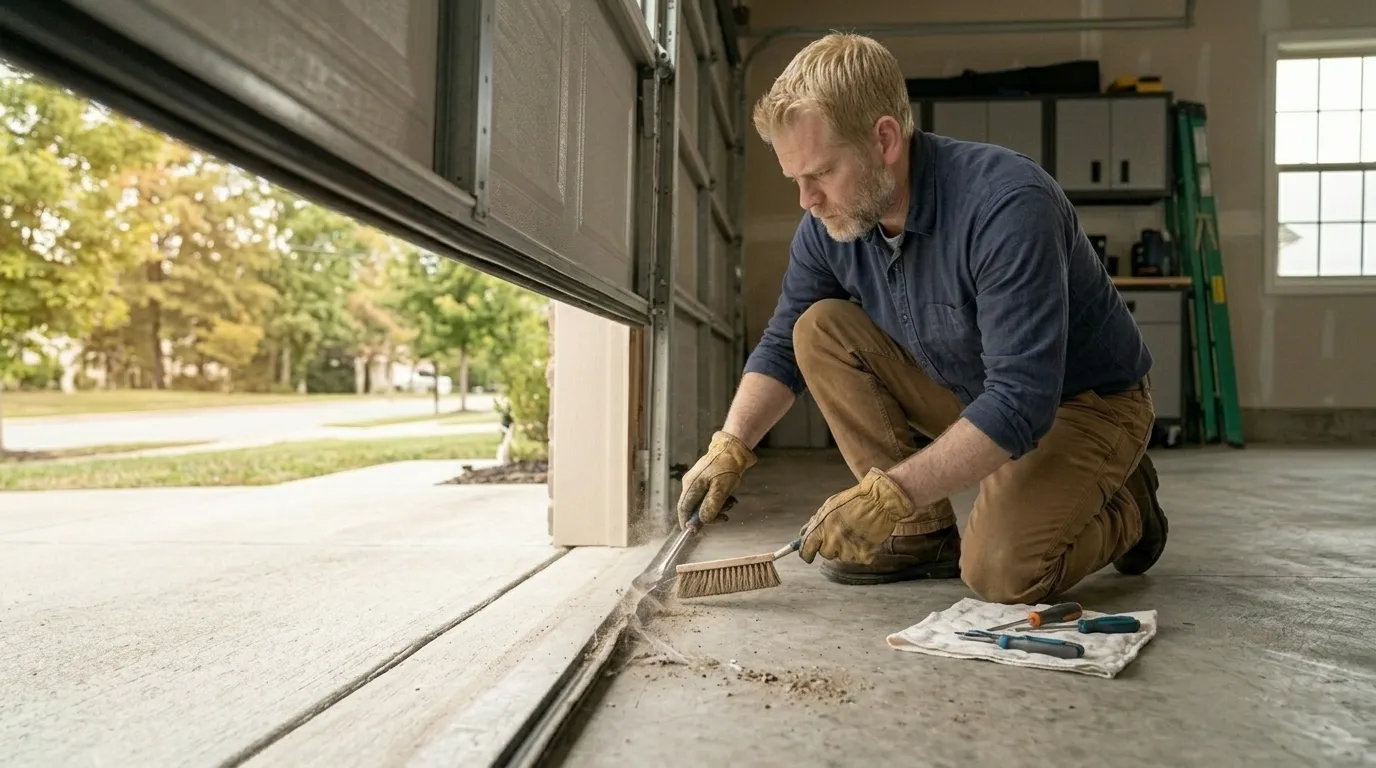
Garage Door Repair Built Around Tucson's Heat and Housing Stock
Garage door repair for Tucson homes built 1980-2007, where summer heat wears out openers and springs faster than cooler climates. Learn more →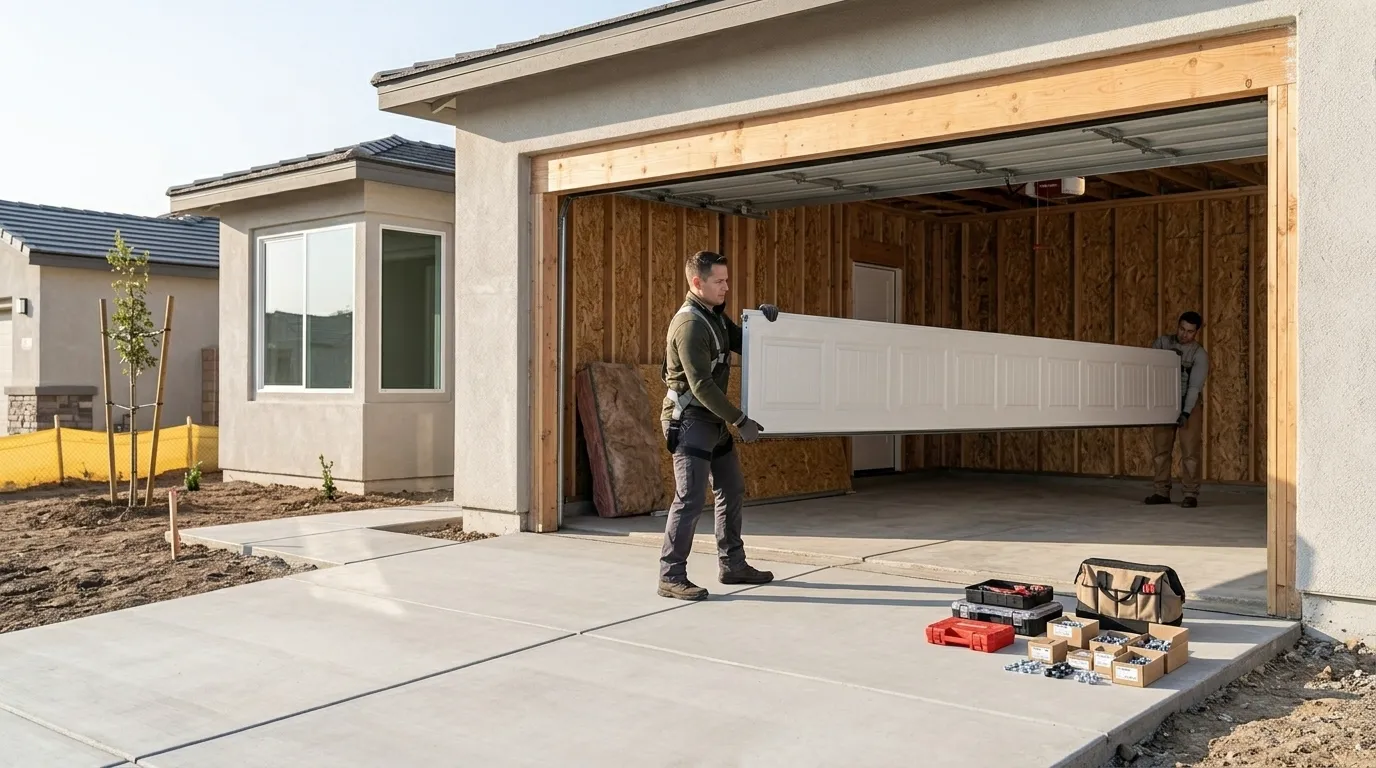
Garage Door Installation for Tucson Homes
New garage door installation in Tucson, AZ, sized for the pre-2007 housing stock and built for triple-digit desert heat. Learn more →Local detail
What Causes It Around Here
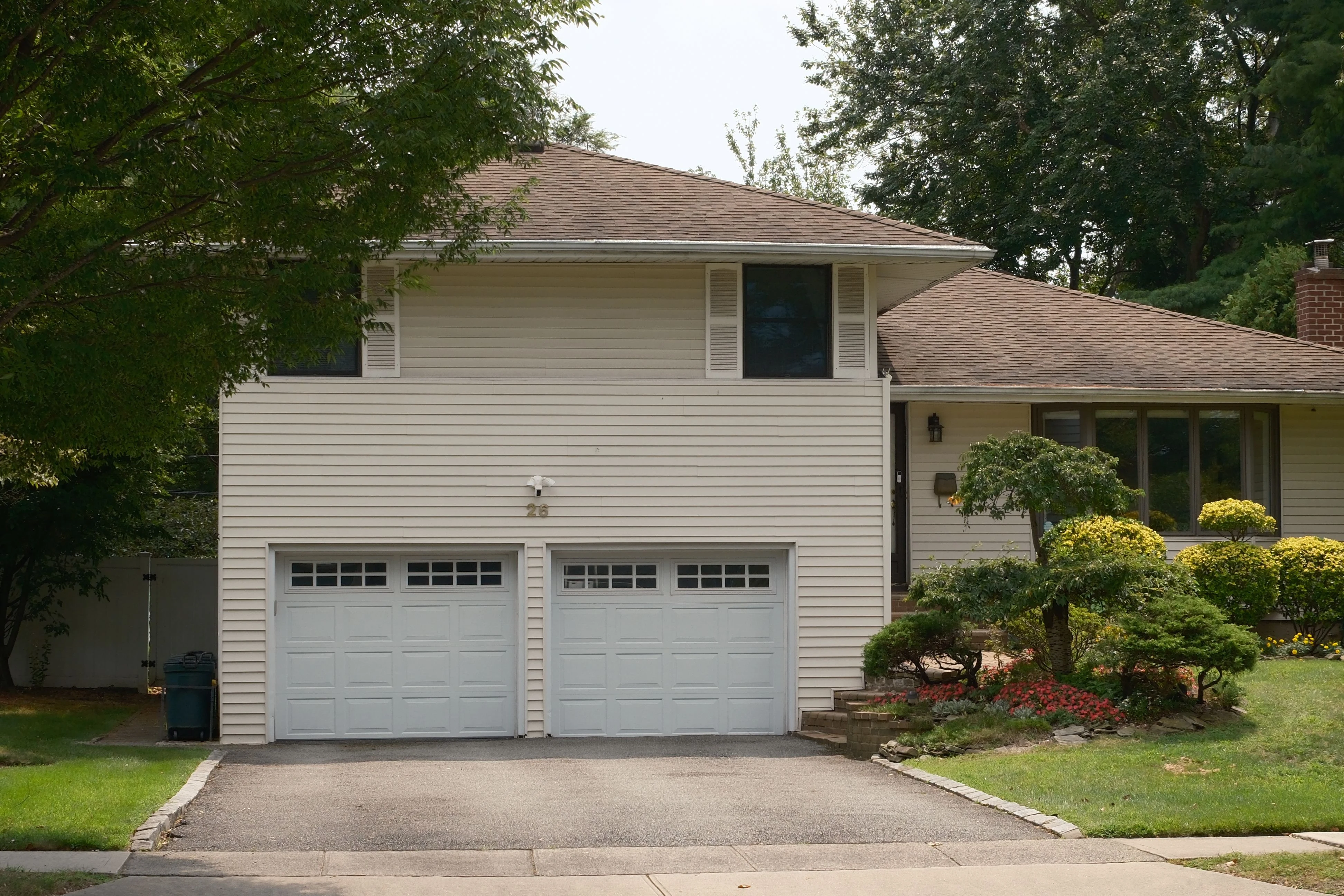
Most houses in the areas we cover went up between 1980 and 2007, with the typical build year sitting around 1986. Look across the eleven areas we service - Summit, Catalina Foothills, Drexel Heights, Tanque Verde, Flowing Wells, and the rest - and the stock leans hard into 1980s and 90s construction. That matters because those doors have spent thirty-plus summers in a climate band the government classifies as severe heat.
Heat is the actual failure driver, not age by itself. A torsion spring wound tight in a garage that hits triple digits every afternoon cycles through more expansion and contraction than the same spring would see in a mild climate, and the steel fatigues faster than the calendar suggests. Nylon rollers get brittle and crack. Lubricant on the track and hinges cooks off and turns gummy, so the door starts fighting the rail instead of riding it. Opener circuit boards, especially the ones original to a 1980s or 90s install, take a beating from heat inside a closed garage and fail years before a homeowner expects.
So when we get a call, the first thing we're thinking about isn't just what broke - it's how many summers that part has actually survived, and whether the rest of the hardware on that door is running on borrowed time too.
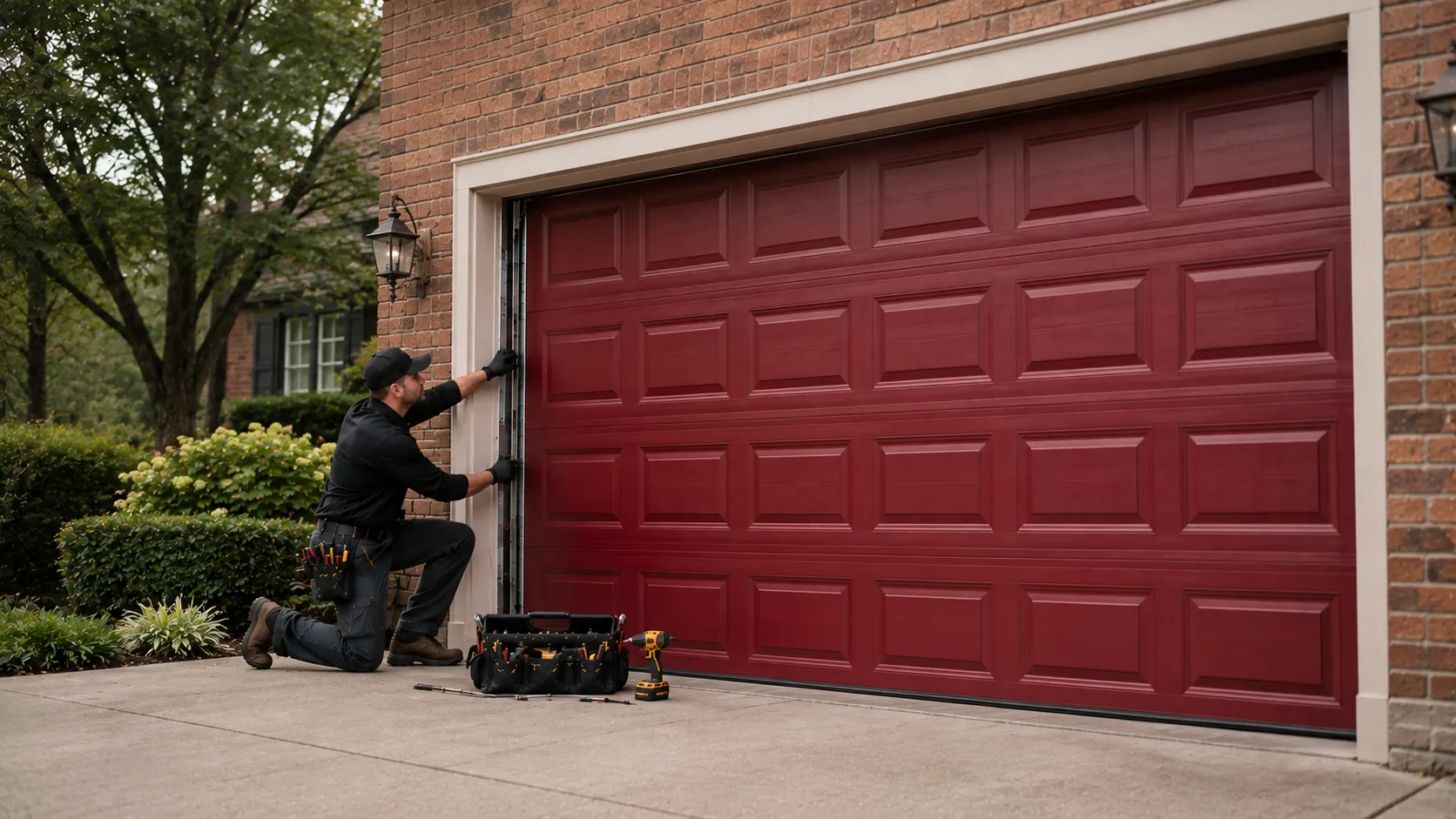
The area
Doing It Yourself
There's a fair amount you can check yourself before calling anyone. Wipe down the tracks and look for dried, cracked grease - a light coat of the right lubricant on the rollers and hinges is a five-minute job that actually extends the life of hardware baking in this heat. Watch the door for one full cycle and see if it hangs, jerks, or closes unevenly on one side. Listen for grinding, which usually means a roller has gone from worn to cracked.
What you shouldn't do yourself is touch the torsion spring. It's wound under enough tension to cause serious injury if it's released wrong, and that's true whether the spring is a year old or original to a house built in 1986. If your door won't open, or opens partway and stops, don't force it and don't start disassembling the spring system to see what's wrong. That's a call, not a project.
We'll be straight with you: we don't walk people through spring replacement over the phone, and we won't sell you a part to do it yourself. It's the one repair on a garage door where the cost of getting it wrong is a trip to the ER, not a redo.
What we find
How It Shows Up
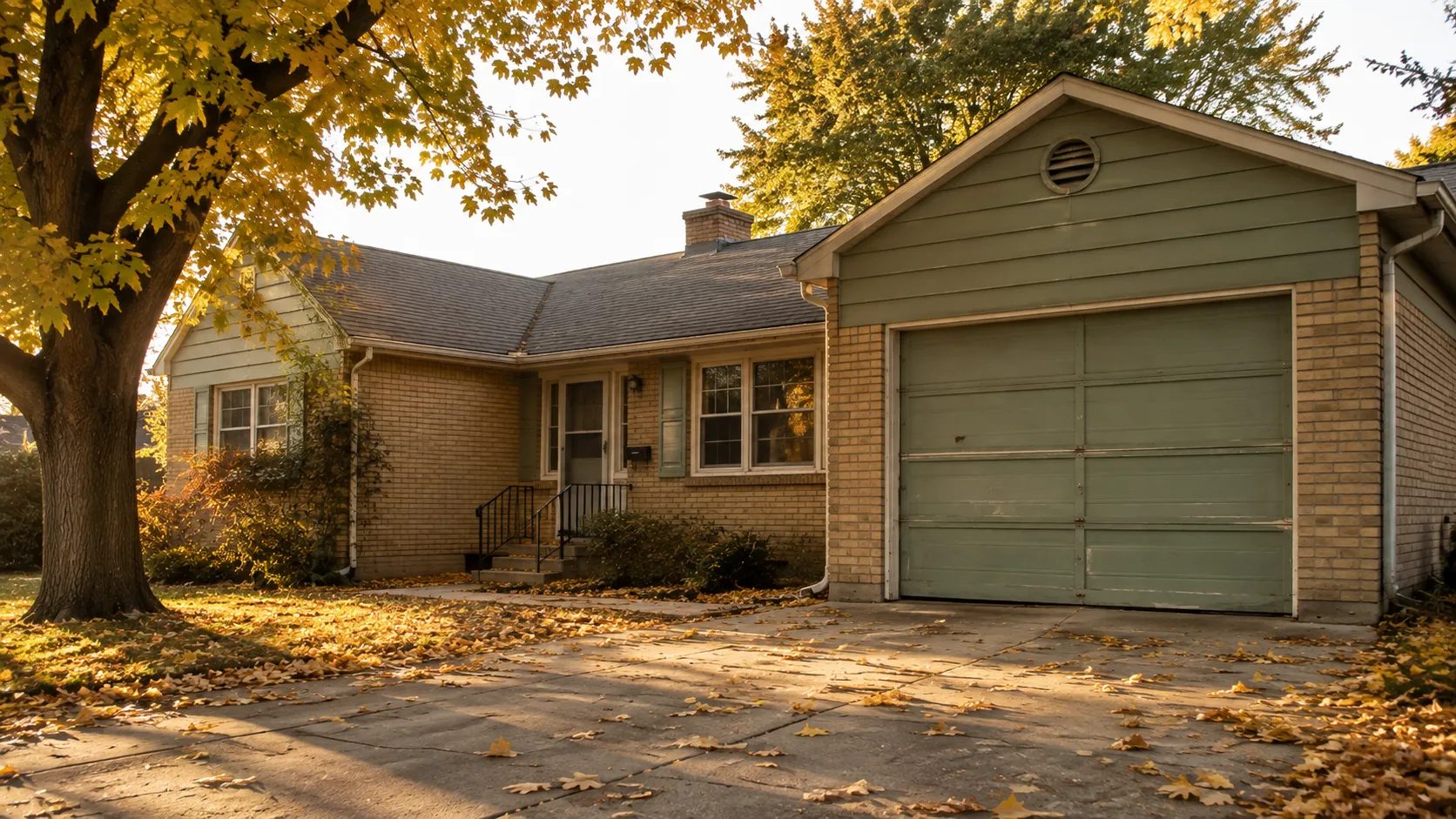
The most common thing we hear is that the door "used to be quiet" and now grinds or squeaks partway through its travel - that's usually a roller that's gone from stiff to cracked from years of heat exposure. Right behind that is a door that closes crooked, dropping faster on one side than the other, which points to uneven spring tension or a cable starting to fray.
Openers show their age differently. A unit original to a 1980s or 90s build often starts struggling specifically in the afternoon, once the garage has had all day to heat up - it'll open fine at 7am and hesitate or refuse by 4pm. That's a circuit board reacting to heat, and it tends to get worse before it fails outright.
Some owners notice it as a smell first - hot electrical component smell right after the door tries and fails to move. If that happens, stop trying to run the opener and get it looked at before a board that's already failing takes the motor with it.
How we work
How Long It Takes
A door with worn rollers or a single failed cable is usually a straightforward parts swap. A door where the torsion spring has fatigued out - common on hardware original to the 1980s and 90s builds that make up most of the housing stock here - takes longer, because we're also checking the drum, cable, and bearing plate the spring works against, since heat-fatigued springs often take a bearing plate down with them.
Openers are where scope varies the most. If the board on a 1980s-era unit has failed, we can't always repair that exact board - some of those circuit boards simply aren't made anymore, and the honest fix is a new opener rather than chasing a part that doesn't exist. That's not us upselling; it's what happens when a house's original 1980s hardware finally quits.
With a median household income of $90,758 across the service area and 65,148 owner-occupied houses out of 109,537 households, most of the calls we take are from an owner making that repair-or-replace call directly, not routing it through a landlord. We'll tell you straight which side of that line your door is on before we start.
Questions
Common questions
Why do garage door springs fail so much faster in Tucson than other places?
Torsion springs fatigue from repeated expansion and contraction, and Tucson's severe summer heat puts a garage-stored spring through more of that cycling per year than a spring in a milder climate sees. On hardware original to a house built in the 1980s or 90s, that adds up to a shorter working life than the spring's rated cycle count would suggest.
My opener only fails in the afternoon - is that a real problem or just heat?
It's a real problem, and heat is the cause. Circuit boards, especially original ones from a 1980s or 90s opener, can develop a fault that only shows up once the garage has heated up over the day. If it's hesitating or refusing to respond by late afternoon, get it checked before it fails outright.
Can I replace a garage door roller myself?
Yes, rollers are one of the safer DIY jobs on a garage door as long as the door is closed and the spring is under normal tension, not disconnected. Springs and cables are a different story - those carry enough stored tension to cause serious injury and aren't a homeowner repair.
Is it worth repairing an opener from the 1980s or should I replace it?
It depends on what failed. Some original circuit boards from that era aren't manufactured anymore, so a repair isn't always possible even if we wanted to do it. When the part doesn't exist, replacement is the only real option, and we'll tell you that plainly rather than charging for a repair we can't actually complete.
Ready when you are
Need a garage door sorted in Tucson?
Tucson Garage Door Pros repairs and installs garage doors, springs and openers in Tucson, AZ and the surrounding area.