
Guide
What's Actually Included When You Call Us Out
Tucson Garage Door Pros explains what a standard service call covers for homes built between 1980 and 2007, from spring checks to heat-worn opener parts.
Local detail
Doing Nothing For Now
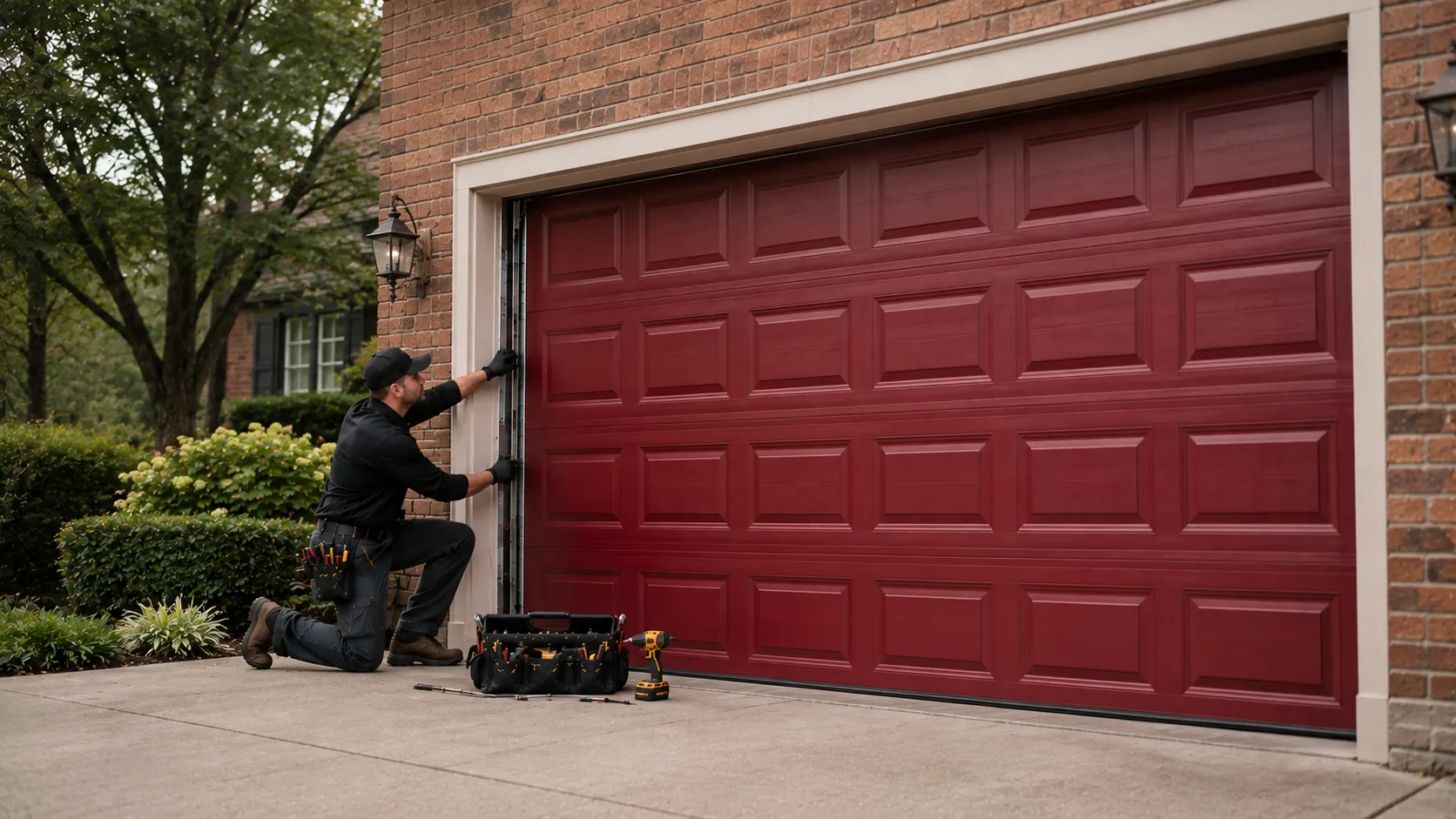
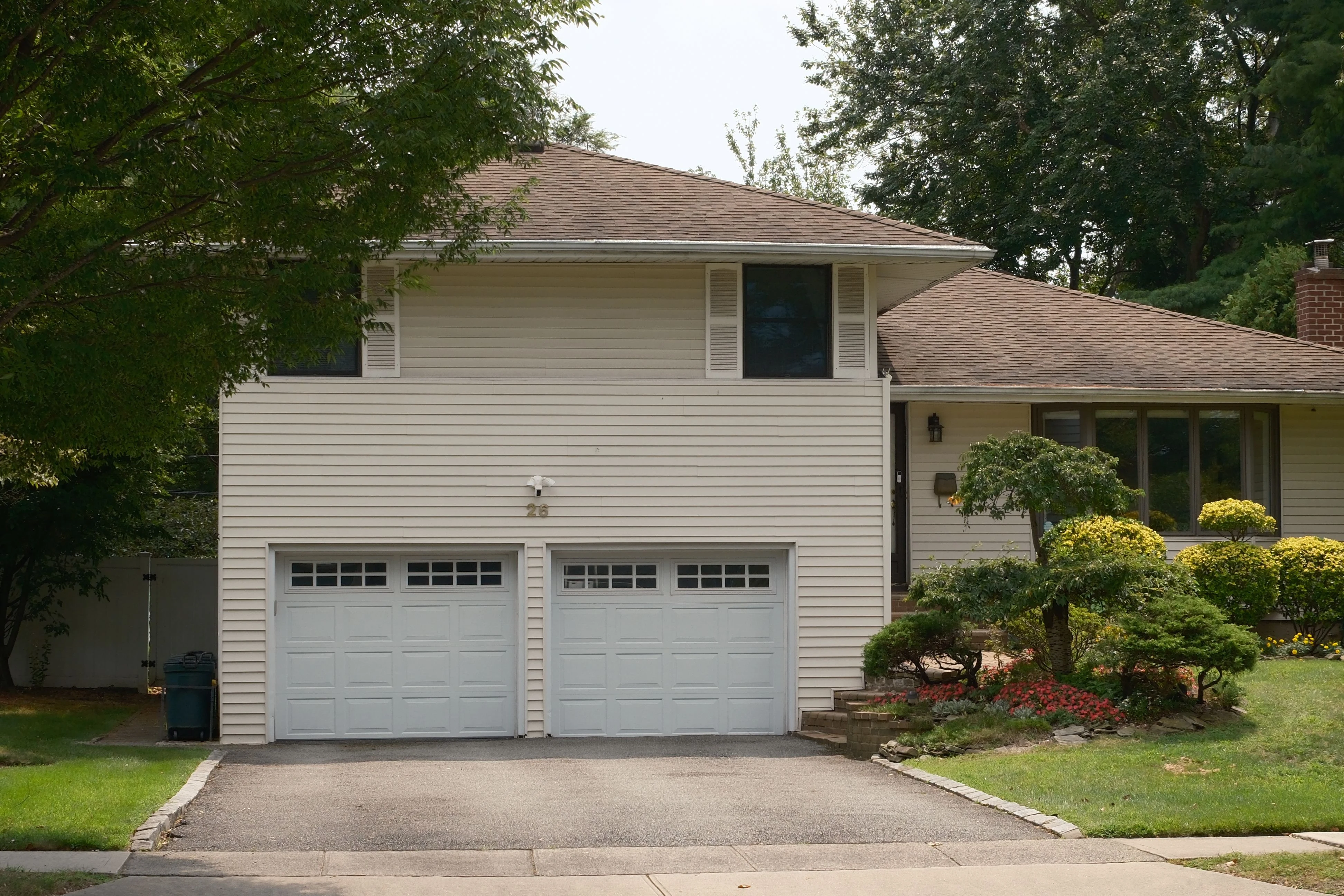
Not every noisy door needs a truck. If your opener chain slaps a little or a roller squeaks once in a while, that's not an emergency, and we'll tell you so on the phone before we ever schedule anything. A lot of the houses in this area were built between 1980 and 2007, median right around 1986, and hardware from that era can run for years past when it starts sounding rough as long as the spring itself is still intact.
What we won't do is talk you into a visit you don't need. If the door still opens smooth, closes flush, and the spring isn't visibly gapped, waiting costs you nothing. Where waiting does cost you something is once a torsion spring shows a crack or the cable starts fraying at the drum â€" at that point the delay isn't saving money, it's just moving the failure to a worse moment, usually when the door's stuck halfway with a car under it. Our honest limitation here: we can't diagnose a spring's exact remaining life over the phone. If you want a real answer instead of a guess, that takes someone standing in front of the door.
The area
The Situation
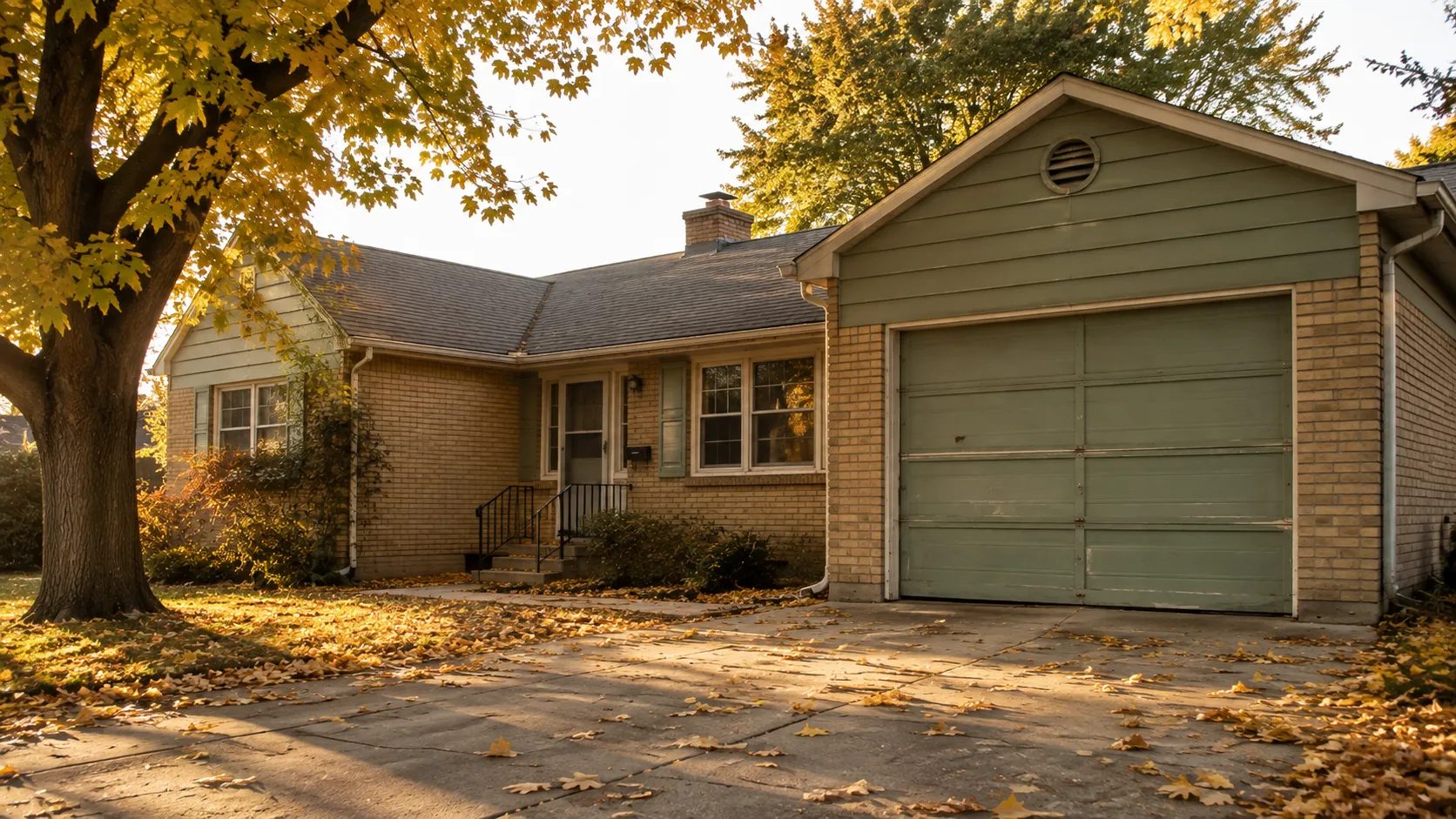
We cover a service area built out mostly in one long stretch â€" 1980 through 2007, with the bulk of it 1980s and 90s stock across the eleven areas we run trucks to, from Summit and Catalina Foothills out to Drexel Heights, Tanque Verde, Flowing Wells, Vail, Valencia West, Corona de Tucson, Tucson Estates, Casas Adobes, and Sahuarita. That matters more than it sounds like it should: a neighborhood built in one wave means the springs, openers, and tracks in it were all installed within a few years of each other, and they tend to wear out in the same rough window too.
With about 65,148 owner-occupied houses among 109,537 households in the area, and a median household income of $90,758, we see a fairly consistent pattern in what people ask for â€" full opener replacement more often than a patched-up repair, because most owners here would rather pay once for a new unit than keep replacing gears on a 20-year-old one. That's not true everywhere; it's what we see in this market specifically.
What we find
What Local Conditions Do
Tucson sits in a severe heat band, and that's not a small detail for a garage door. Summer heat soaked into a slab and a metal door skin for hours does two things: it dries out lubricant on rollers and hinges faster than the manufacturer's service interval assumes, and it puts extra tension swings on torsion springs as the steel expands and contracts through a 40-plus degree daily range between a hot afternoon and a cooler early morning.
On the 1980s and 90s doors that make up most of what we see, the foam-core insulation was rated for a different climate assumption than what these panels actually sit through year after year. Over enough summers that foam can separate from the steel skin, and once it does, the panel warps slightly and the door stops sealing at the bottom â€" you'll notice it as a door that used to close flush now leaving a gap. Nylon gears inside older chain-drive openers also get brittle faster under sustained heat, which is one of the more common reasons we replace a whole opener instead of just a gear kit.
How we work
When It Stops Being a DIY Job
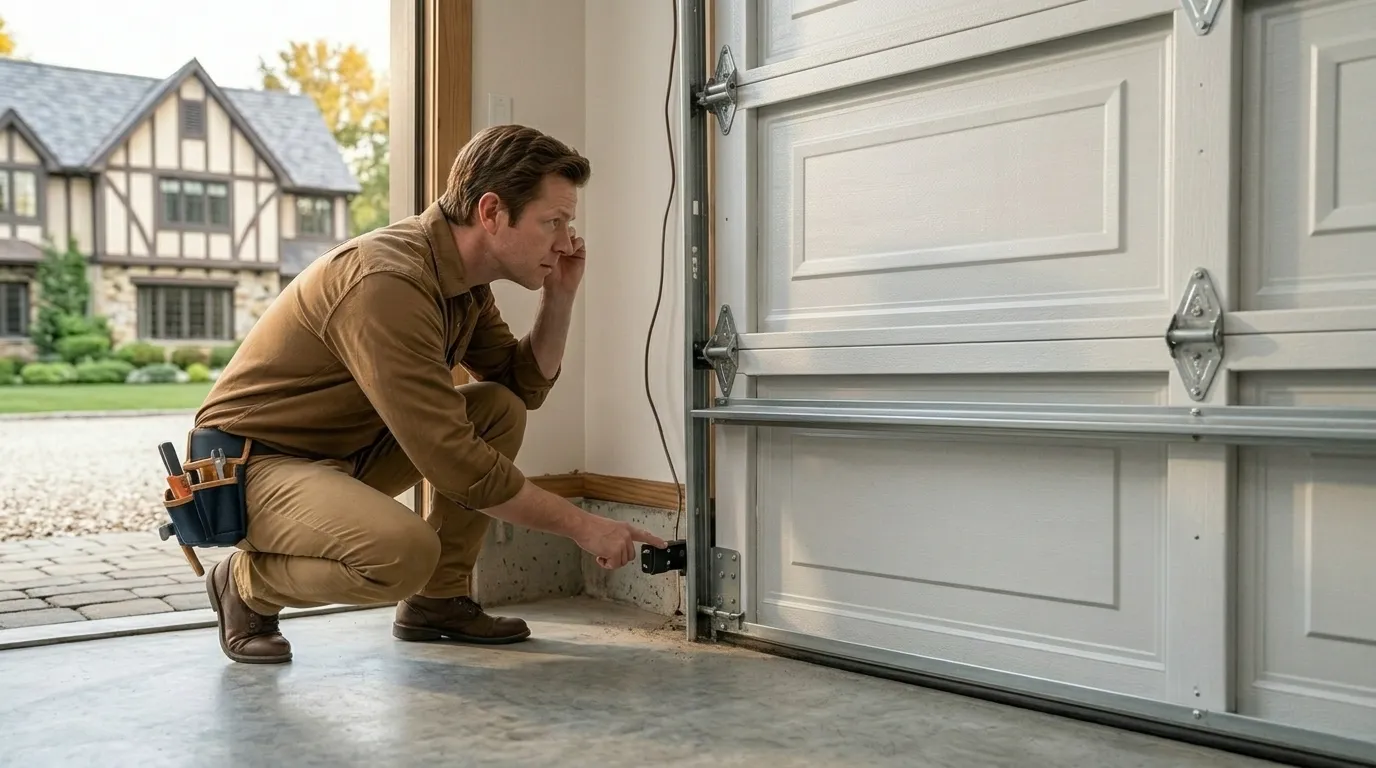
A torsion spring under tension is not a weekend project, full stop, regardless of how confident the YouTube video looked. If a spring has snapped, or you can see daylight through a gap in a coil, that's a call, not a repair kit. Same goes for a cable that's frayed at the drum end â€" both sides of a double door usually fail close together on original hardware from this era, so if one side's cable looks worn, expect the other to follow within a season, especially given the extra load swings from the heat here.
Where it's still fine to handle yourself: lubricating rollers and hinges on a schedule, tightening loose bolts on the track brackets, testing the auto-reverse safety feature by hand. Where it isn't: anything involving the spring, the cable drums, or removing the bottom bracket while the door's in the closed position, since that bracket holds cable tension. If you're not sure which category your problem falls into, that uncertainty itself is a reasonable enough reason to have someone look at it before you touch it.
Questions
Common questions
How often should I get my garage door serviced in Tucson?
There's no fixed rule that fits every door, but given how much heat exposure pushes on hardware here, an annual check of the spring, cables, and rollers catches most problems before they become an after-hours call. Doors on original 1980s-2000s hardware benefit from more frequent lubrication than the manual usually suggests.
Why does my opener gear keep stripping?
On chain-drive openers from the 1980s and 90s, the internal gear is often nylon, and sustained heat exposure makes that material more brittle over time. Once it strips once, it tends to strip again under the same load, which is why we usually recommend replacing the opener rather than the gear alone on units this old.
Can I replace a torsion spring myself?
We'd rather you didn't. A torsion spring holds enough stored tension to cause serious injury if it releases wrong, and the tools to wind it safely aren't something most homeowners have on hand. This is one job where the labor is the safety margin, not just the convenience.
Do you cover areas outside the main service radius?
We run trucks across the area including Summit, Catalina Foothills, Drexel Heights, Tanque Verde, Flowing Wells, Vail, Valencia West, Corona de Tucson, Tucson Estates, Casas Adobes, and Sahuarita. If you're not sure whether your address falls in range, give us a call and we'll tell you straight.
Ready when you are
Need a garage door sorted in Tucson?
Tucson Garage Door Pros repairs and installs garage doors, springs and openers in Tucson, AZ and the surrounding area.