
Guide
What That Noise Is Actually Telling You
Tucson homes built mostly between 1980 and 2007 run into specific spring and track wear from summer heat. Here's what each noise tells you before it becomes a call.
Local detail
Doing Nothing For Now
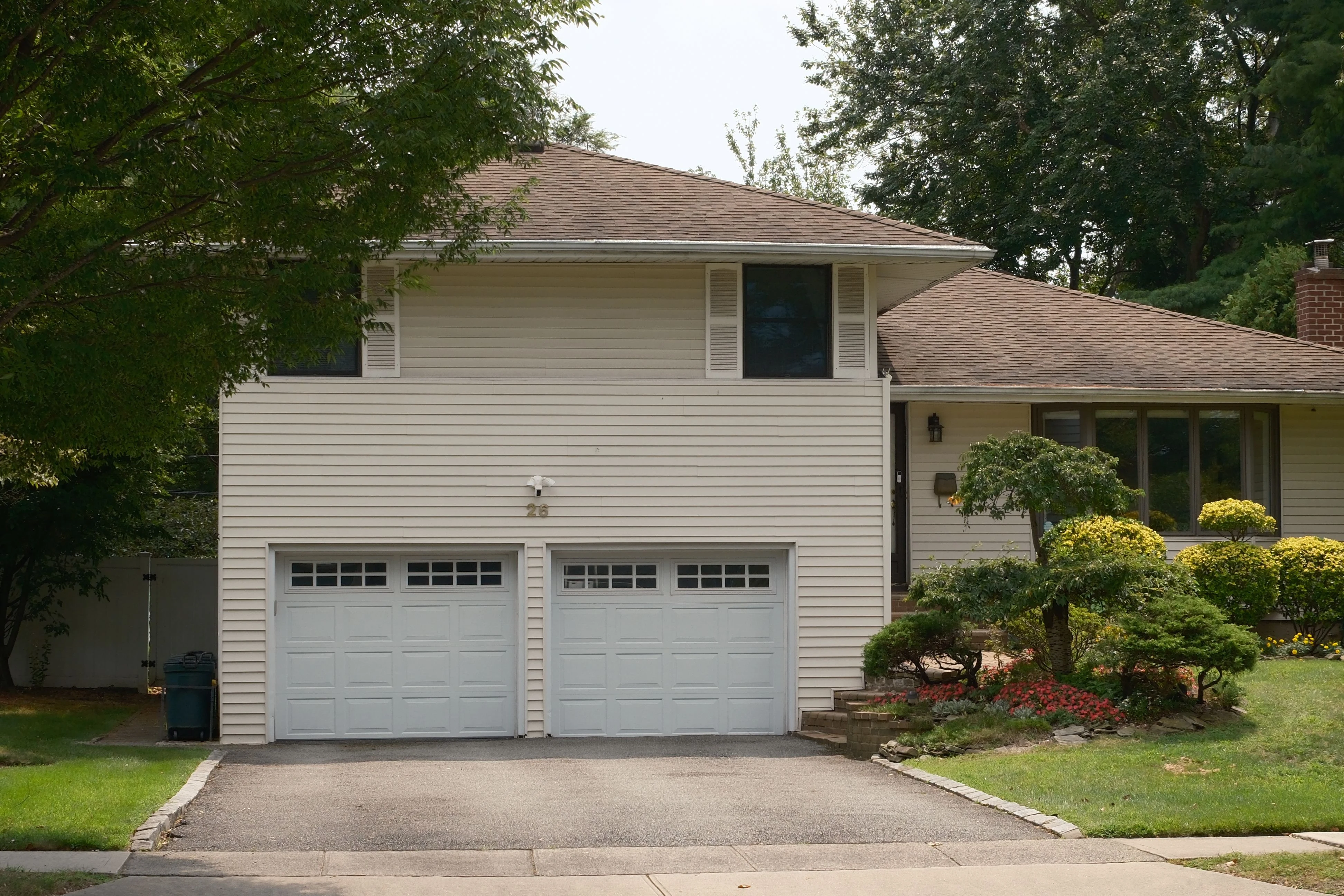
A lot of noises are fine to leave alone for a while. A door that's had the same intermittent squeak for six months and hasn't gotten louder is probably just a dry hinge or roller, not a sign anything's about to fail. Most houses in this service area went up between 1980 and 2007, with the median build year around 1986, so a huge share of doors out there are original or one replacement removed from original - meaning a lot of them are simply old and a little noisy without being dangerous.
If the noise happens once, at the same point in the cycle, every single time, and it's not getting worse, you can usually wait. Write down when it happens - top of travel, bottom, right as the opener kicks in - because that detail is the first thing worth having if you do end up calling someone. Chasing every small sound with a service call isn't worth the money, and that's an honest limitation of this page: we can't tell you exactly what's wrong without seeing the door move.
The area
The Situation
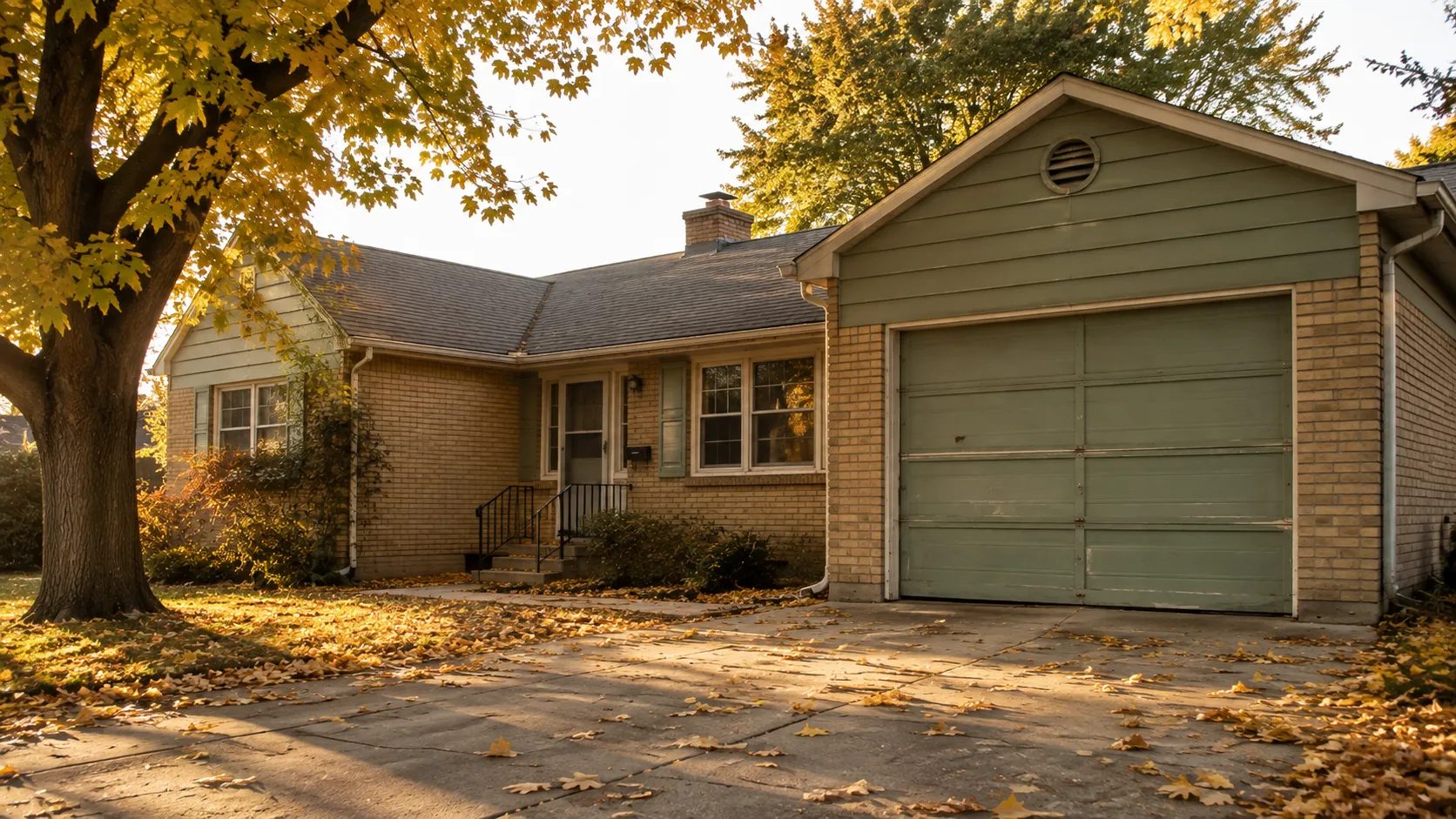
With roughly 65,148 owner-occupied houses in the wider service area and most of that stock dating to the 1980s and 90s across the eleven main neighborhoods we work in, a lot of garage doors here are past the point where lubrication fixes things. Original torsion springs from a mid-1980s build are well past their cycle life by now, and a spring that's tired doesn't always break clean - it starts making a rhythmic, grinding creak on the way up, different from the sharp bang of a spring actually letting go.
Openers from that era, if they haven't been swapped, tend to have worn drive gears rather than worn springs, which sound different again: a slapping or clacking near the motor head rather than at the door itself. Knowing roughly how old your door and opener are - even just knowing your house is a 1986-ish build like a lot of the area - narrows down what's likely making the noise before anyone even shows up.
What we find
What Local Conditions Do
Tucson sits in a severe heat band, and that matters more for garage doors than people expect. Steel expands and contracts hard across a hot afternoon and a cool desert night, and tracks that were bolted true in 1986 shift slightly over decades of that cycle. A rattling or scraping sound as the door travels, especially one that's worse in the first run of the day, often points to a track that's worked slightly out of alignment from years of thermal movement rather than anything wrong with the springs or opener.
Heat also dries out lubricant fast. A roller or hinge that got greased in spring can be bone dry by the peak of summer, and that shows up as a squeal that wasn't there a few months earlier. This is one of the more honest local differences: a door in a milder climate might go years between lube jobs, but severe heat here means moving parts dry out faster and start talking sooner. If your noise is worse on hot days specifically, that's a real clue, not a coincidence.
How we work
When It Stops Being a DIY Job
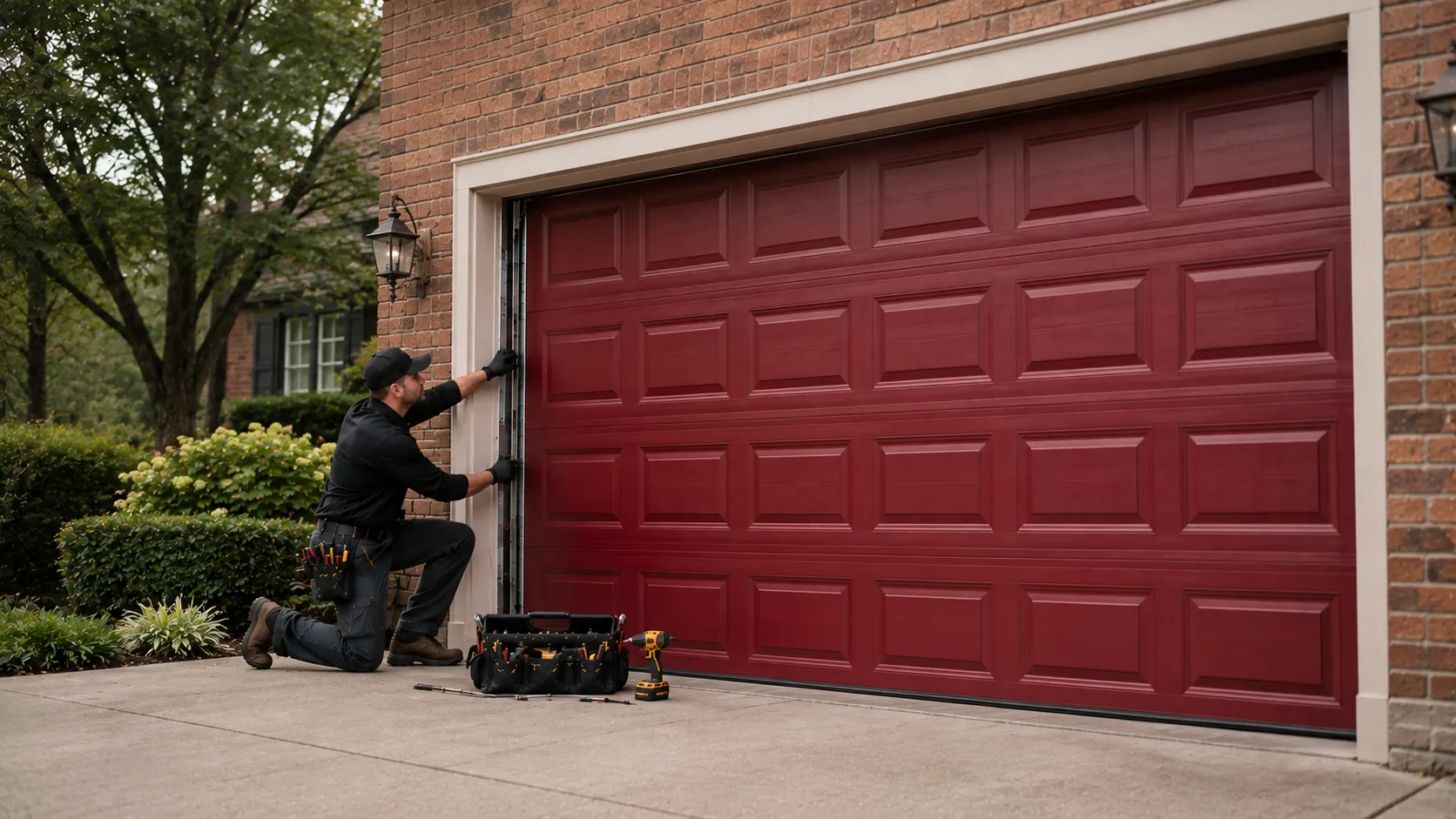
A sharp bang, followed by the door refusing to move or moving unevenly, is a spring that's let go - on a door this old, likely one that was already near end of life given how much of the local stock dates to the 1980s and 90s. That's not a tighten-a-bolt fix. Torsion springs are under enough stored tension to hurt someone badly, and that's the line where this stops being a homeowner project regardless of how handy you are.
Grinding that's gotten steadily louder over weeks, a cable that looks frayed or has come off its drum, or a track that's visibly bent rather than just loose - those all mean stop using the door and get it looked at. Given the median household income in this area sits around $90,758, replacement is often on the table financially when a door is old enough that fixing one part just exposes the next one failing, and that's worth weighing honestly rather than sinking money into a door built the same year the house was.
Questions
Common questions
My garage door makes a loud bang and won't open anymore. What happened?
That's almost always a broken torsion spring, and it's common on doors from the 1980s and 90s stock that makes up most of this area, since original springs are long past their cycle life. Don't try to force the door open or closed. This is a job that needs the right bars and clamps, not a DIY fix, given how much tension is stored in the spring.
Why is my door louder in summer than winter?
Tucson's summer heat is severe enough to dry out lubricant fast and to expand and contract the steel track daily, which can nudge alignment out over years. A squeal or scrape that shows up worse on hot afternoons is usually pointing to dry rollers or a slightly shifted track rather than a new problem.
Is a squeaky door safe to keep using?
Usually, yes, if the noise is consistent and not getting louder. A steady squeak from a dry hinge or roller isn't a safety issue. A grinding sound that's changing week to week, or any bang followed by the door binding, is different - that's when to stop using it and get it checked.
How do I know if my house has an original garage door?
If your house was built in the 1980s or 90s, like most of the stock in this area, and the door and opener have never been replaced, you're likely running original or near-original hardware. That age alone is a reason to take grinding or banging seriously rather than waiting it out.
Ready when you are
Need a garage door sorted in Tucson?
Tucson Garage Door Pros repairs and installs garage doors, springs and openers in Tucson, AZ and the surrounding area.