
Obsolete parts need adaptation
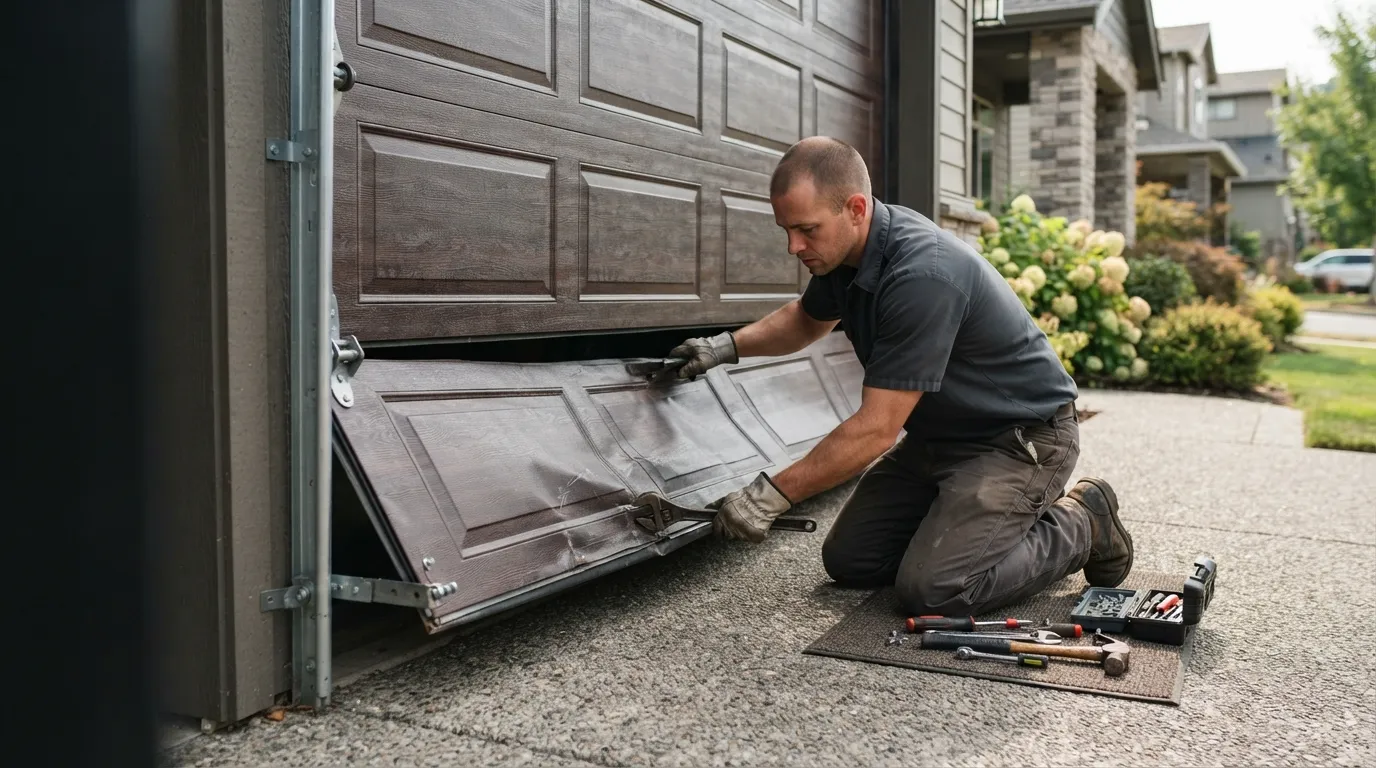
What takes longer is matching parts to hardware from a house this old - some of it isn't made anymore, and we sometimes have to adapt a modern part to an older track or bracket rather than find an exact match.
Casas Adobes, Tucson
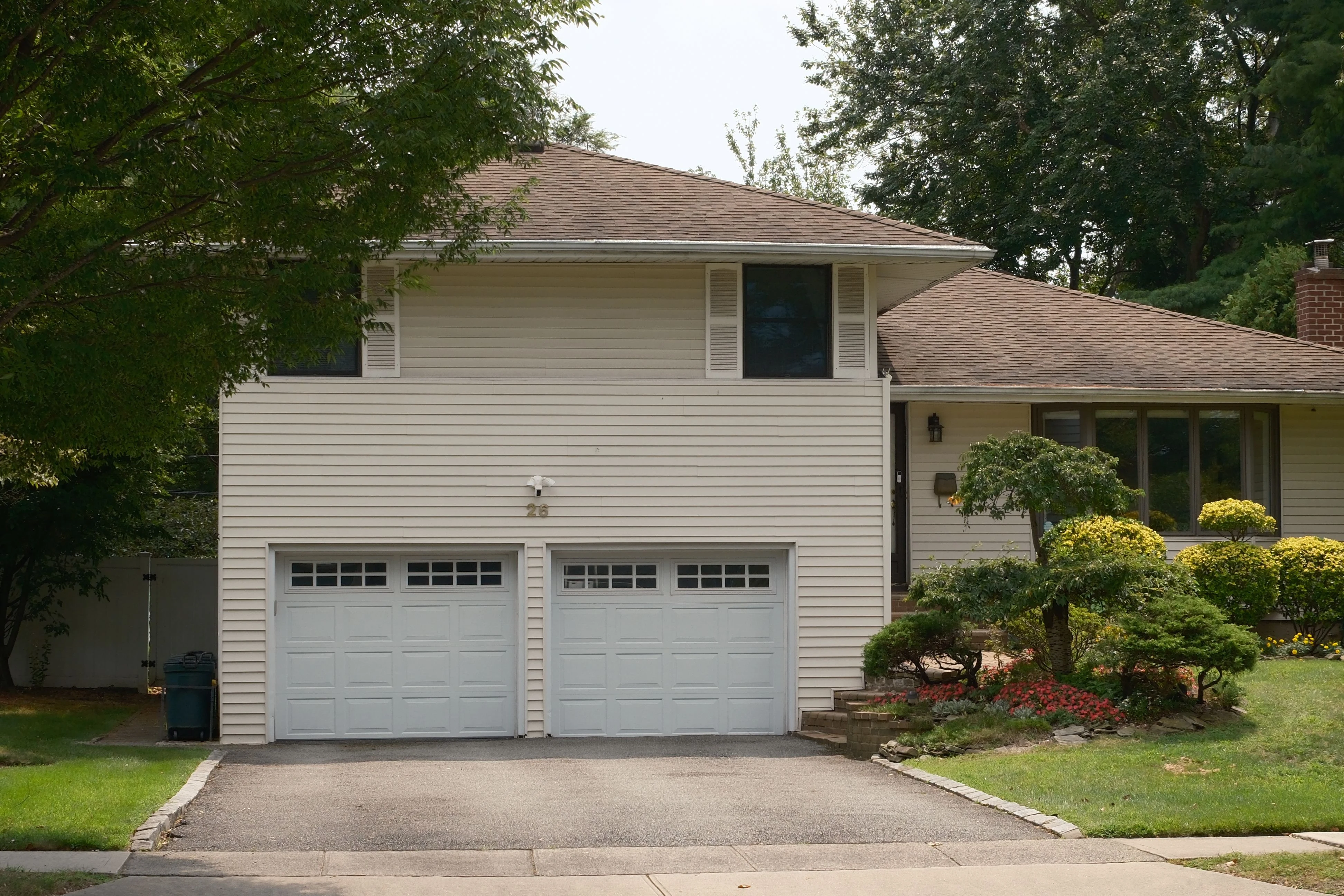
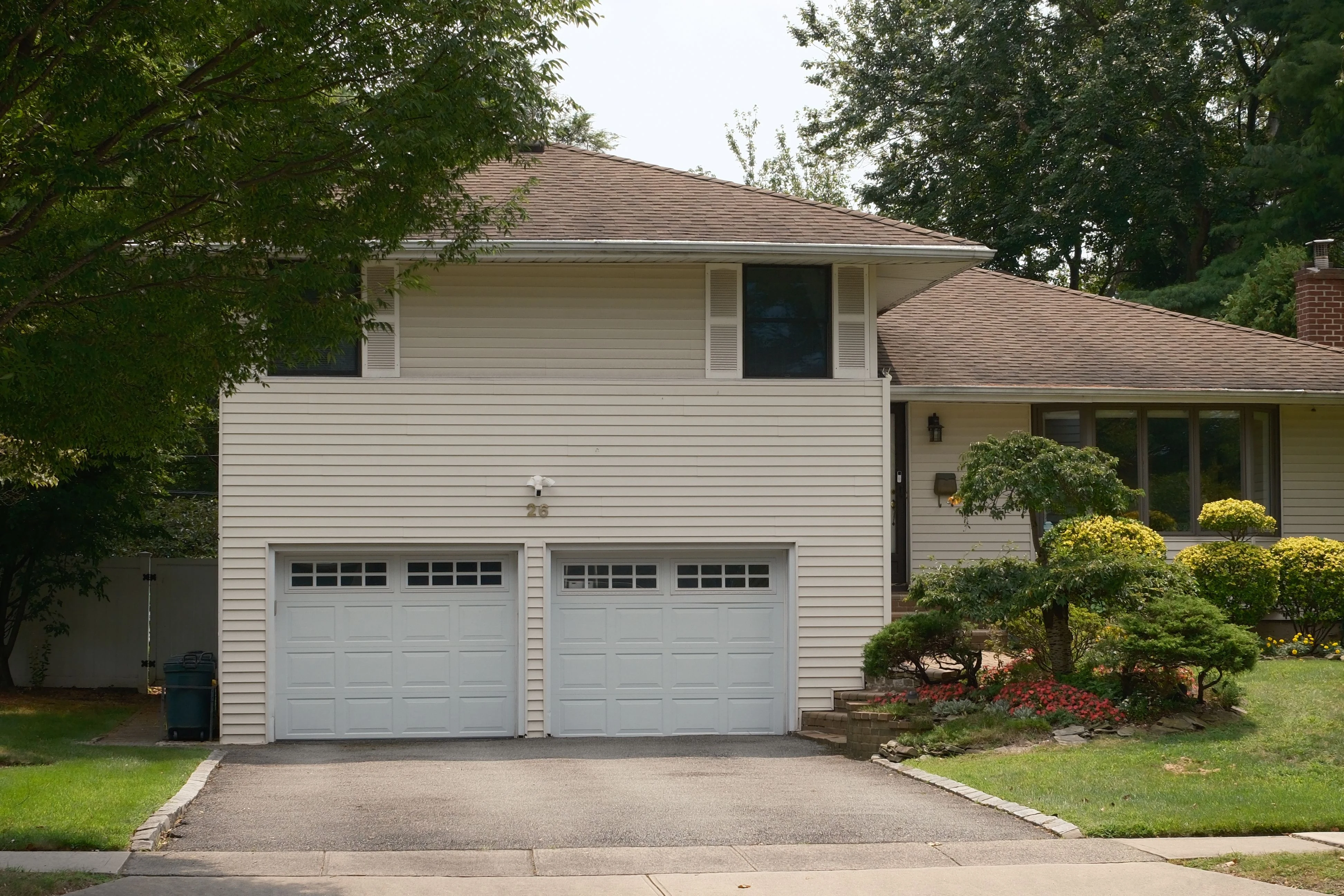
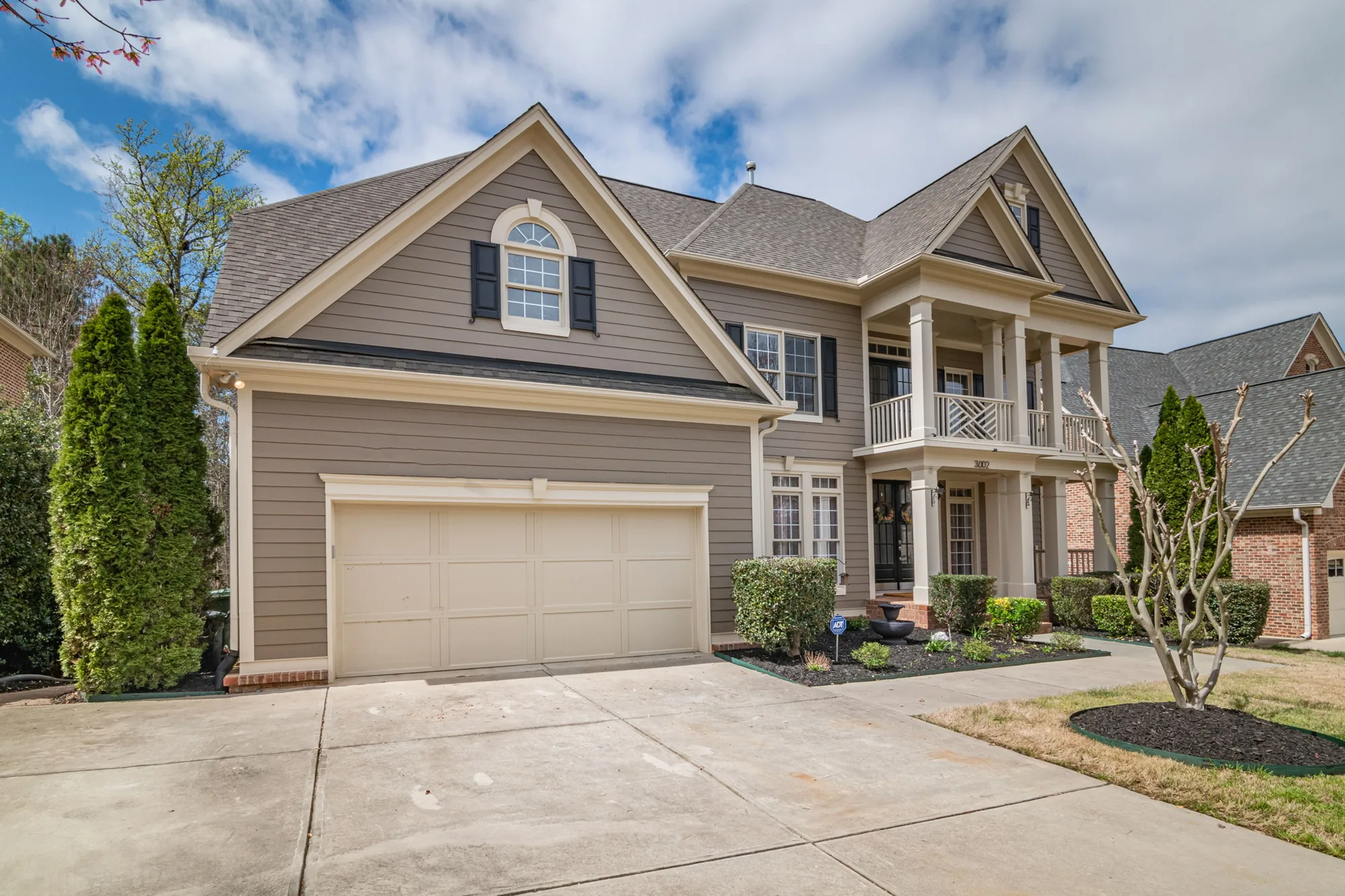
Casas Adobes homes date mostly to the mid-1980s. That means original torsion hardware and openers still running on 35-plus-year-old parts. We diagnose and fix them.
Local causes
Casas Adobes sits about 15 miles from our Tucson shop, and the houses out here mostly went up in the 1980s and 90s, with a median build year of 1986. That's the number that matters more than anything else on this page, because it tells us what's still in the garage. A door and opener installed when a house was built in the mid-80s is now pushing 40 years old, and a lot of that original hardware was never swapped out - just serviced around, or ignored until it failed outright. Torsion springs from that era are usually long gone, but the tracks, the drums, and sometimes the opener motor itself can still be the same units the builder put in. Add in the severe heat this area sits under, and you get metal that expands and contracts every single day, year after year, on hardware that was never designed to run this long. That combination - original-era parts plus decades of heat cycling - is the root of most of the repair calls we take from this side of town.
Watch-outs
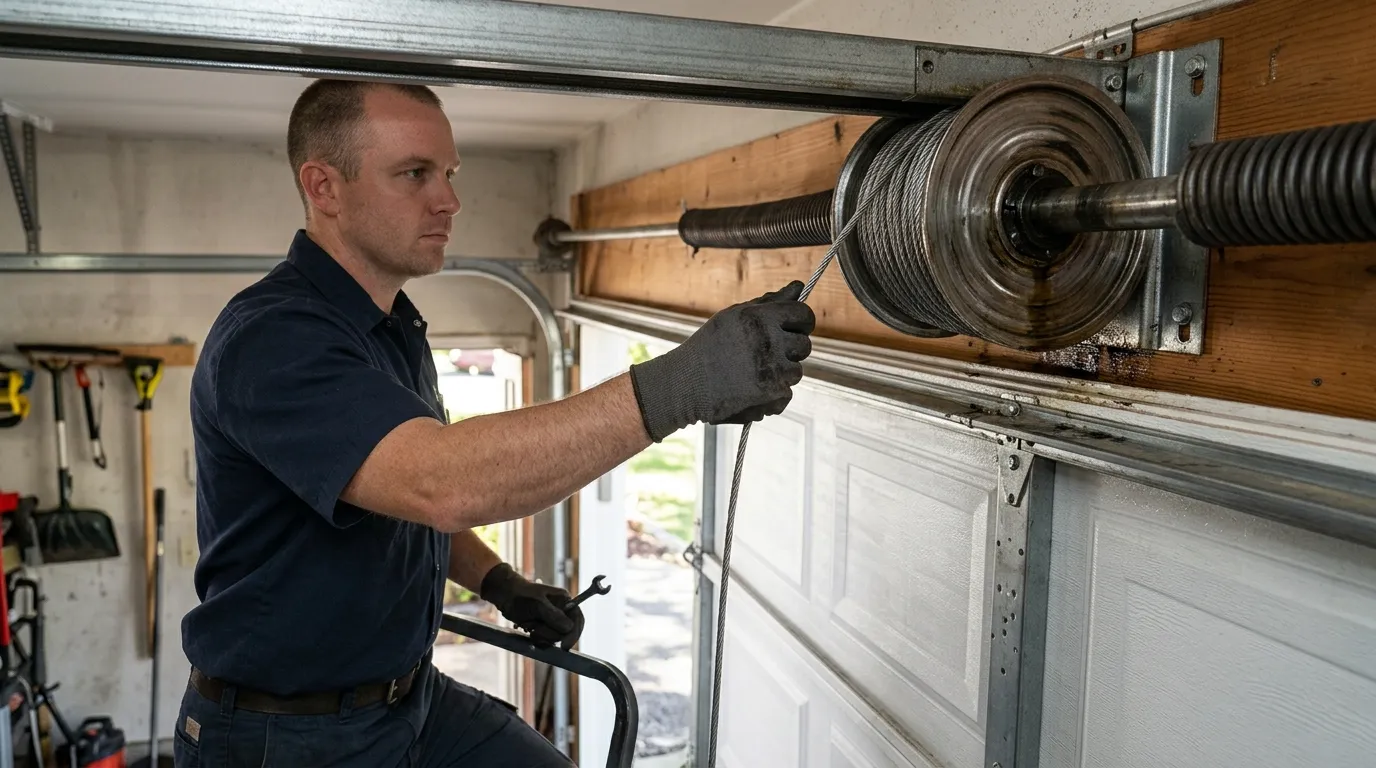
On a house from the 1986 build era, the most common failure is a torsion spring that's already been replaced once and is now on its second or third life, snapping without warning. Right behind that: nylon rollers gone brittle from heat, cracked and grinding in the track instead of rolling. Openers from this vintage - if they're original - often have drive gears worn down to dust, or logic boards that just stop responding. Cables fray at the anchor points from decades of the same load cycle. None of this is unique to one house; it's what happens across a neighborhood where most garages were built inside the same 20-year window and nobody's touched the hardware since.
The repair
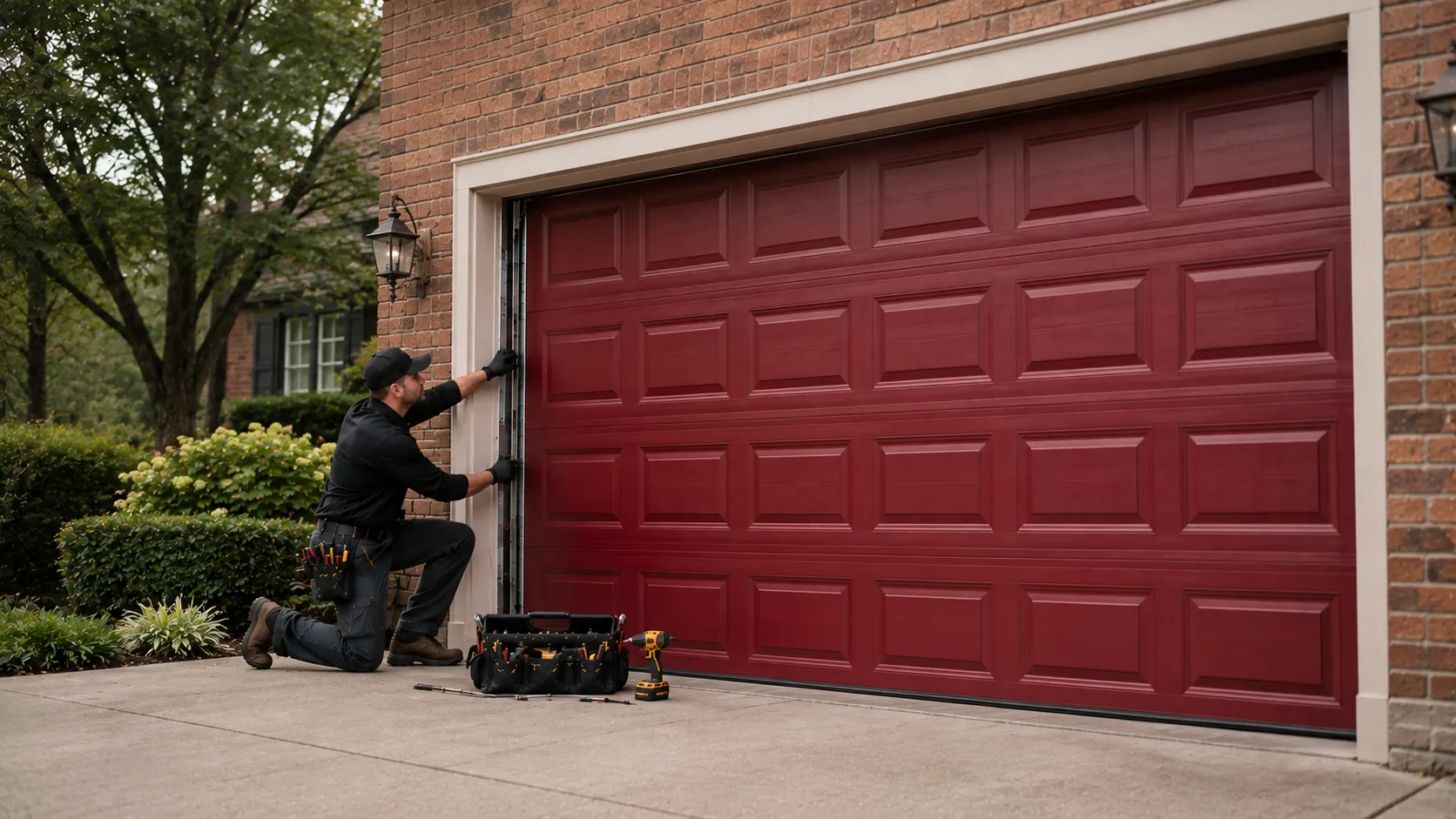
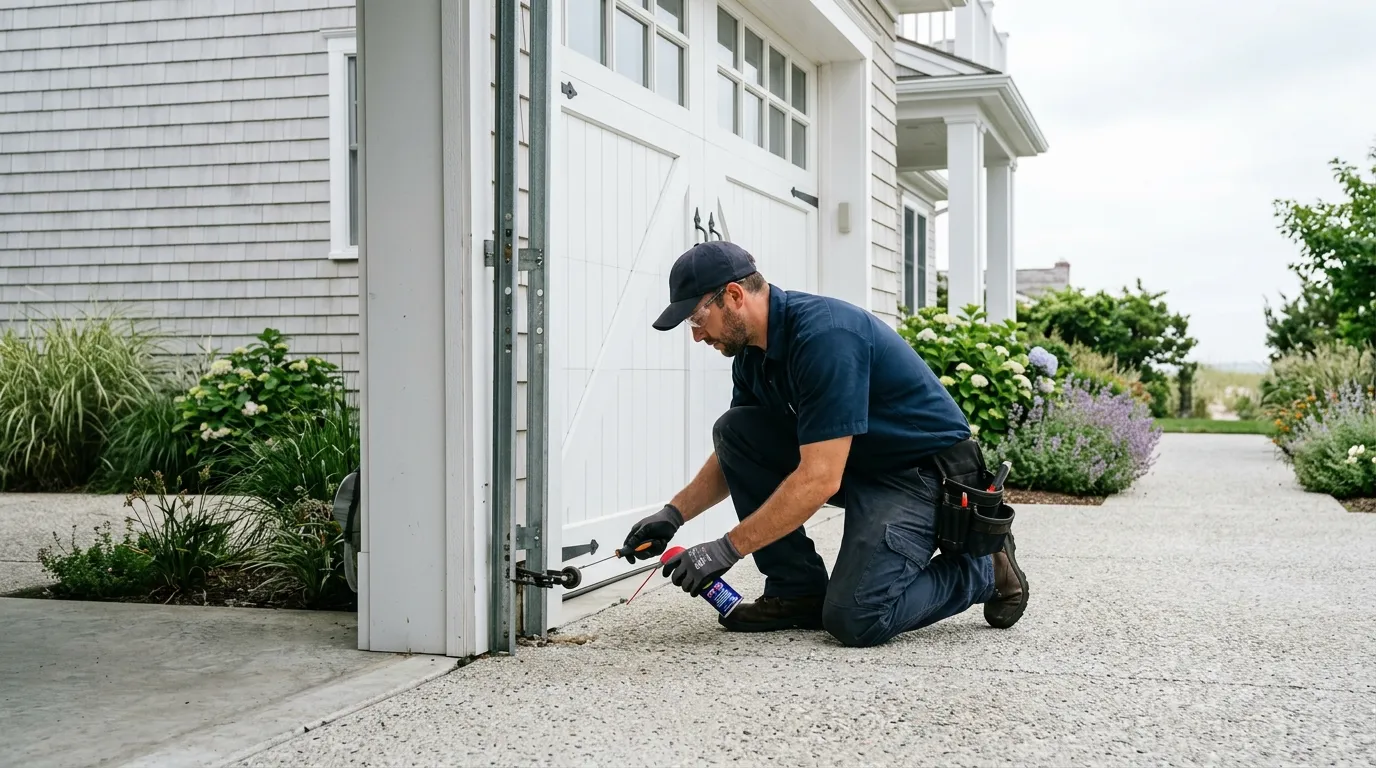
Most of what we do on these calls is straightforward once we're looking at the door: spring replacement, roller swap, cable work, or an opener that needs a new motor or logic board rather than a full teardown.
What takes longer is matching parts to hardware from a house this old - some of it isn't made anymore, and we sometimes have to adapt a modern part to an older track or bracket rather than find an exact match.
That's a real limitation. If a door's structure or track system is too far gone or too outdated to safely retrofit, we'll tell you that replacement is the better call rather than billing you for a patch job that won't hold.
Warning signs
You'll usually notice it before it fails completely. The door hesitates on the way up, especially on a hot afternoon, or it drops the last foot instead of settling.
The opener grinds louder than it used to, or the remote works some days and not others.
If it's a spring, you'll likely hear the bang first - a loud pop from the garage, and then the door refuses to lift more than a few inches, or the opener strains and reverses itself. Any of that is worth a call before you try to force it open by hand.
Booking
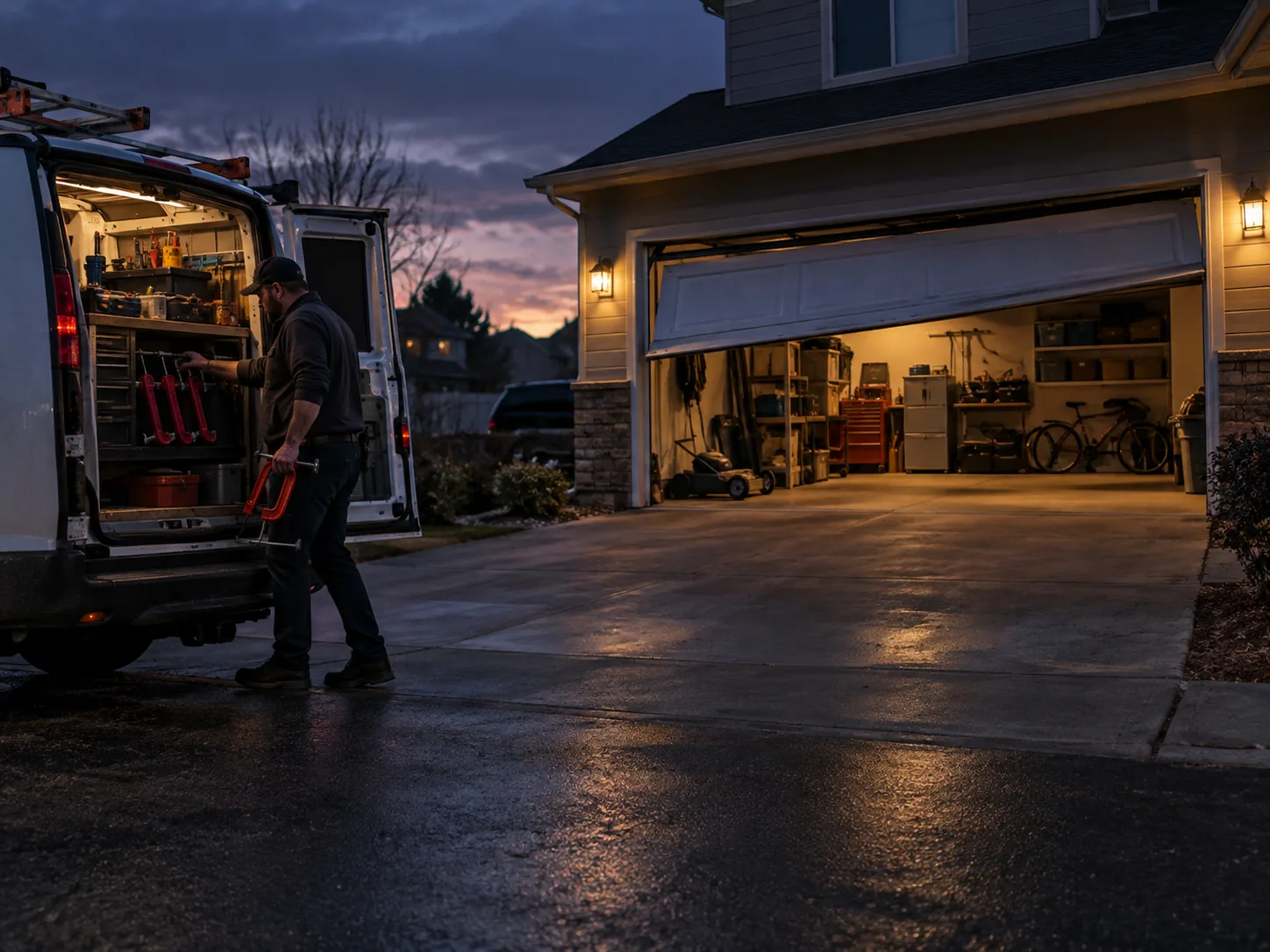
We come out from Tucson to handle jobs in Casas Adobes, so we'll get a rundown of the problem over the phone first - what the door's doing, roughly how old the opener is, whether it's a single or double door - so the truck that shows up has the right parts on it. We don't run a branch out here, just a service route from the shop, so having those details ready before we head out saves a second trip.
On the truck
We carry the parts that fail most on houses from this build era: torsion springs in common residential sizes, nylon and steel rollers, cables, and openers that cover the drive types typically installed through the 80s and 90s. What we can't always stock is an exact match for an original bracket or track from a specific builder run - for that we sometimes adapt current hardware to fit, and we'll walk you through that before any work starts, not after.
Questions
Most houses here were built around 1986, so if the door and opener haven't been replaced, they're pushing 35 to 40 years old. Springs have usually been swapped at least once by now, but openers and track hardware often haven't, which is where a lot of the wear shows up first.
No. We run this area from our Tucson shop, about 15 miles out. We stock parts on the truck before we head over, based on what you describe on the phone, so we're not making a separate trip for common fixes.
Heat cycling is hard on aging hardware. Metal tracks and brackets expand in daytime heat and contract overnight, and on a system that's decades old, that daily flex adds up. It's one of the more common reasons older openers strain or stall in this climate.
It depends on what's actually worn. Springs, rollers, and cables are usually worth fixing outright. If the track or frame itself is bent, rusted, or outdated beyond a clean retrofit, replacement is usually the better use of your money, and we'll say so.
Explore more
Ready when you are
Tucson Garage Door Pros repairs and installs garage doors, springs and openers in Tucson, AZ and the surrounding area.