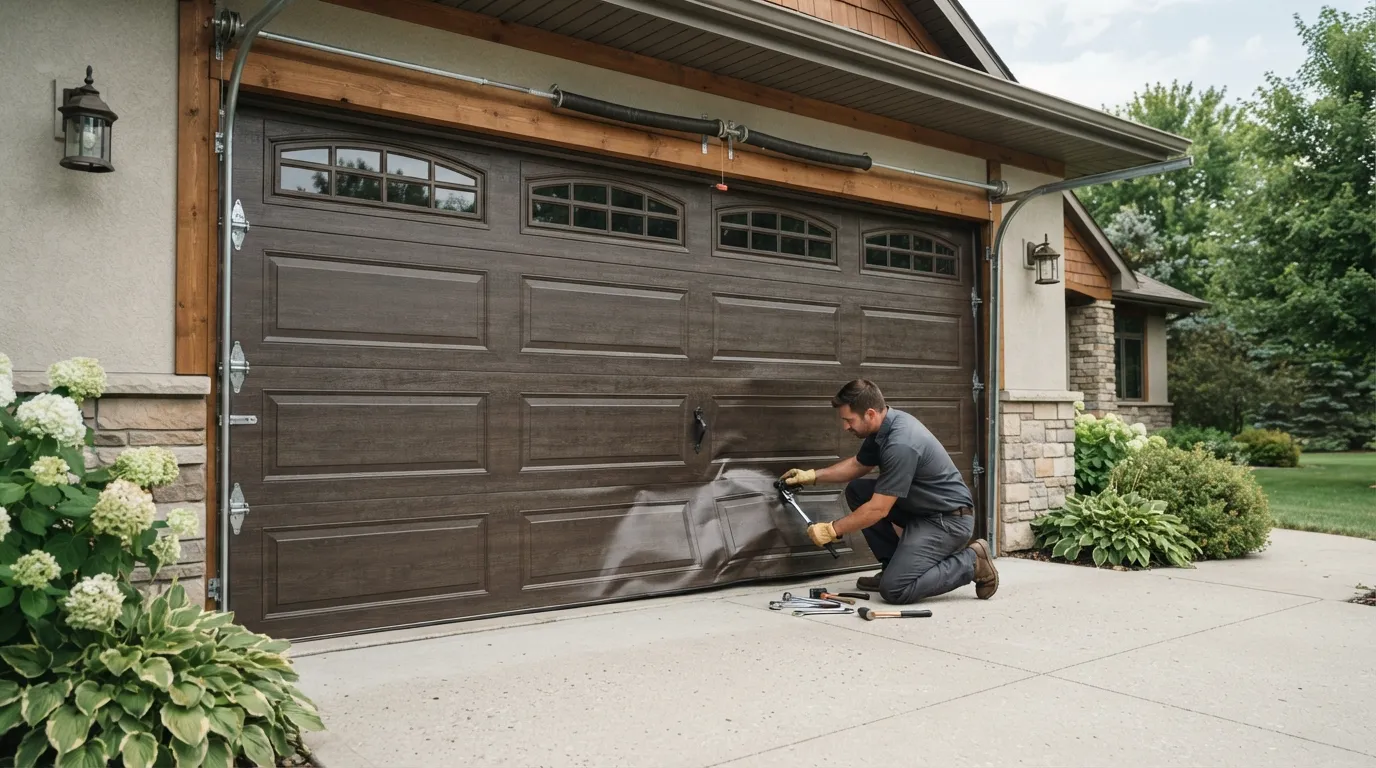
Warping roller impact
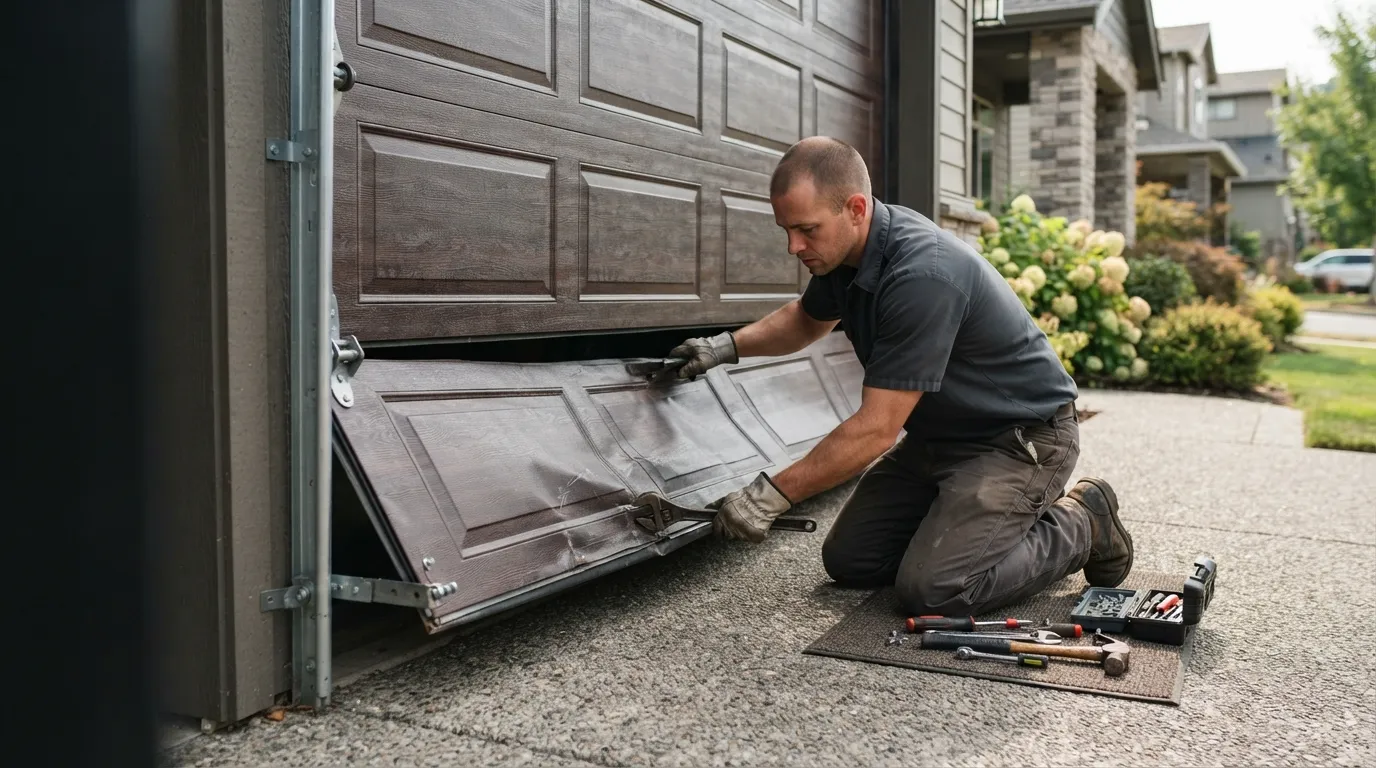
Once a panel warps, the door no longer sits flush in the track, so rollers wear unevenly and the opener strains against resistance it was never sized for.
Casas Adobes, Tucson
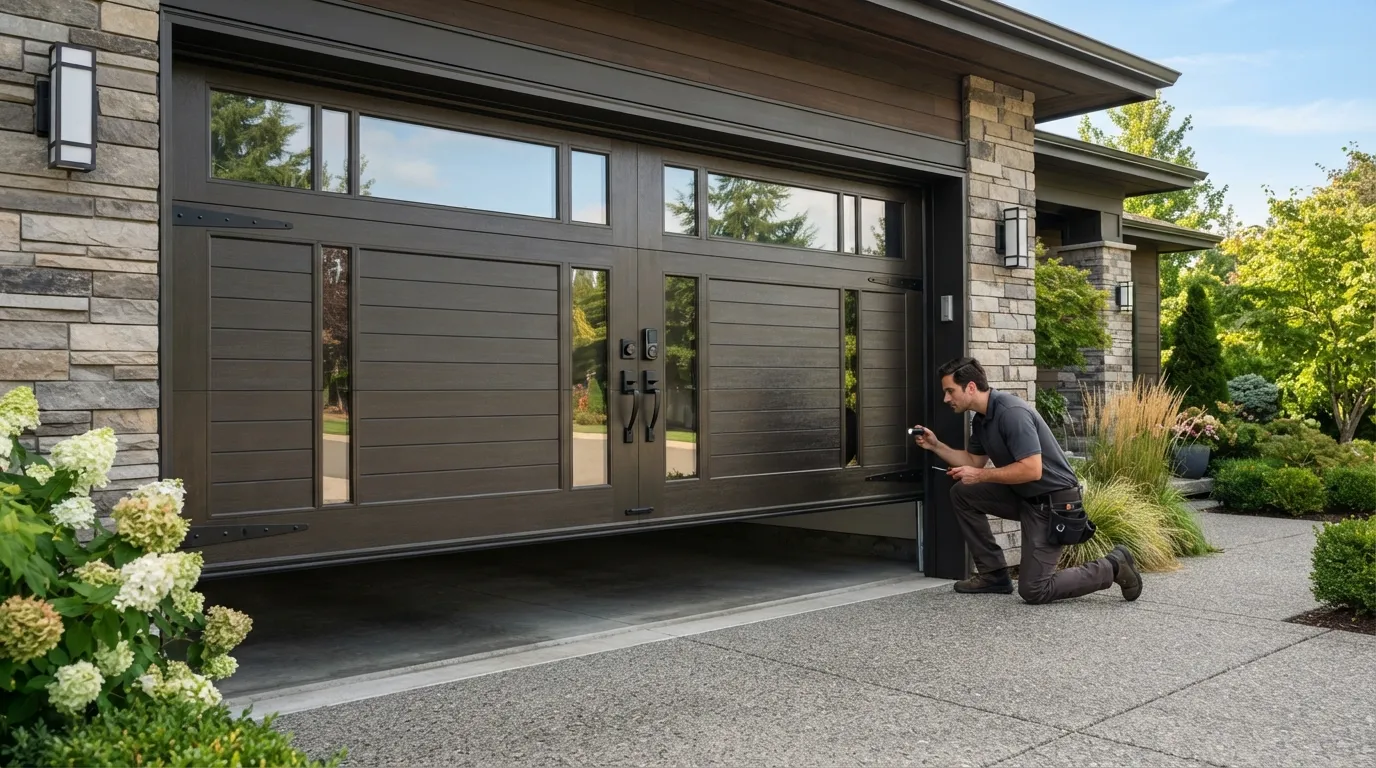
Most Casas Adobes homes date to 1986, with single-layer steel doors built for a different climate. We install heat-rated replacements, traveling in from Tucson.
Local causes
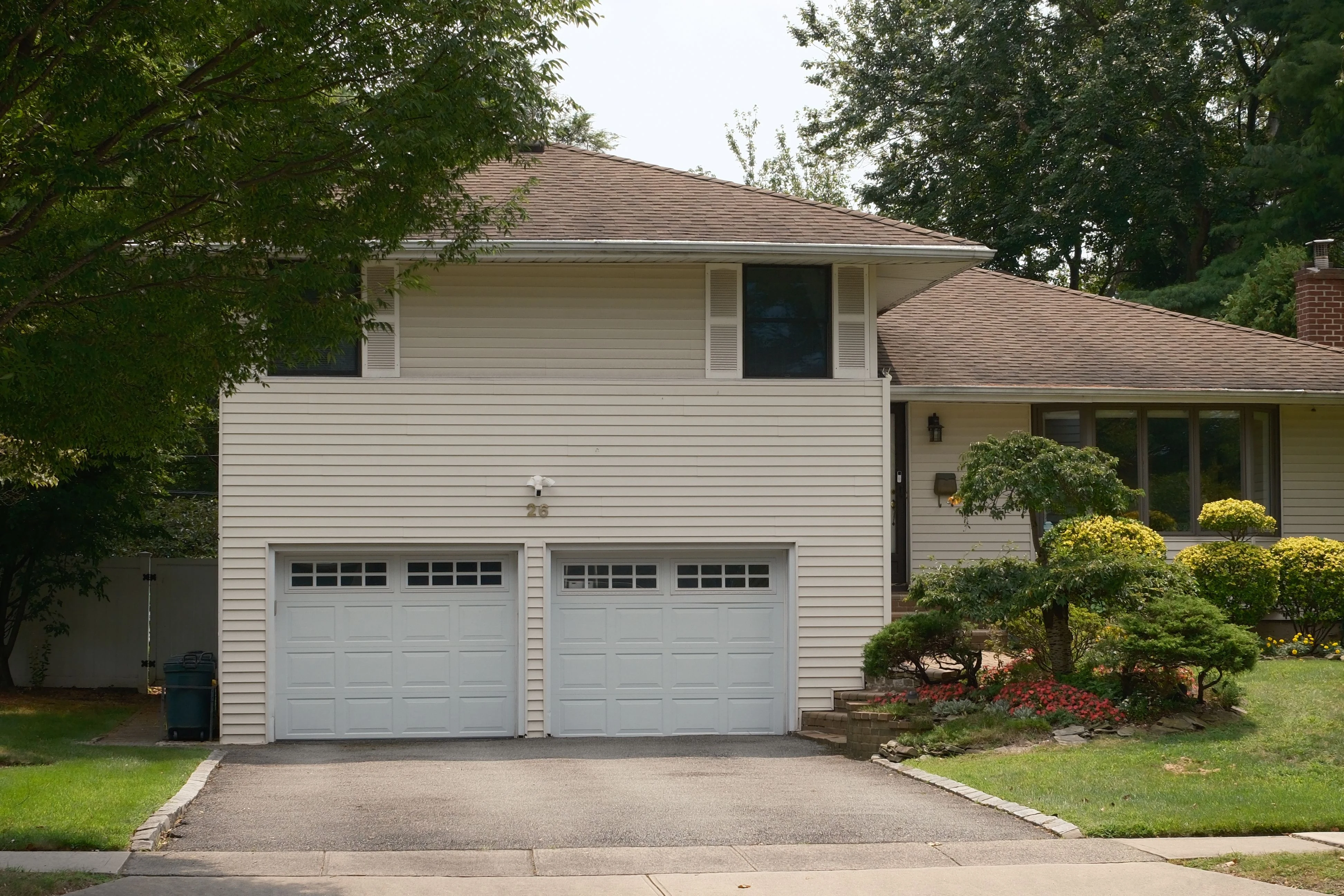
Casas Adobes's housing stock centers on 1986, and that number tells you a lot about what's hanging on the tracks in most driveways here. Builders in that era used single-layer steel panels with little to no insulation, paired with basic torsion or extension spring setups that were fine for the day but were never engineered for decades of severe desert heat pounding the same slab of metal. That combination - thin steel, minimal insulation, original hardware - is exactly what fails first once a door passes the 35-year mark. The severe heat classification for this part of the service area isn't a minor detail; it's the reason uninsulated doors from this build era warp, bind in their tracks, and force openers to work harder than they were designed to. A door that shipped standard in 1986 was not built to spend three decades absorbing Tucson-area summer heat, and by now most of them are showing it.
Watch-outs
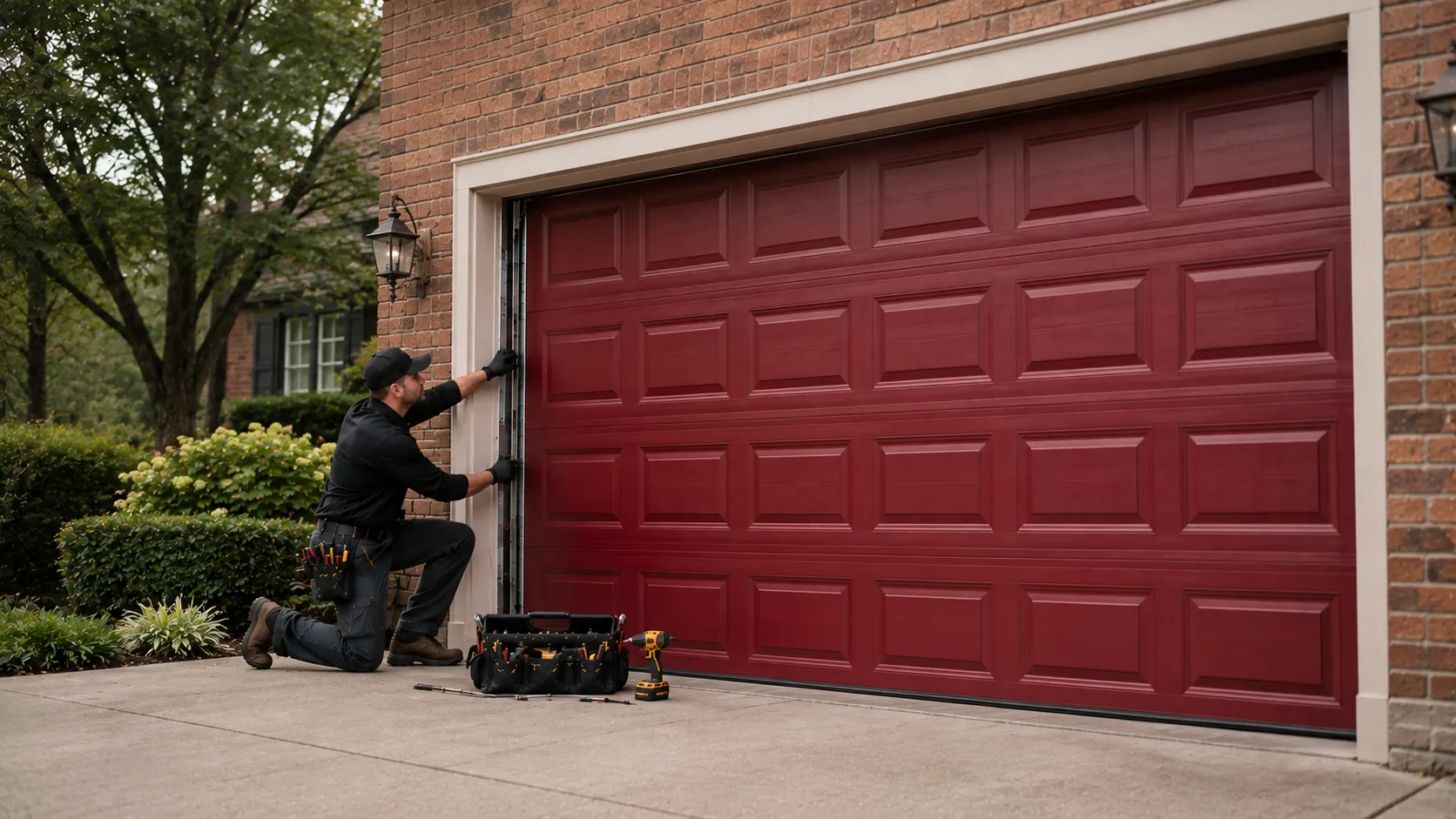
On a door this old, the panel itself is usually the first thing to go - heat cycling causes steel to expand and contract enough that seams separate and panels bow outward, especially on wider double-car doors.
Once a panel warps, the door no longer sits flush in the track, so rollers wear unevenly and the opener strains against resistance it was never sized for.
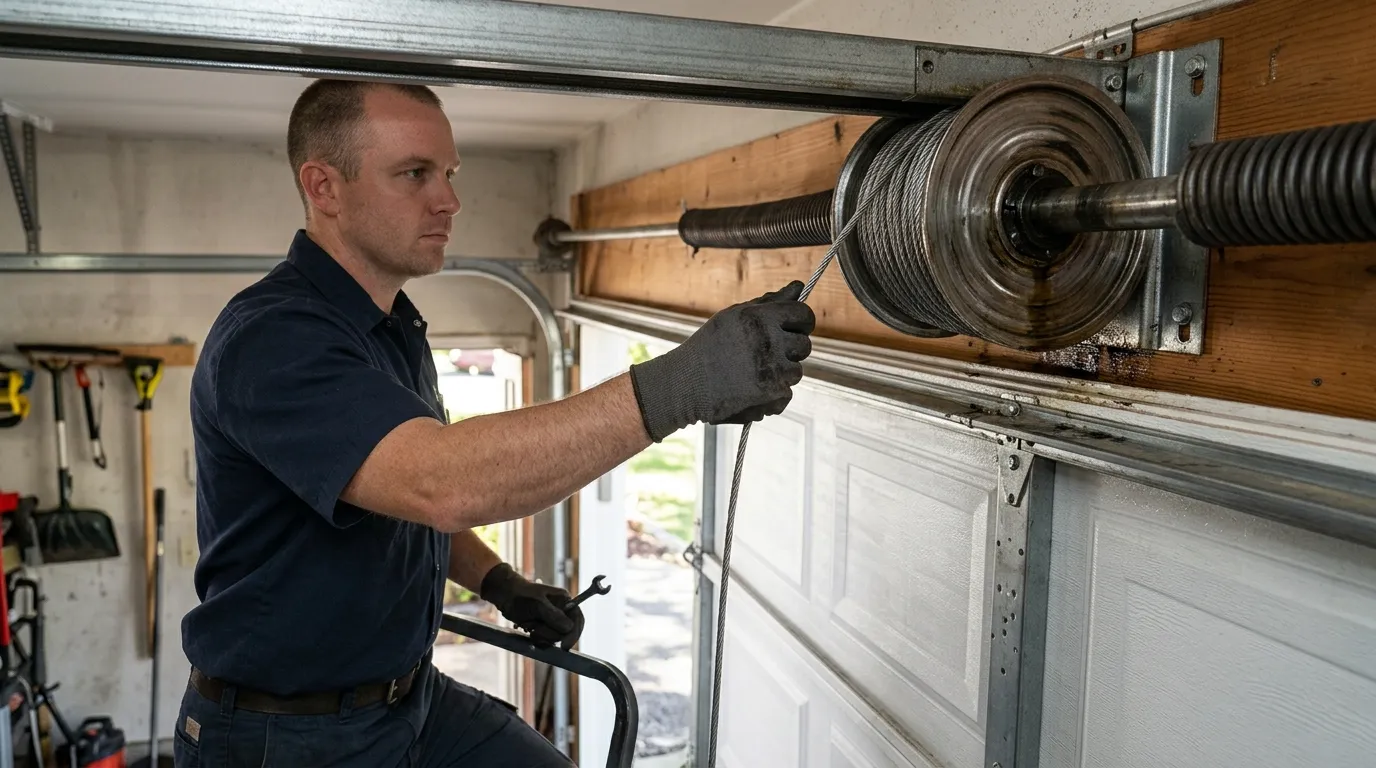
Original springs from the mid-80s have typically been re-tensioned or replaced once already, but the mounting hardware and end brackets are often still original, and those corrode faster in high-heat environments than most owners expect.
We also see openers from later retrofits paired with doors that are heavier than the opener's rated lift, which shortens the life of both. None of this is unique to one house - it's the shared story of a neighborhood that mostly went up in the same decade.
The repair
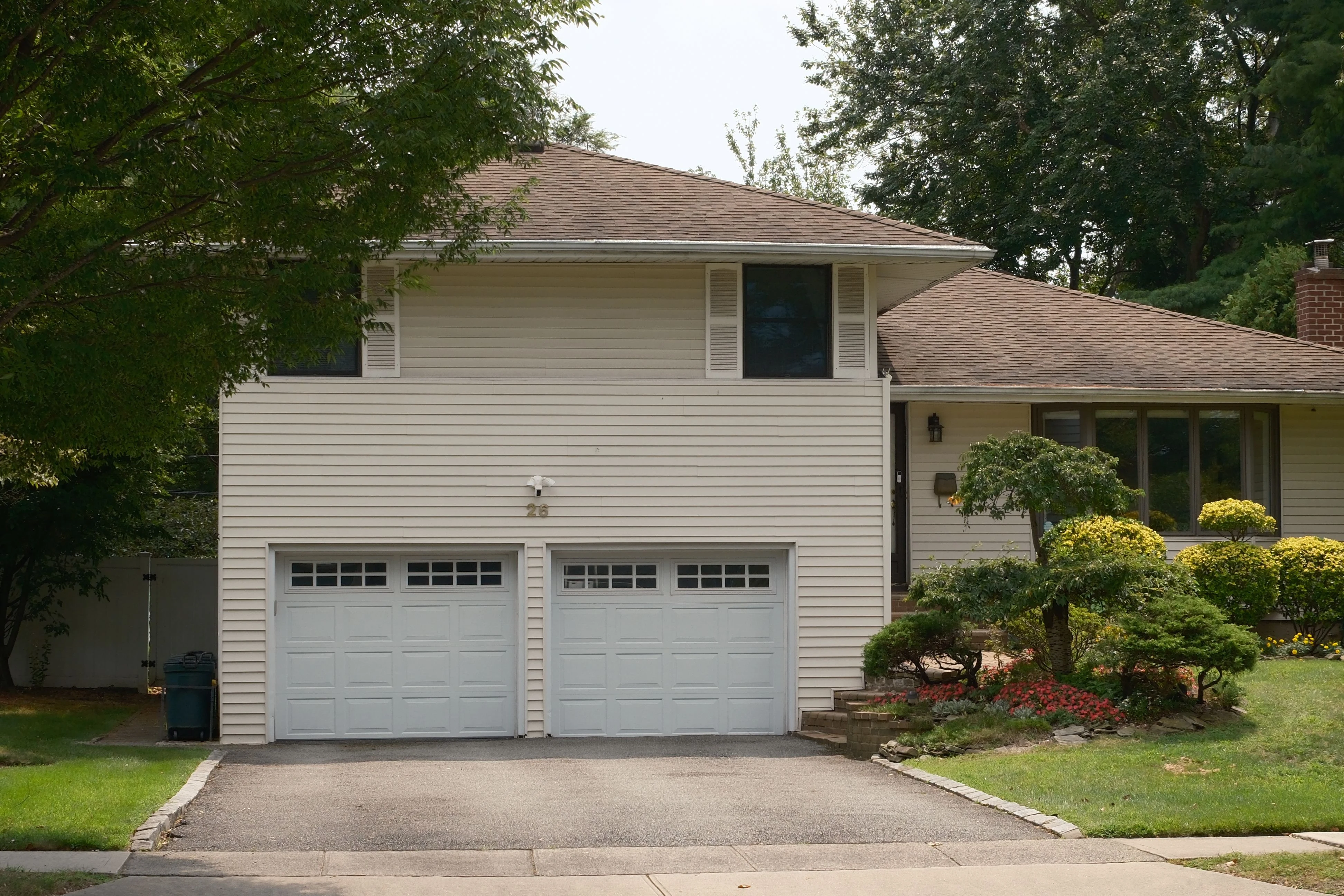
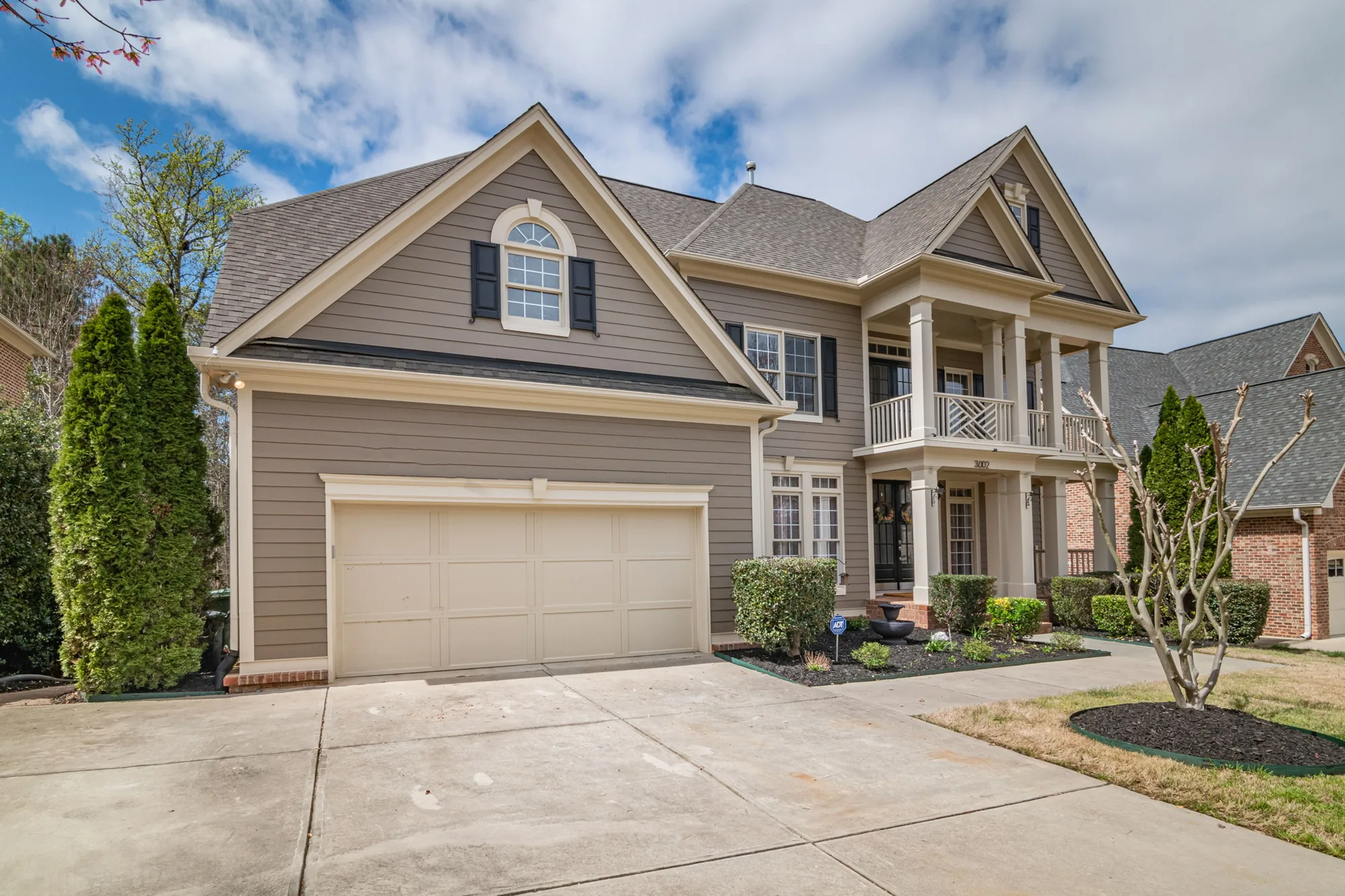
A straight installation on a house from this era usually means pulling the original single-layer door and, in a lot of cases, upgrading the track and spring system to match a heavier, insulated panel - because the old hardware was sized for the lighter door that's coming off. We measure the opening rather than assume it matches a modern standard size, since builders in 1986 didn't always follow today's dimensions. For heat performance, we talk through insulated steel and composite options rather than defaulting to whatever's cheapest, since an uninsulated replacement in this climate band just repeats the same failure in another 20 years. One honest limitation: some insulated models and custom widths aren't something we keep on the truck, and those jobs run on a short order lead time rather than same-day install. We tell you that up front, not after the deposit.
Warning signs
Homeowners usually notice the door before they notice a specific part. It's hot to the touch well after sundown, the garage runs noticeably warmer than the rest of the house, or the opener has started groaning and pausing partway through a cycle.
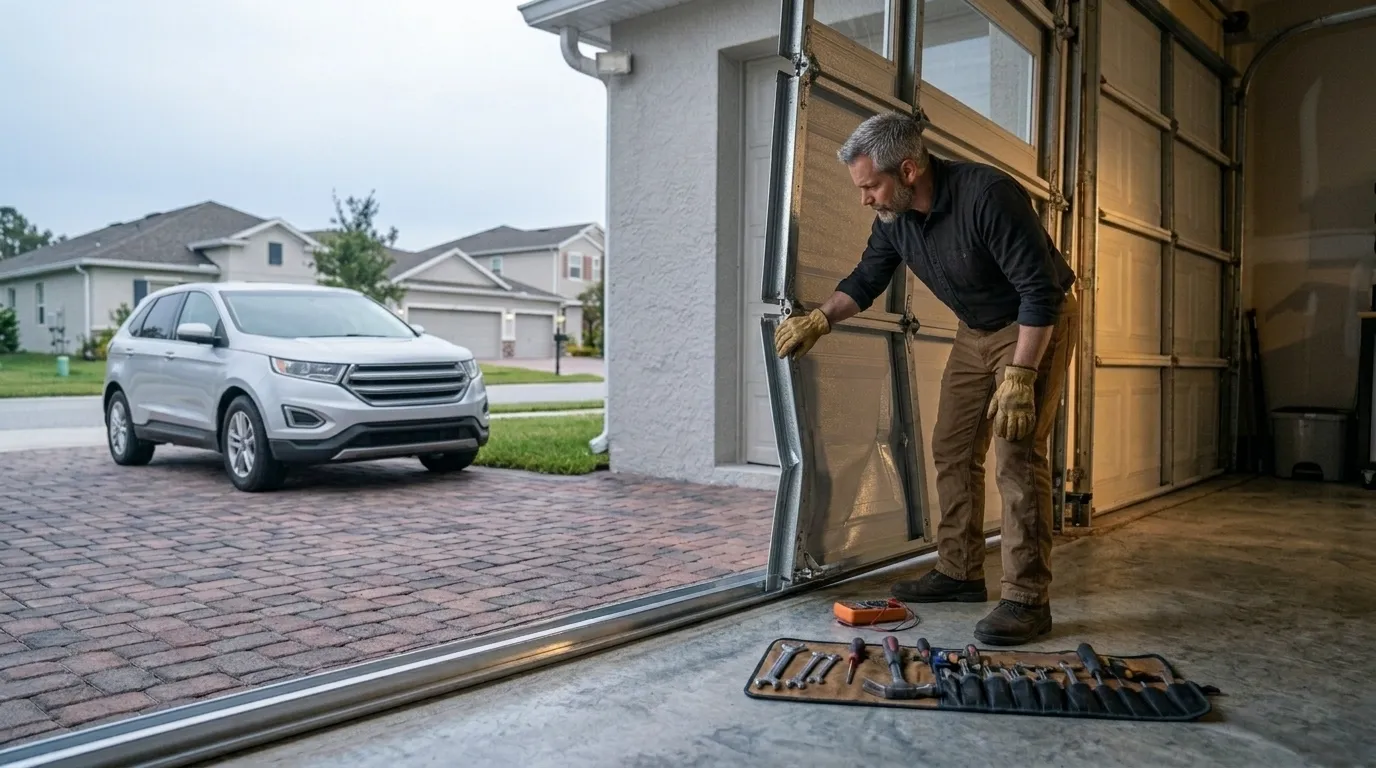
Sometimes it's visible - a slight bow across the middle panel when the door's down, or a gap at the bottom corner where it used to sit flush.
On original 1986-era doors, corrosion at the hinge and bracket points is common enough that we check it as a matter of course, even when that's not why someone called.
None of these signs mean the door is unsafe today, but they're the pattern that shows up on this era of house more than any other, and it's worth having it looked at before a spring or cable finishes the job the heat started.
Booking
We're based in Tucson and drive out to Casas Adobes for installs - it's about 15 miles, so we schedule the visit rather than promise a same-day drop-in. When you call, tell us the door's rough age and whether it's single or double car; if you know it's original to the house, that alone tells us a lot about what hardware we'll likely be replacing along with the panel. We'll walk the opening, take real measurements, and quote the job against what we actually stock versus what needs to be special-ordered. With roughly 30,730 households in this part of the service area sitting in homes from around the same build year, this isn't a one-off request - it's the most common call we get from this side of town.
On the truck
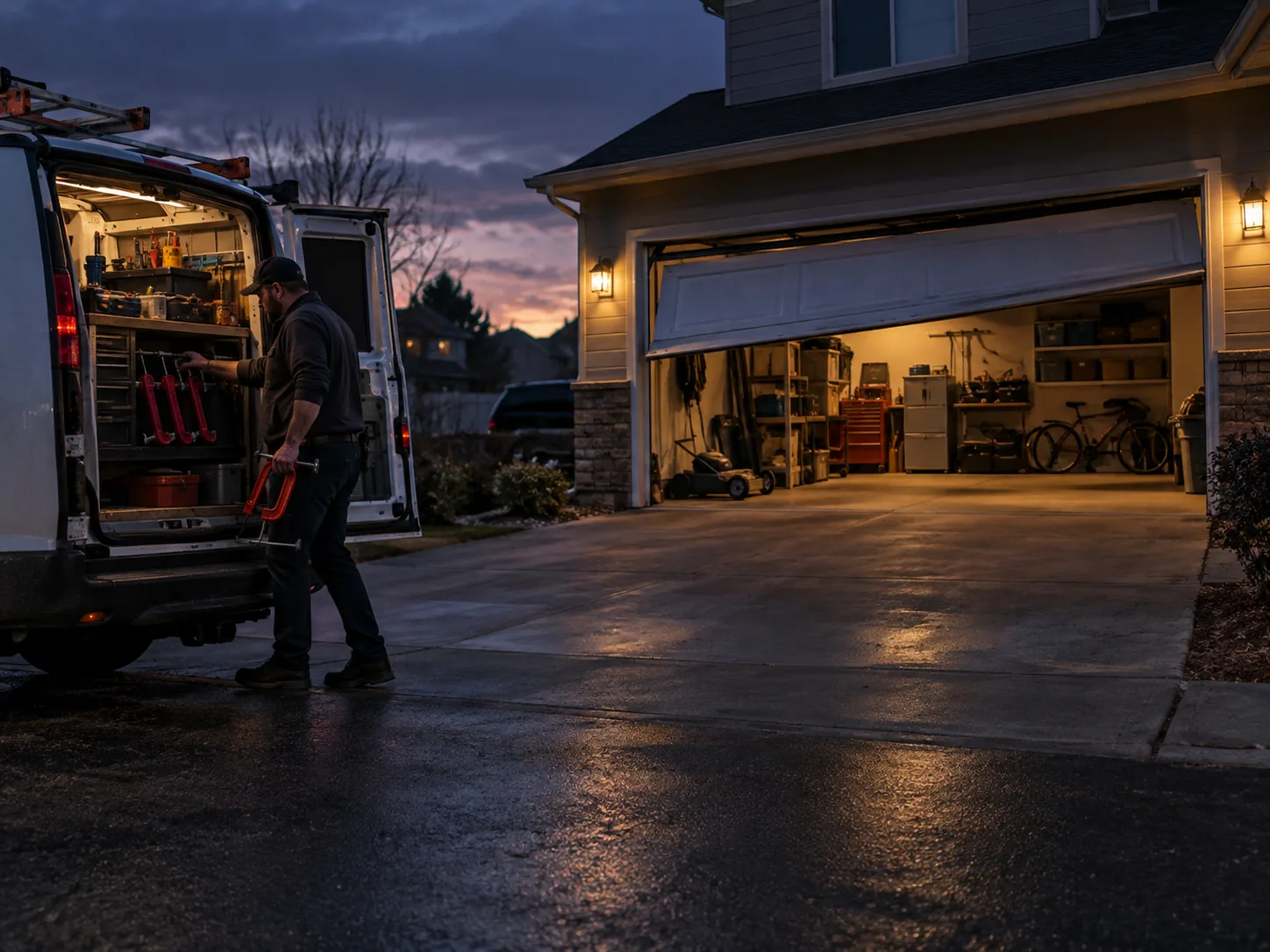
We carry standard-width steel doors and common torsion spring sizes on the truck, which covers most single and double garage openings built to typical mid-80s dimensions. What we don't keep on hand: wide custom sizes, certain insulated composite models, and specialty opener units - those come in on a supplier lead time we'll quote you honestly rather than guess at. If your opening turns out to be non-standard, which happens more than you'd think on houses from this era, that's the piece most likely to need ordering. We'd rather tell you that before the job starts than have you waiting on a part we implied we had.
Questions
If your door is original to a mid-1980s build, it's almost certainly a single-layer steel panel with no insulation. In a severe heat climate, that panel absorbs and radiates heat directly into the garage all day. An insulated replacement panel cuts that transfer significantly - it won't match an air-conditioned room, but it stops the garage from acting like an oven.
Depends on what's failing. A single bad spring or cable on an otherwise straight panel is worth fixing. But if the panel's warped or bowed from heat cycling, repair just delays a replacement you'll need anyway - and you'd be putting new hardware on a panel that's already failing structurally.
No - we're based in Tucson and drive out for every job, about 15 miles each way. We schedule visits rather than offer walk-in service, and we're upfront that some specialty parts run on a supplier lead time rather than being on the truck same day.
Usually, but not always. Builders in that era didn't always follow today's standard opening sizes, so we measure rather than assume. If your opening is non-standard width, that's the most common reason a job needs an ordered part instead of a stocked one.
Explore more
Ready when you are
Tucson Garage Door Pros repairs and installs garage doors, springs and openers in Tucson, AZ and the surrounding area.