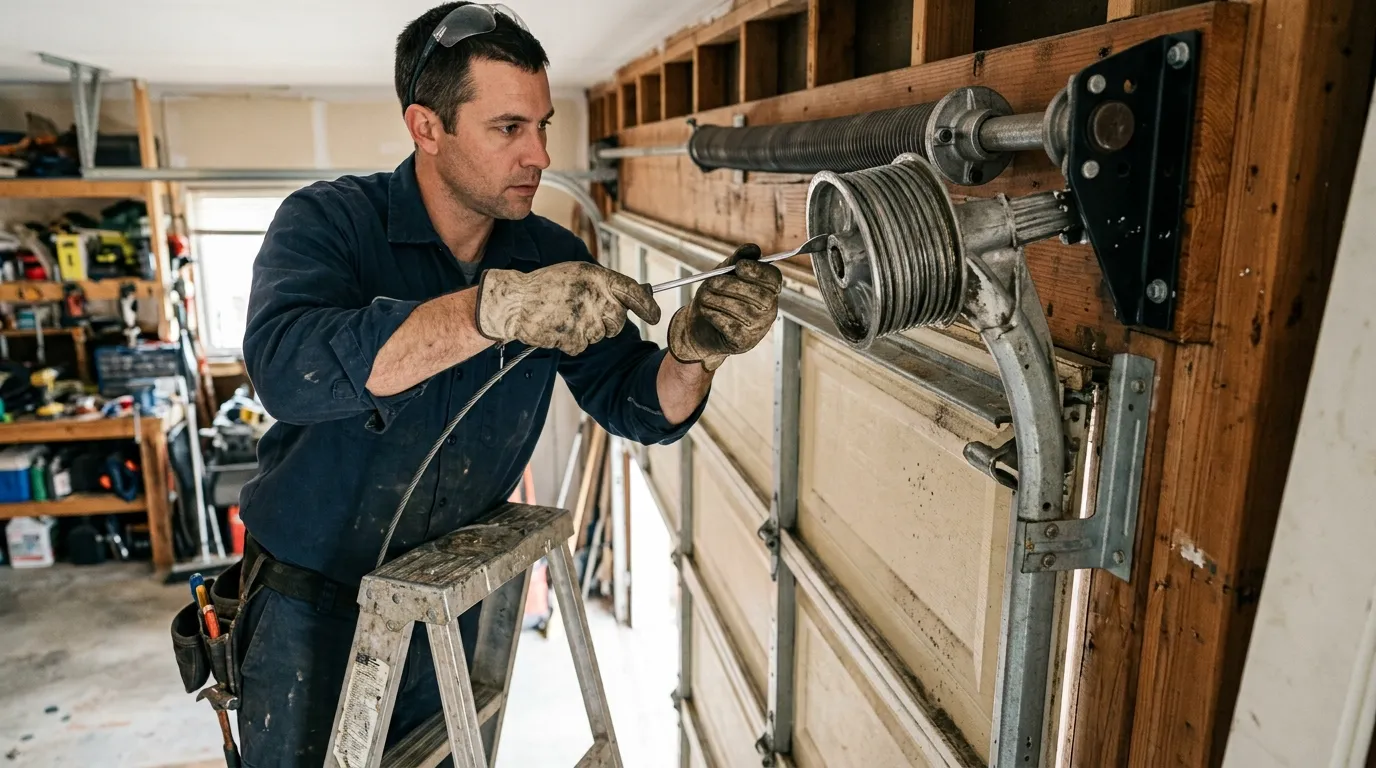
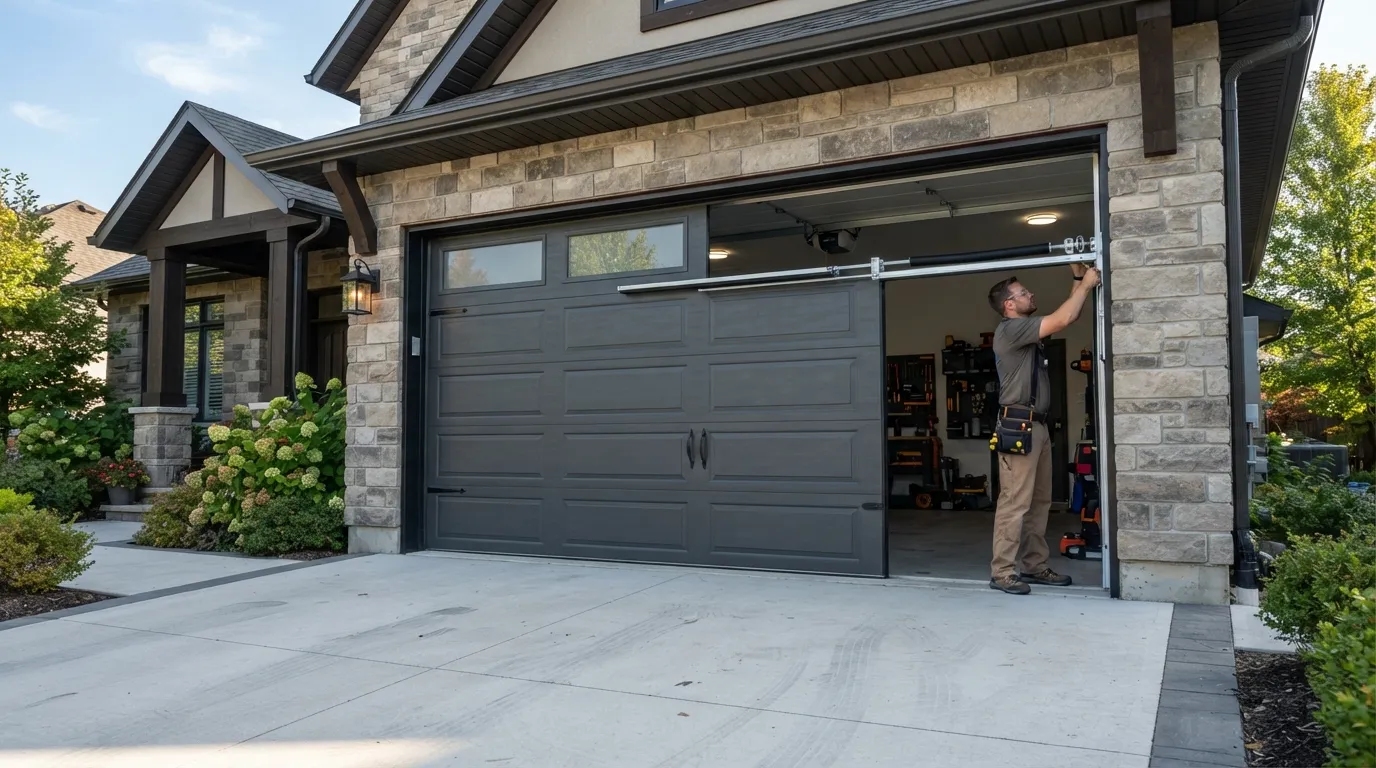
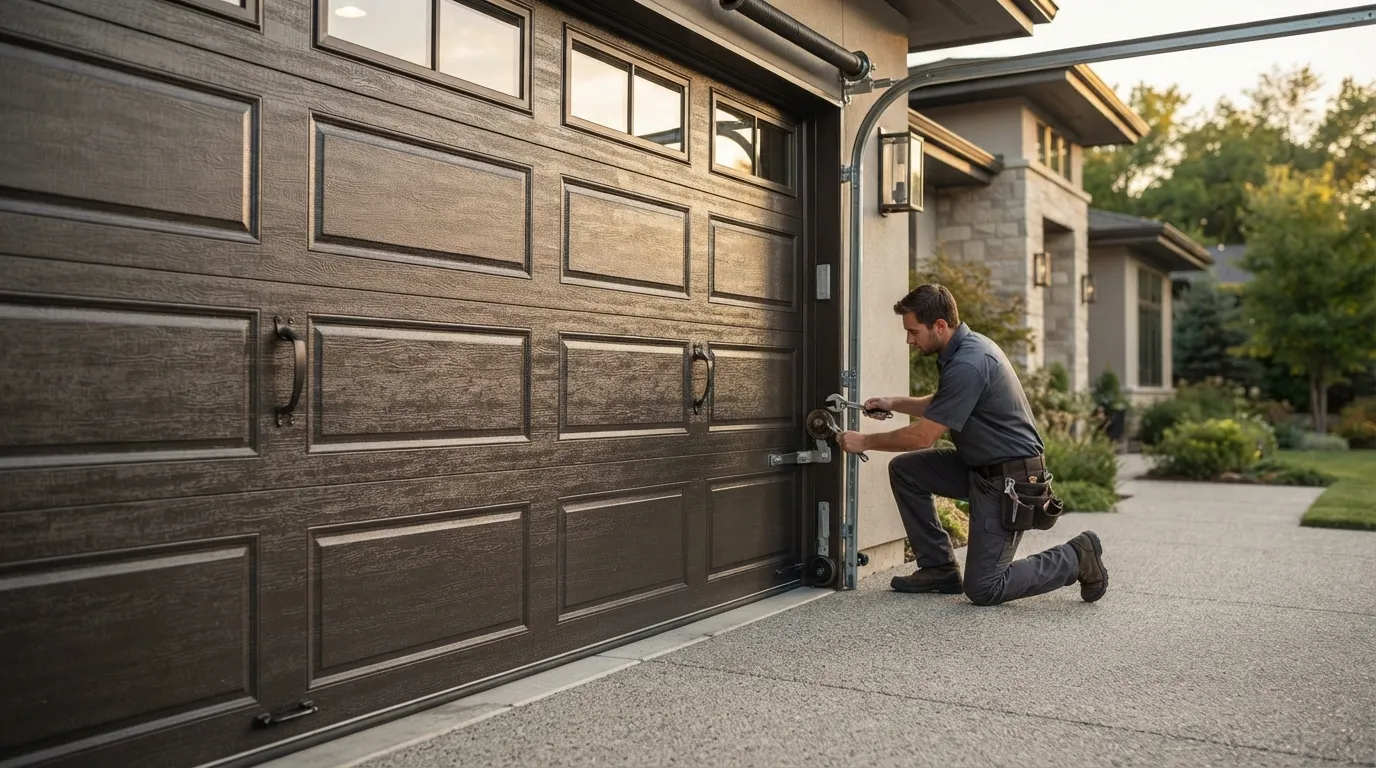
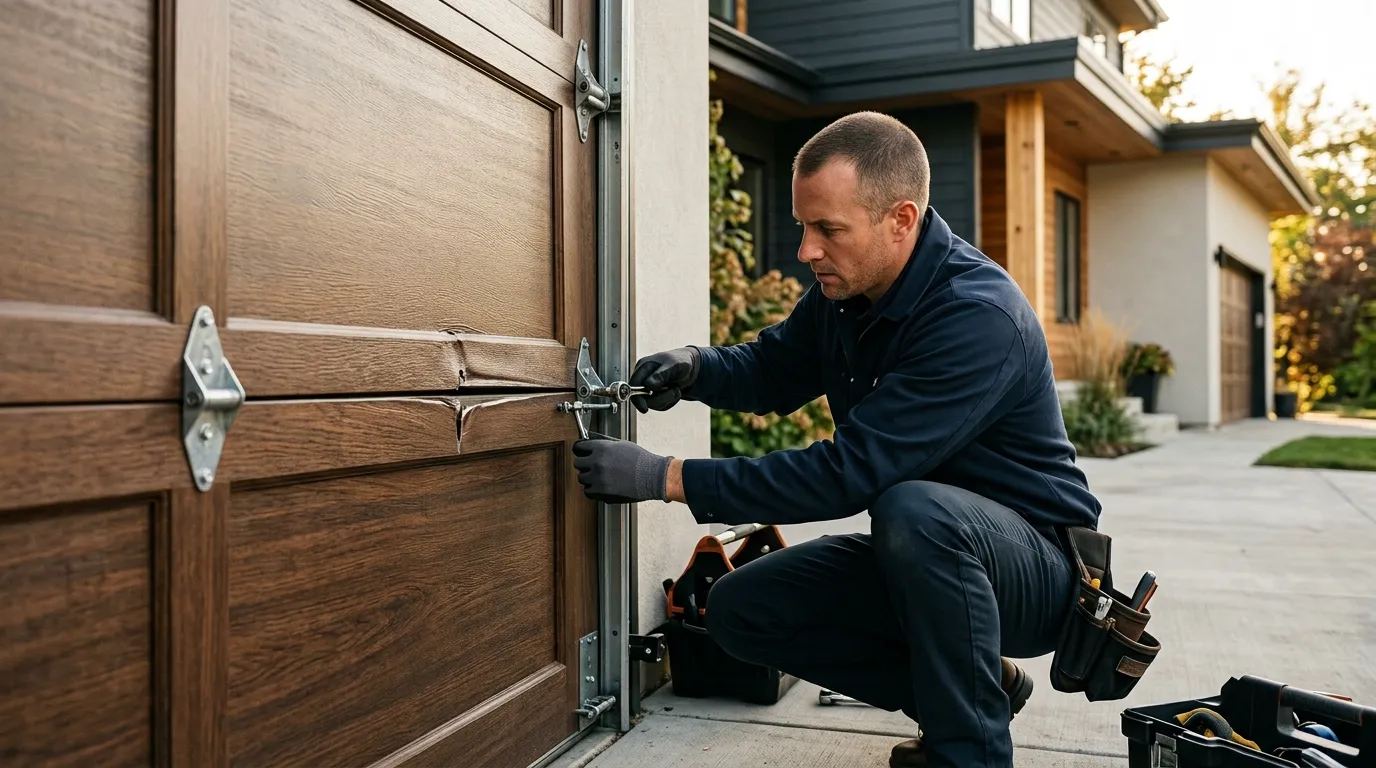
Severe summer heat here means the extension or torsion springs on a door built in the mid-1980s have gone through roughly four decades of daily thermal expansion and contraction. That cycling is what eventually shows up as a spring that's gone visibly slack, or a door that feels heavier to lift by hand in July than it did in January. Heat also softens the nylon gears inside a lot of older chain-drive openers, which is why a stripped gear complaint tends to cluster in the hottest months rather than spread evenly across the year.
Drexel Heights' 9,312 households sit mostly in that same narrow build window, so when one door on a street starts binding from spring fatigue, the house next door is often carrying the same age of hardware and headed the same direction. It's not a coincidence when two calls from the same block come in the same season.
With median household income at $75,152 here, replacing an aging opener with a newer, sensor-equipped unit is a bigger decision than it is in some other parts of the service area, which is part of why so many original 1986 units are still running on borrowed time rather than swapped out early.