Garage Door Repair for Vail's Newer Sectional Doors in Tucson

Vail, Tucson

Garage Door Repair for Vail's Newer Sectional Doors

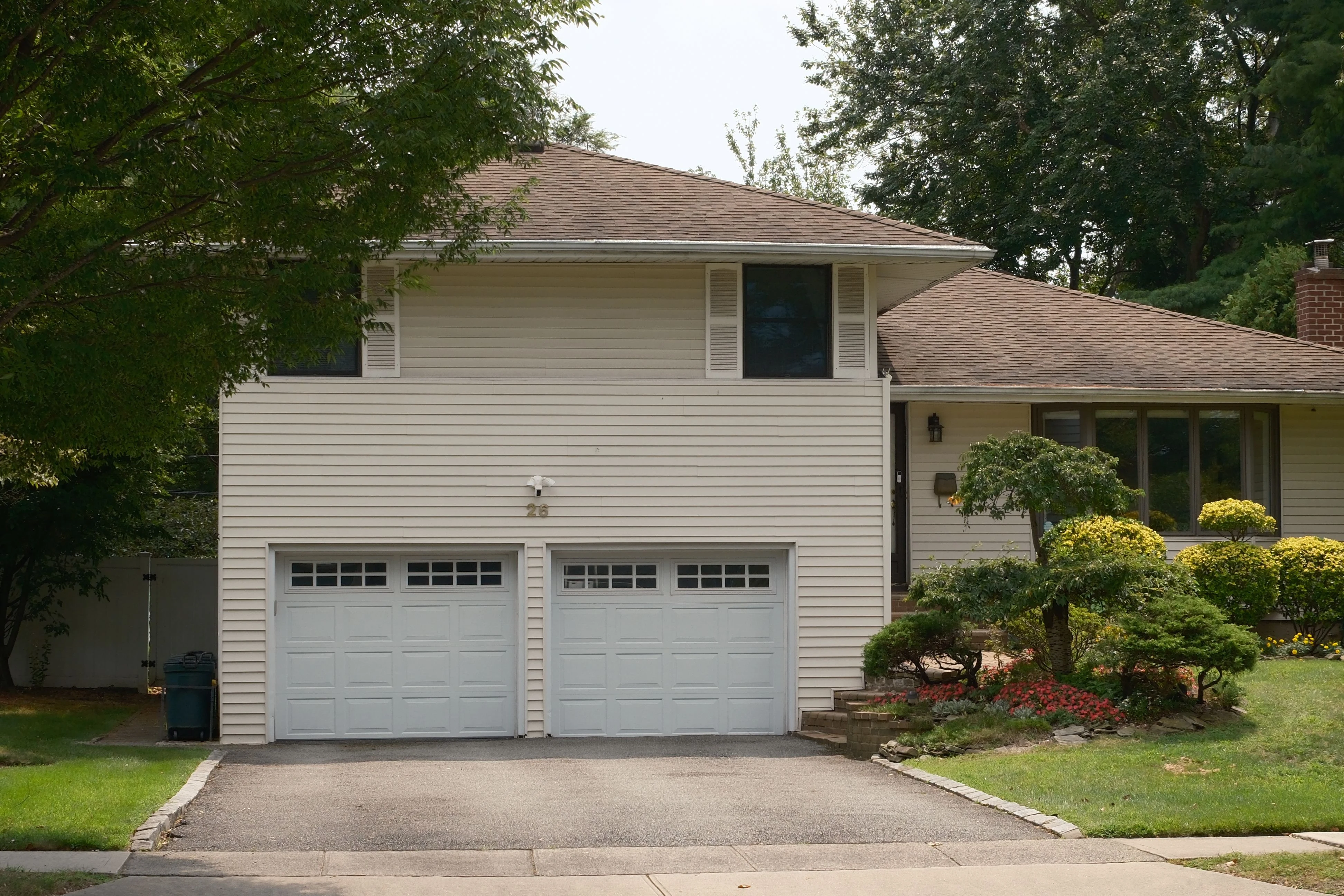
Vail's houses are mostly newer builds with insulated steel sectional doors, not the older stock found closer to Tucson. Here's what breaks on them and why.

Serving Tucson, AZBackground-checked techsHonest, upfront pricingFast local response

Watch-outs

What Can Go Wrong

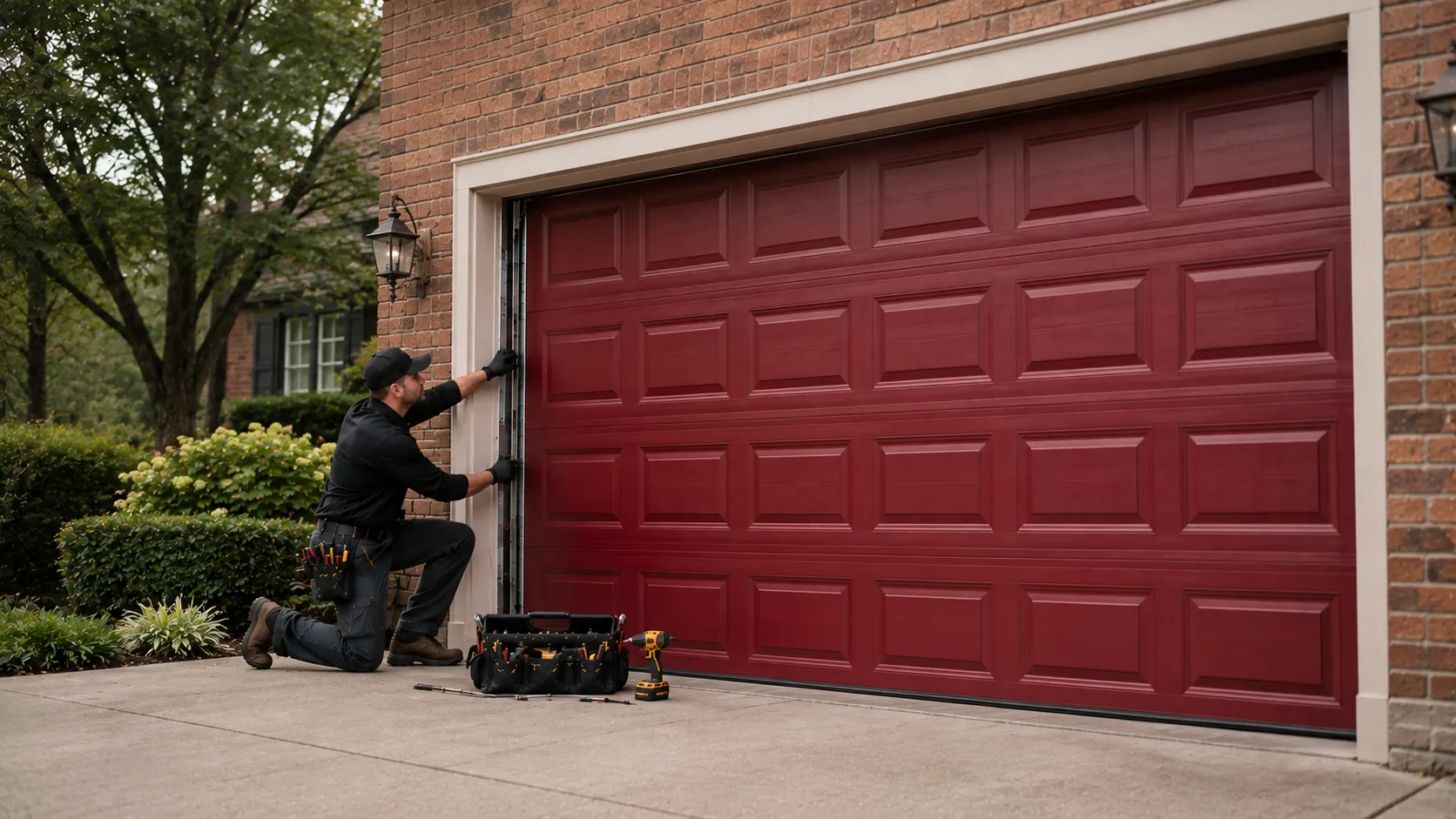
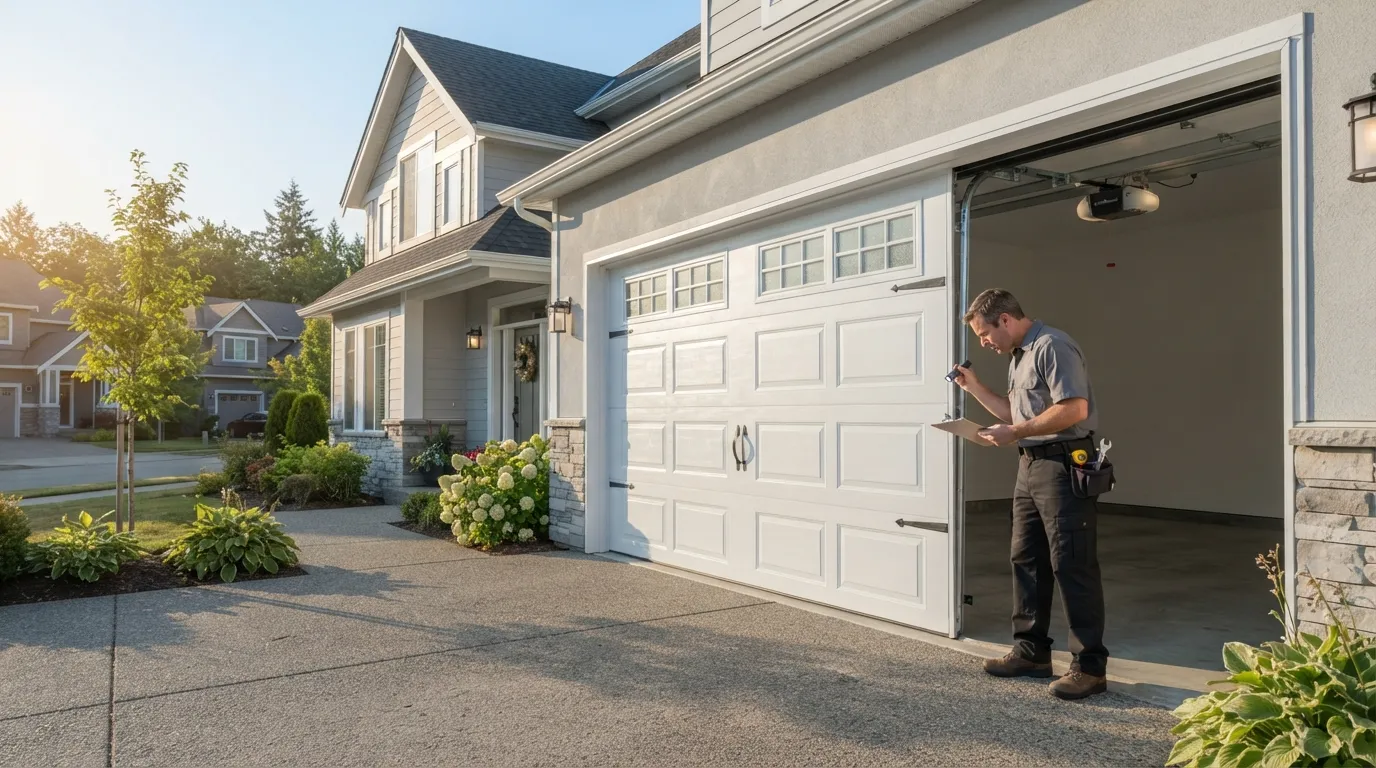
Most garage doors in Vail are steel sectional units on insulated cores, hung on double-wide 16-by-7 openings that were standard on homes built here around the mid-2000s.

Heavy door spring system

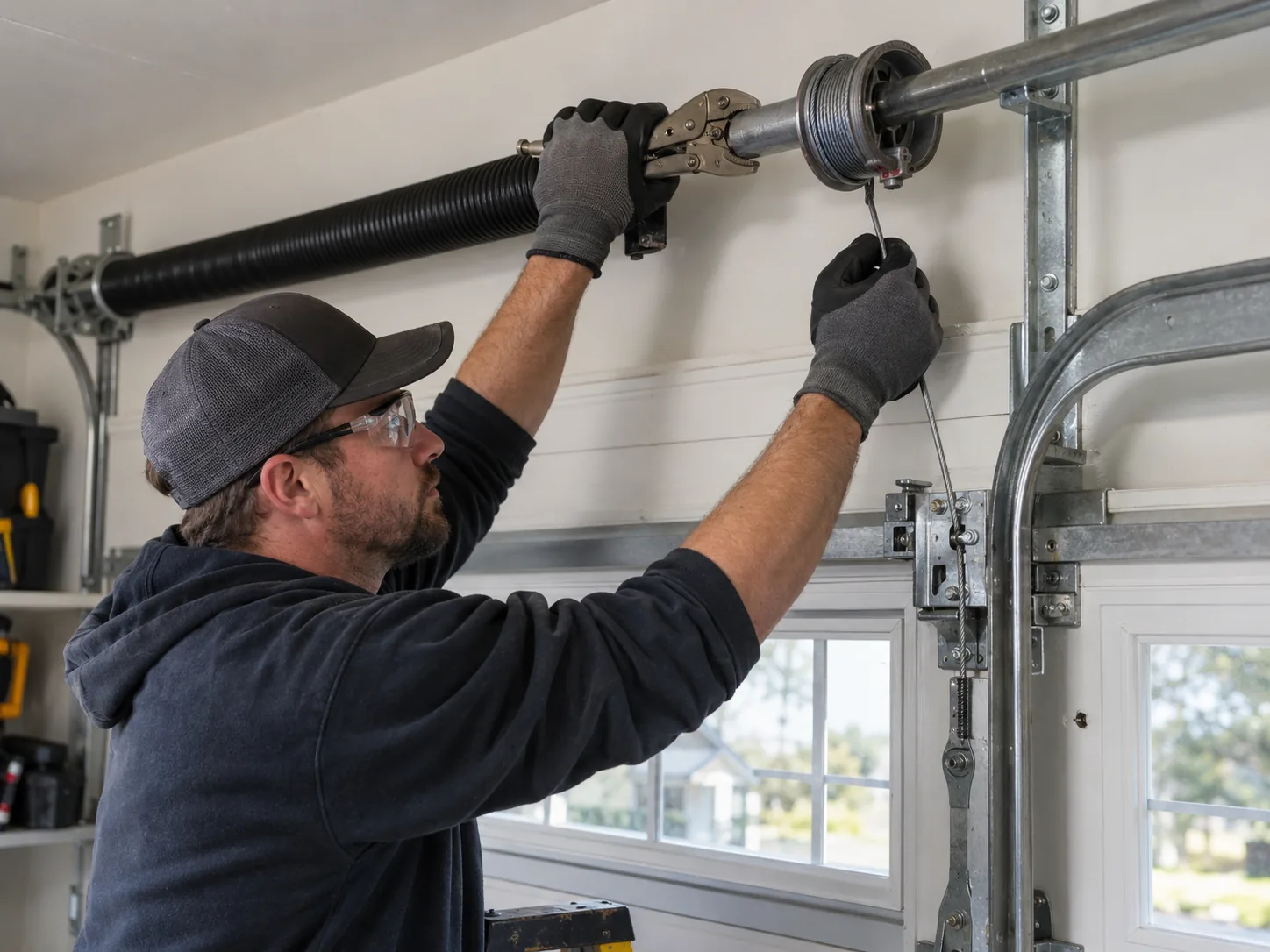
That's a heavier door than the single one-piece doors you find on older Tucson blocks, and it runs on a heavier torsion spring set to match. When that spring goes on a door this size, it doesn't just squeak - the door drops hard, and a two-car door with a foam core is not something you want to muscle up by hand.

Electronics-focused failures

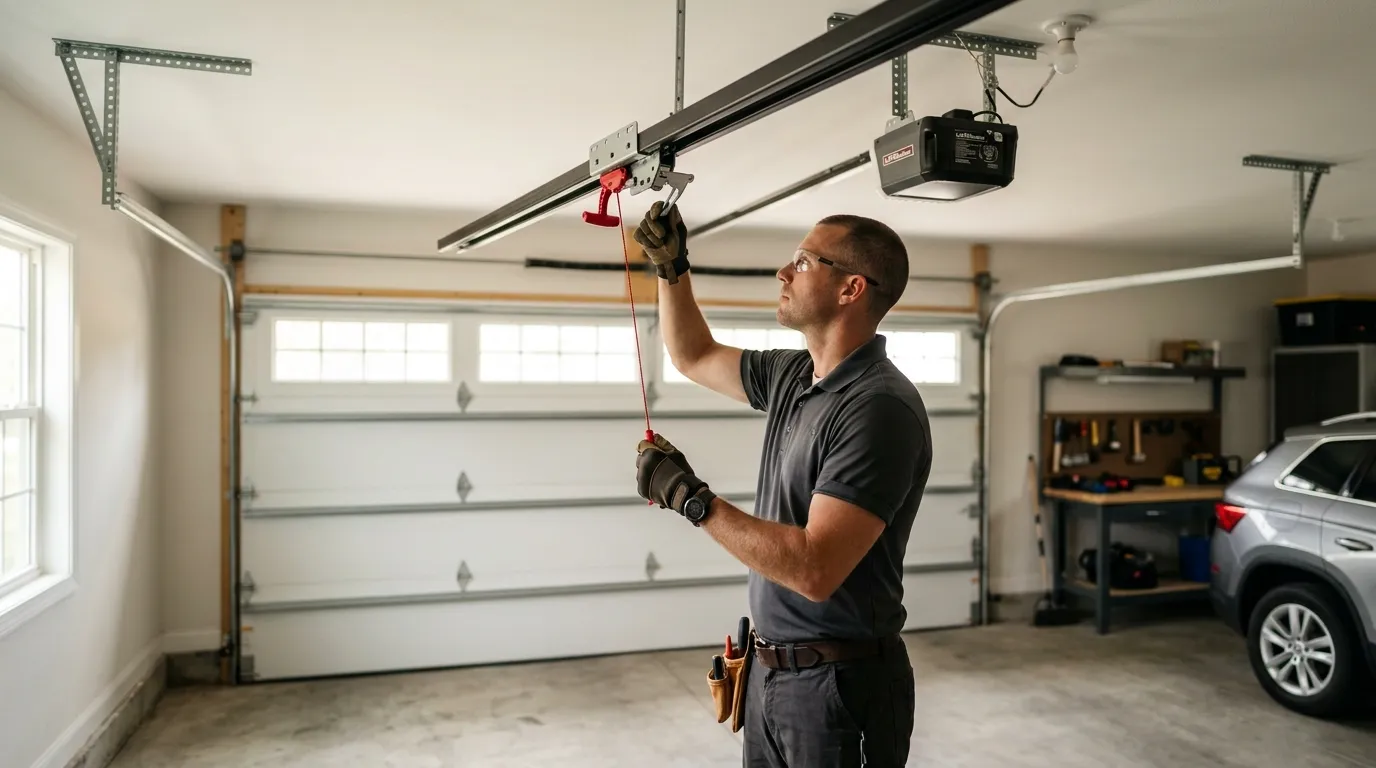
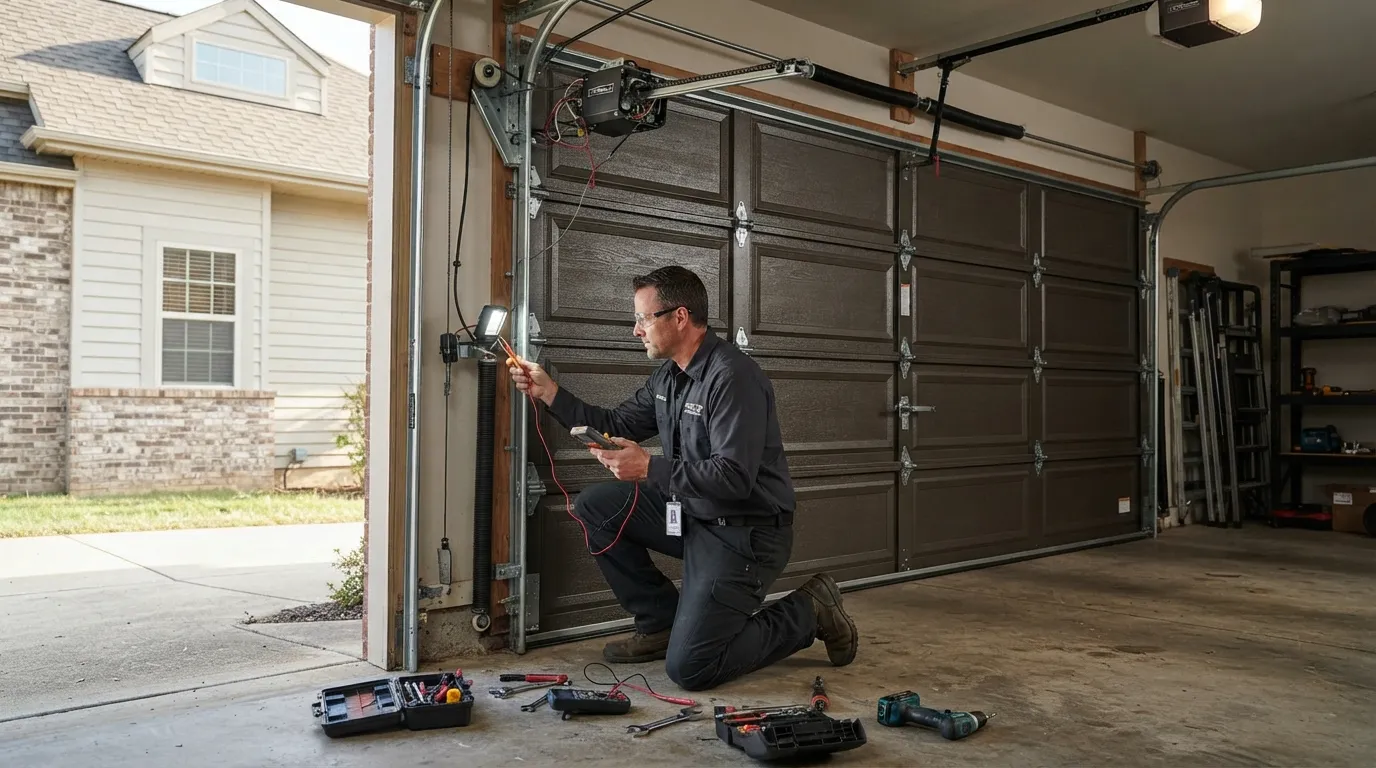
The openers on these houses are mostly newer chain or belt-drive units with circuit boards rather than the simple relay-style openers on older stock, which means when they fail it's more often electronics than the motor itself.

Wide door track stress

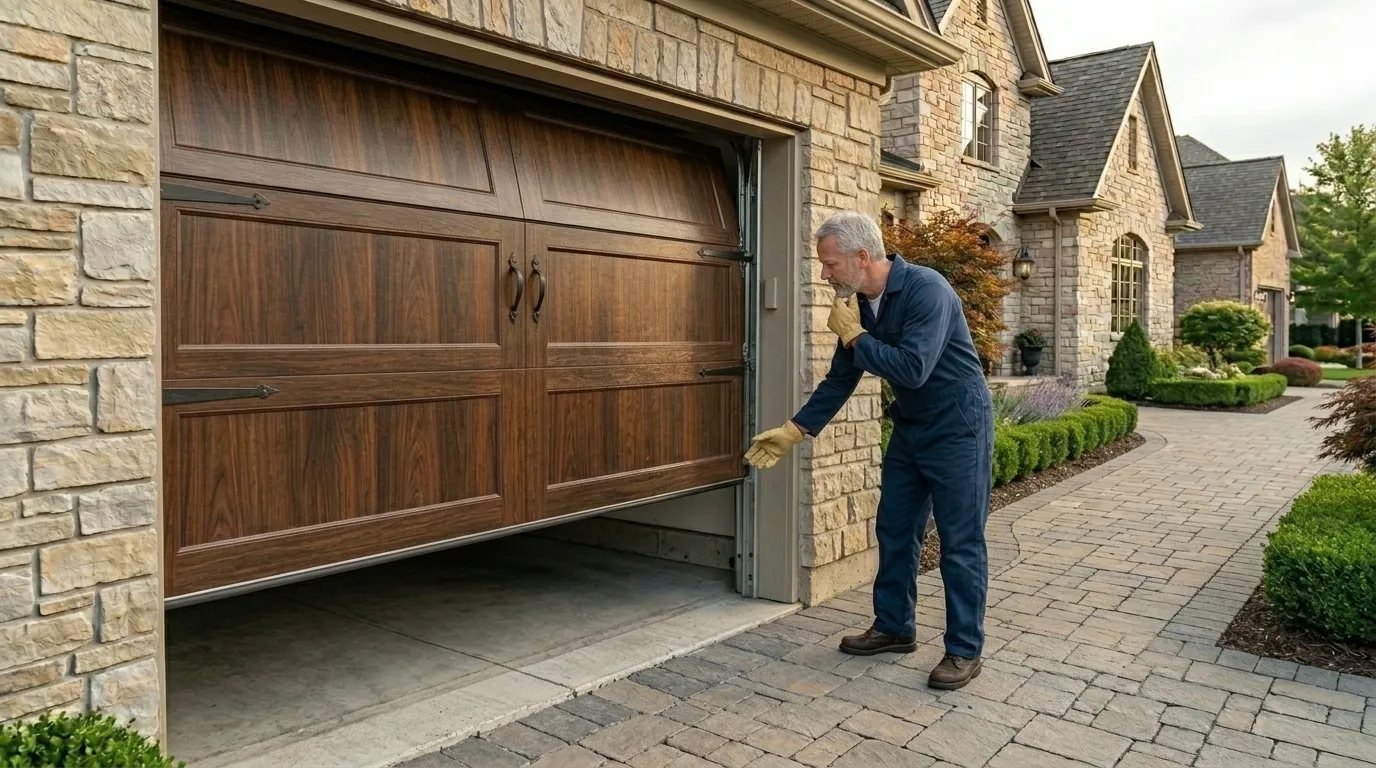
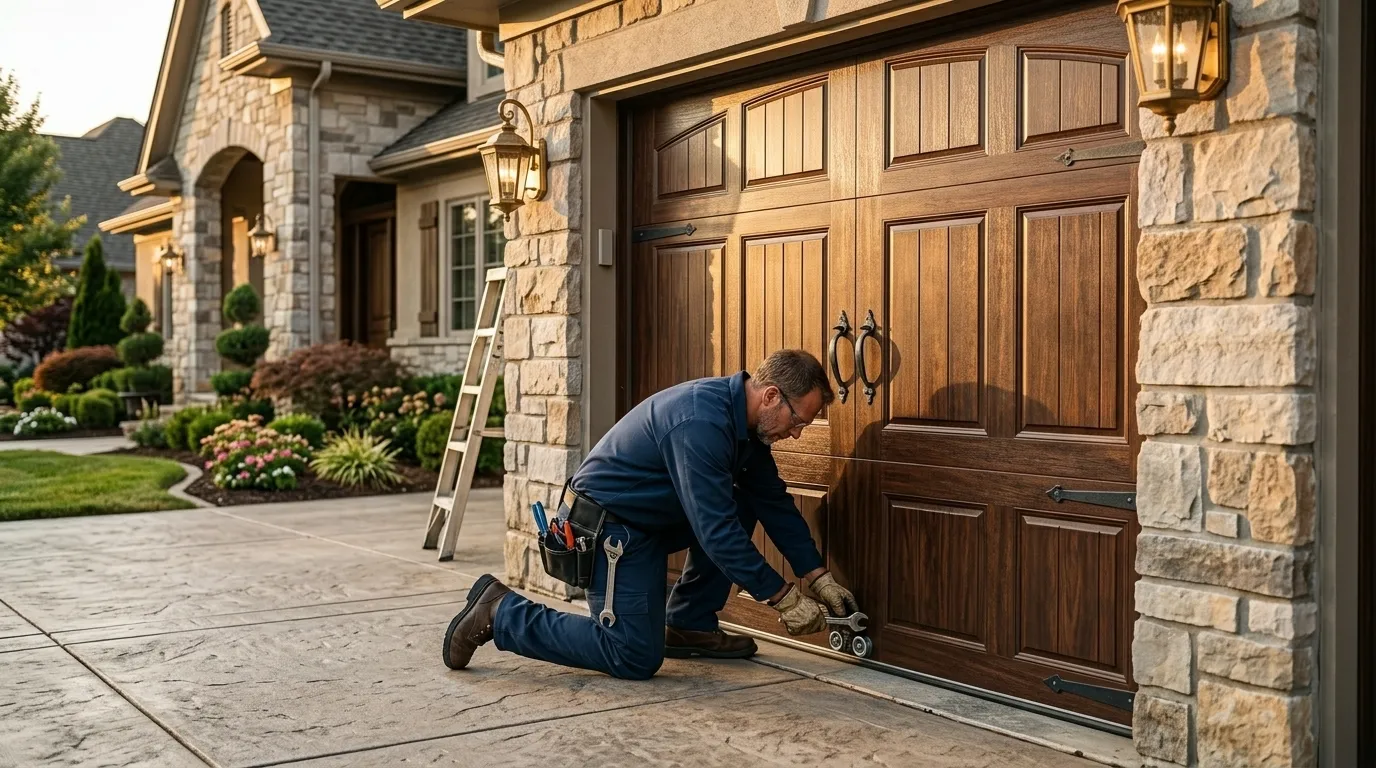
Track alignment is the other common one: on a door this wide, a bent track section throws the whole panel off, and the rollers on the low end wear faster because the door is carrying more weight across a longer span.

Heavy load cable stress

Cables fray at the drum end over time on any door, but on a heavier insulated door the load is higher, so a frayed cable here tends to snap sooner rather than just fray longer. None of this is exotic - it's what you get when a whole neighborhood goes up in the same few years, on the same door spec.

Warning signs

How It Shows Up

The most common call we get from this area is a door that won't budge past a few inches, or one side visibly lower than the other - that's a torsion spring gone or a cable that's slipped the drum.

Spring tension loss

A door that reverses itself halfway up, or that the opener strains against, often points to a spring that's lost tension but hasn't fully broken yet. On the newer opener units common in Vail, you'll sometimes get a door that responds to the wall button but not the remote, or lights that blink a code instead of running the motor - that's the circuit board flagging a sensor or limit problem rather than a spring issue.

Mechanical wear sounds

A grinding or scraping sound as the door travels usually means a roller's gone bad or the track's stepped out of line, which on a double-wide door tends to happen at the bottom section first because that's where the most weight rides.

Spring load loss indicator

If the door slams the last foot instead of settling, that's a spring not carrying its share of the weight anymore, and it's worth a call before it lets go the rest of the way.

Local causes

What Causes It Around Here

Vail sits under the same severe heat load as the rest of the Tucson service area, and heat is hard on the parts that don't get talked about - the nylon and plastic rollers crack and go brittle faster than steel ones, factory grease on the springs and drums dries out, and opener circuit boards run hotter inside a garage that isn't conditioned, which shortens their life. On a newer insulated door, that heat also works on the foam-to-steel bond over the years, though that's a slower failure than the metal parts.

Because most of the housing stock out here dates to the 2000s rather than the 1980s stock closer to central Tucson, the failures we see are less about rust and worn-out one-piece doors and more about spring fatigue and opener electronics reaching the end of a normal service life at roughly the same time across a lot of houses built in the same window. That's a maintenance-age problem, not a design flaw - parts wear out on a schedule, and a lot of Vail's garage doors are hitting that schedule now.

What Causes It Around Here

On the truck

Stocked Parts

We run from Tucson, about 14 miles out to Vail, and we carry torsion springs sized for the heavier double-door setups common on this side of the valley, along with steel rollers, cable, and standard drums that fit the sectional door hardware built into most homes here.

Logic boards rarely stocked

Opener circuit boards and logic units are the one item we don't carry blind on the truck - those vary by brand and model year, and if yours needs a board rather than a sensor or wiring fix, that part gets ordered rather than swapped on the spot.

Heat drives seal importance

We also stock bottom seals and standard weatherstrip, which matter more here given the heat than they would in a milder climate, since dried-out seals let hot air and dust into the garage year-round.

What the Repair Takes

The repair

What the Repair Takes

A spring replacement or cable swap on a double insulated door is a same-visit job once we're on site - the work itself doesn't take longer just because the door is bigger, but we do bring the correct spring weight for a door this size rather than a universal one. Track and roller work is usually the same visit too.

If the fix is an opener board rather than the motor or sensors, that's the one job that can stretch past a single visit, since we don't keep every board for every opener brand on the truck and it may need to be ordered in. We'll tell you on site which kind of job you've got before any work starts, so you're not guessing at cost or timeline.

Questions

Common questions

Are Vail's garage doors different from ones closer to Tucson?

Mostly, yes. A lot of Vail's housing dates to the mid-2000s, so you're looking at insulated steel sectional doors on wider double openings rather than the older one-piece doors common on 1980s-era Tucson blocks. That means heavier springs and newer opener electronics, not older hinge-and-track hardware.

Do you have a branch in Vail?

No. We're based in Tucson and drive out to Vail, about 14 miles each way, for service calls. We don't keep a separate depot or stock point out here, but the truck carries the parts sized for the door types common in this area.

Why did my opener just stop responding to the remote?

On newer opener units with circuit boards, that's often a sensor fault or a board issue rather than a dead motor. It can show up as a blinking light code instead of the door simply not moving. We diagnose it on site before assuming it needs a full opener replacement.

Is heat really what's wearing out my door parts?

Yes - severe heat dries out lubricant on springs and drums and makes plastic rollers brittle faster than in a milder climate. It's slower and less obvious than a spring snapping, but it's a steady cause of the wear we see on doors out this way.

Ready when you are

Need a garage door sorted in Tucson?

Tucson Garage Door Pros repairs and installs garage doors, springs and openers in Tucson, AZ and the surrounding area.

Call Now(520) 277-5762